
Reading at St Michael’s CE Primary School
Intent
At St Michael’s CE Primary School, our vision is to “Create a community where we learn together through respect, kindness, curiosity and faith.” Reading plays a fundamental role in bringing this vision to life. We believe that reading opens doors to learning, broadens children's understanding of the world and helps them develop the knowledge, imagination and empathy they need to flourish.
Our aim is to develop confident, fluent and independent readers who discover a genuine love of reading and recognise its value throughout their education and beyond. We want every child to experience the enjoyment, wonder and excitement that books can bring, while developing the skills and knowledge needed to access an ambitious curriculum and succeed in their future learning.
Curiosity is at the heart of our approach to reading. Through a rich and varied selection of texts, children are encouraged to ask questions, explore new ideas, discover unfamiliar worlds and develop a deeper understanding of the people and experiences around them. Reading provides opportunities to encounter different cultures, beliefs, histories and perspectives, helping pupils to develop open minds and a wider understanding of the world.
Our values of respect and kindness are developed through the stories we share and the discussions that take place around them. Children learn to listen to different interpretations, consider the feelings and experiences of characters, and reflect on how people treat one another. Through reading, pupils are encouraged to develop empathy, appreciate diversity and recognise the importance of treating others with dignity and compassion.
Reading also provides a foundation for learning across the curriculum. It enables children to acquire knowledge, develop vocabulary, think critically and draw inspiration from the language and ideas of other writers. We want pupils to develop faith in their own abilities, growing in confidence as they tackle increasingly challenging texts and discover that reading can help them understand themselves, others and the world around them.
Ultimately, we want every child to leave St Michael’s as a capable and enthusiastic reader who reads for pleasure, reads to learn and recognises the opportunities that reading can open up throughout their lives.
Implementation
We believe that a love of reading is best developed when children see it valued and enjoyed by the adults around them. Staff model enthusiasm for books, share their own reading experiences and provide regular opportunities for children to discover new authors, genres and texts.
Phonics and Early Reading
In Reception and Key Stage 1, children are taught to read using the Read Write Inc. phonics programme. This provides a systematic approach to developing children's understanding of sounds and letters, enabling them to decode words accurately and develop fluency.
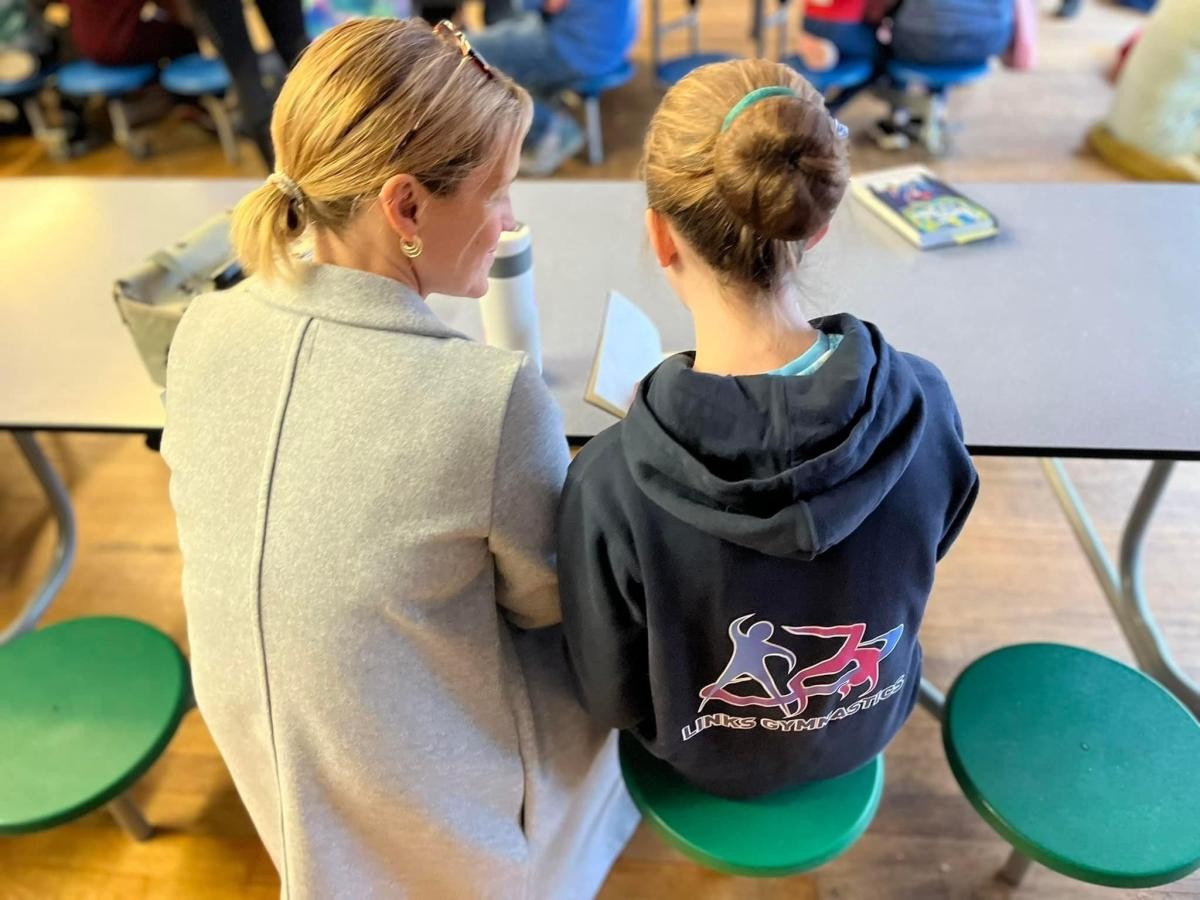
Paired reading and regular opportunities to practise support children in applying their phonics knowledge and building confidence. Reading Eggs provides additional reading practice in EYFS and Key Stage 1, while Read Write Inc. is also used to support pupils in lower Key Stage 2 who require further intervention.
Children's progress is monitored carefully so that additional teaching and support can be provided when needed. We aim to ensure that every child develops secure early reading skills and gains access to the enjoyment and opportunities that reading brings.
Whole-Class and Guided Reading
In Key Stage 1, reading is developed through a combination of phonics, whole-class reading comprehension and guided reading in groups.
In Key Stage 2, a whole-class reading approach exposes pupils to a broad range of text types, authors and genres. Lessons develop the key comprehension skills of vocabulary, inference, prediction, explanation, summarising and retrieval. These skills are taught both individually and in combination, enabling pupils to deepen their understanding and become increasingly confident readers.
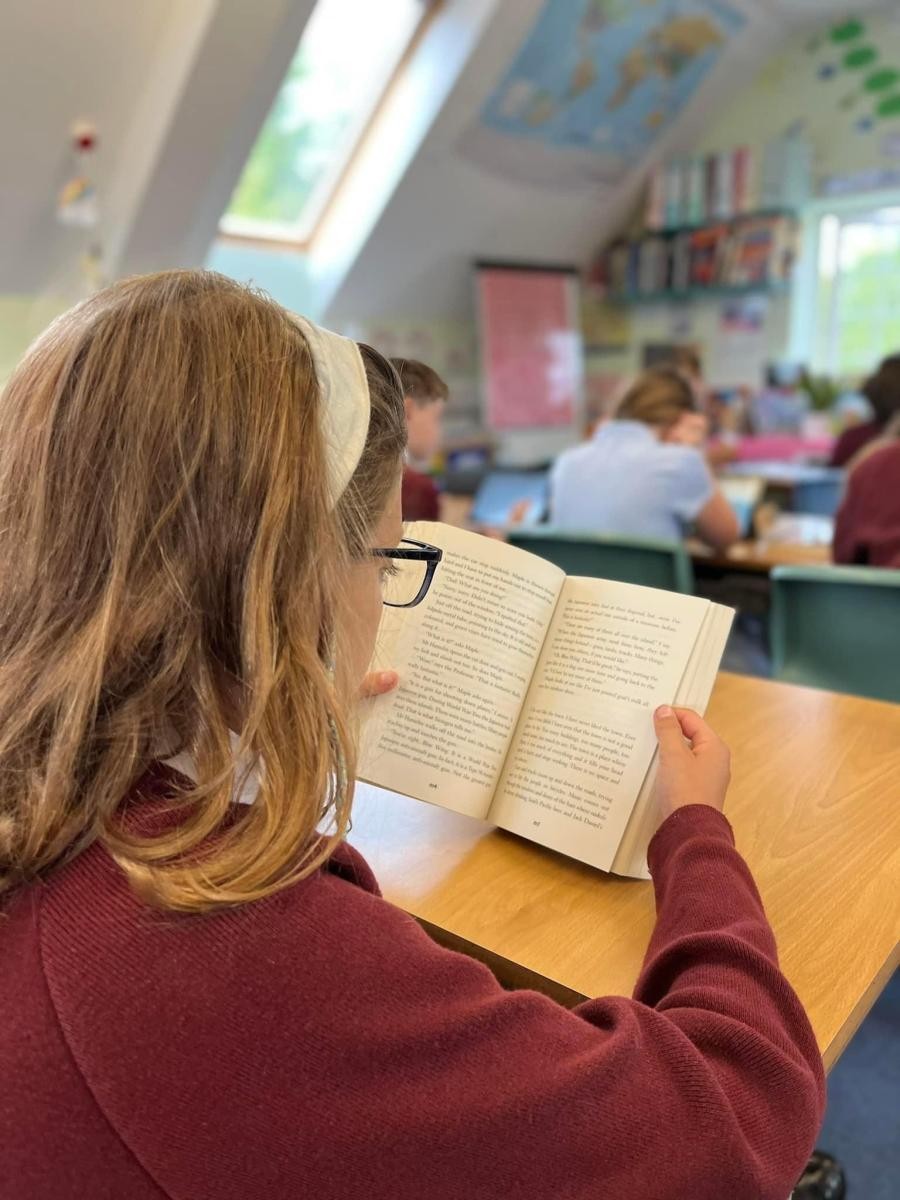
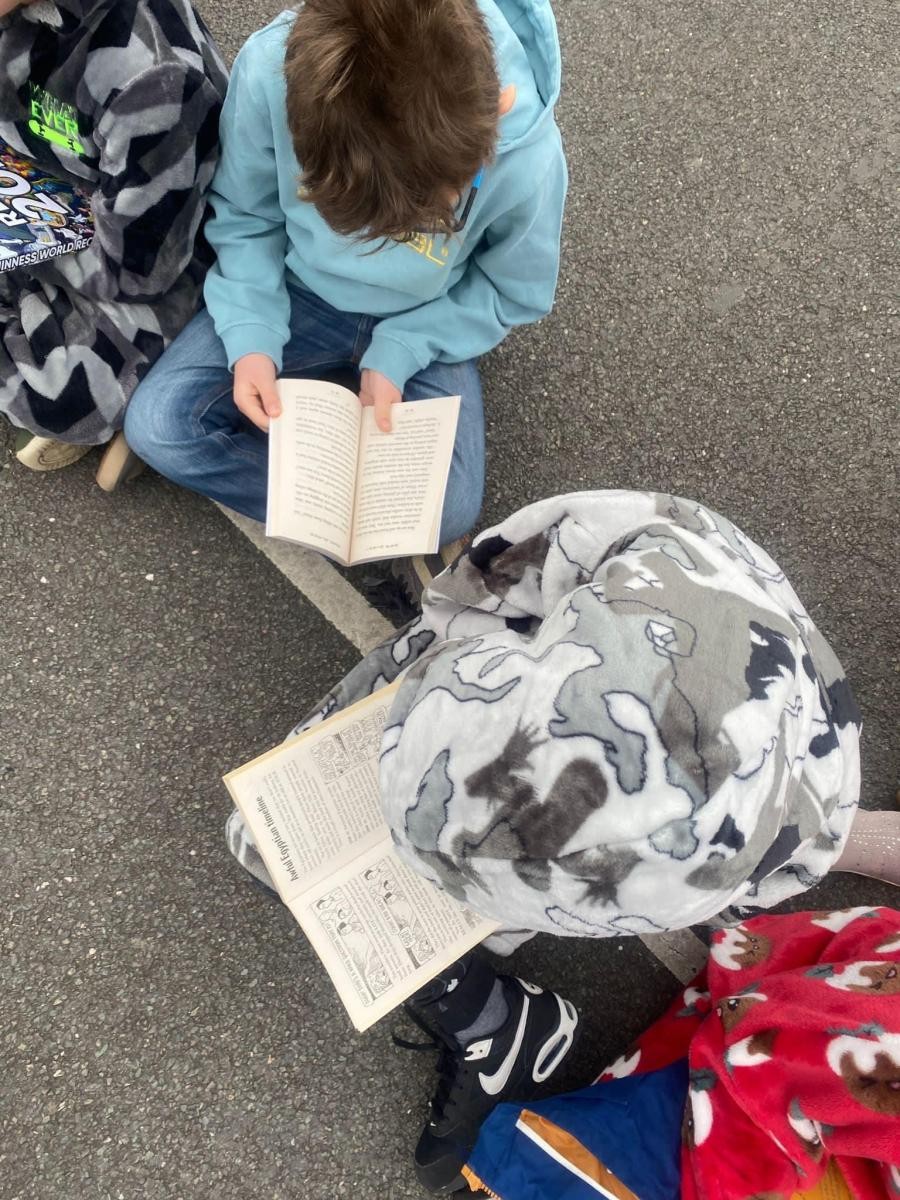
Teachers use approaches including reciprocal reading, echo reading, paired reading and independent reading to develop fluency, expression and comprehension.
Discussion is an important feature of our reading curriculum. Children are encouraged to share interpretations, justify their ideas using evidence from the text and listen respectfully to the contributions of others. Through these conversations, pupils learn that readers may respond to a text in different ways and that listening to others can deepen their own understanding.
Reading for Pleasure
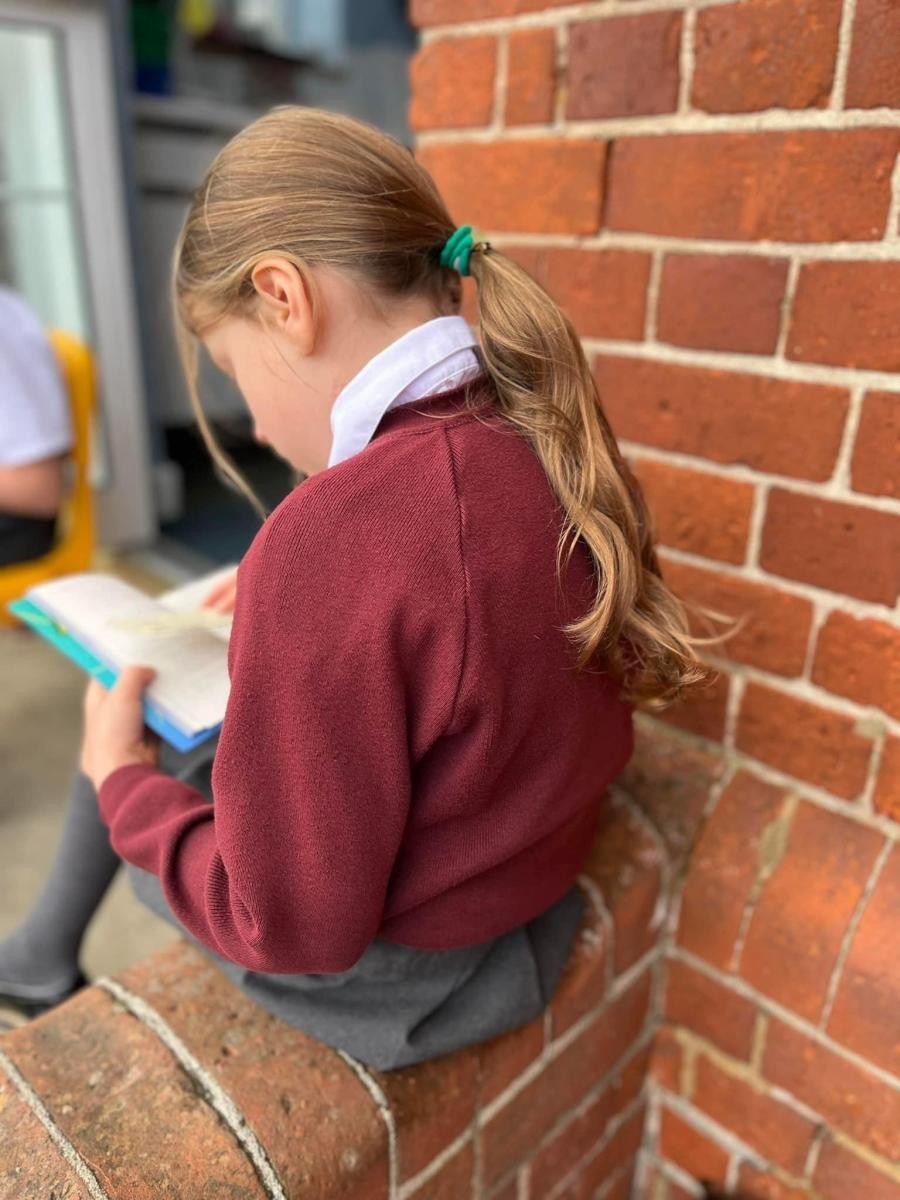
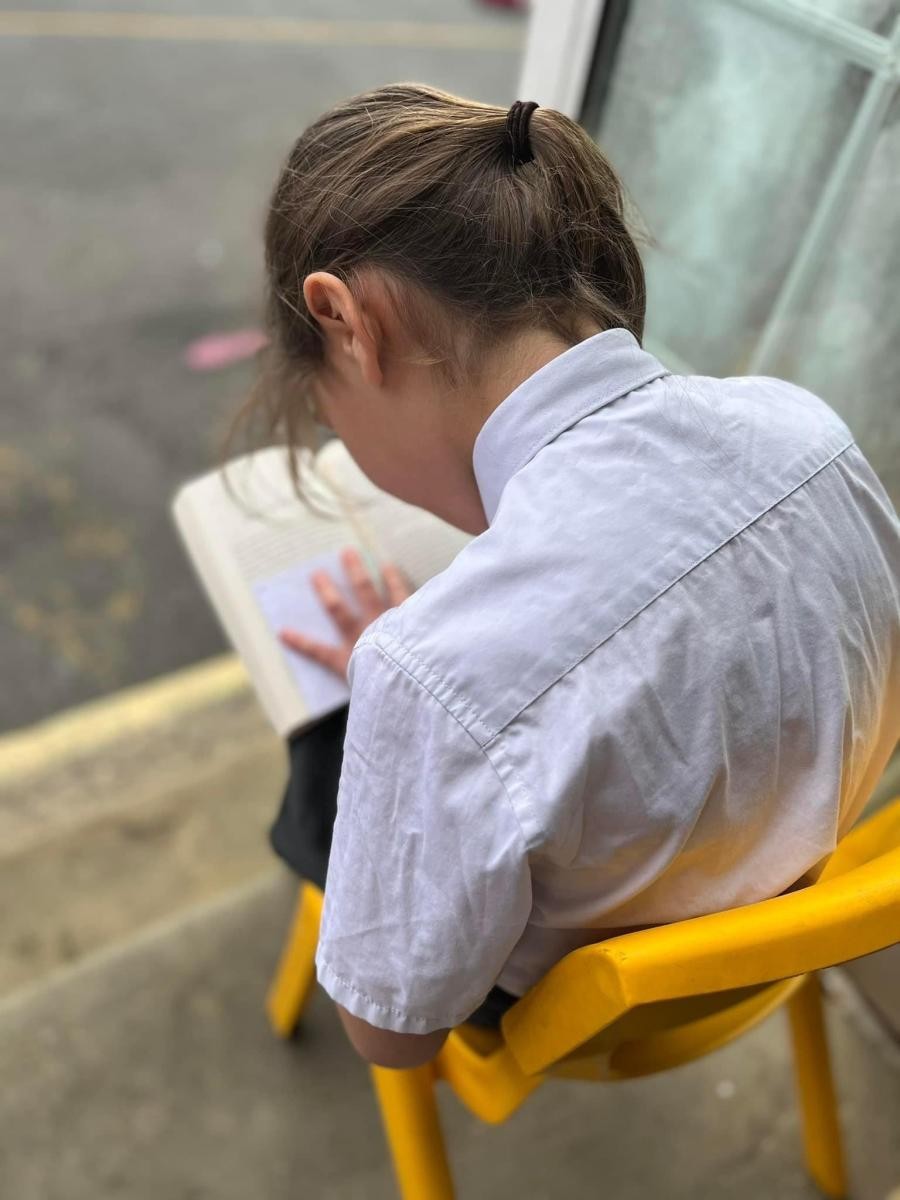
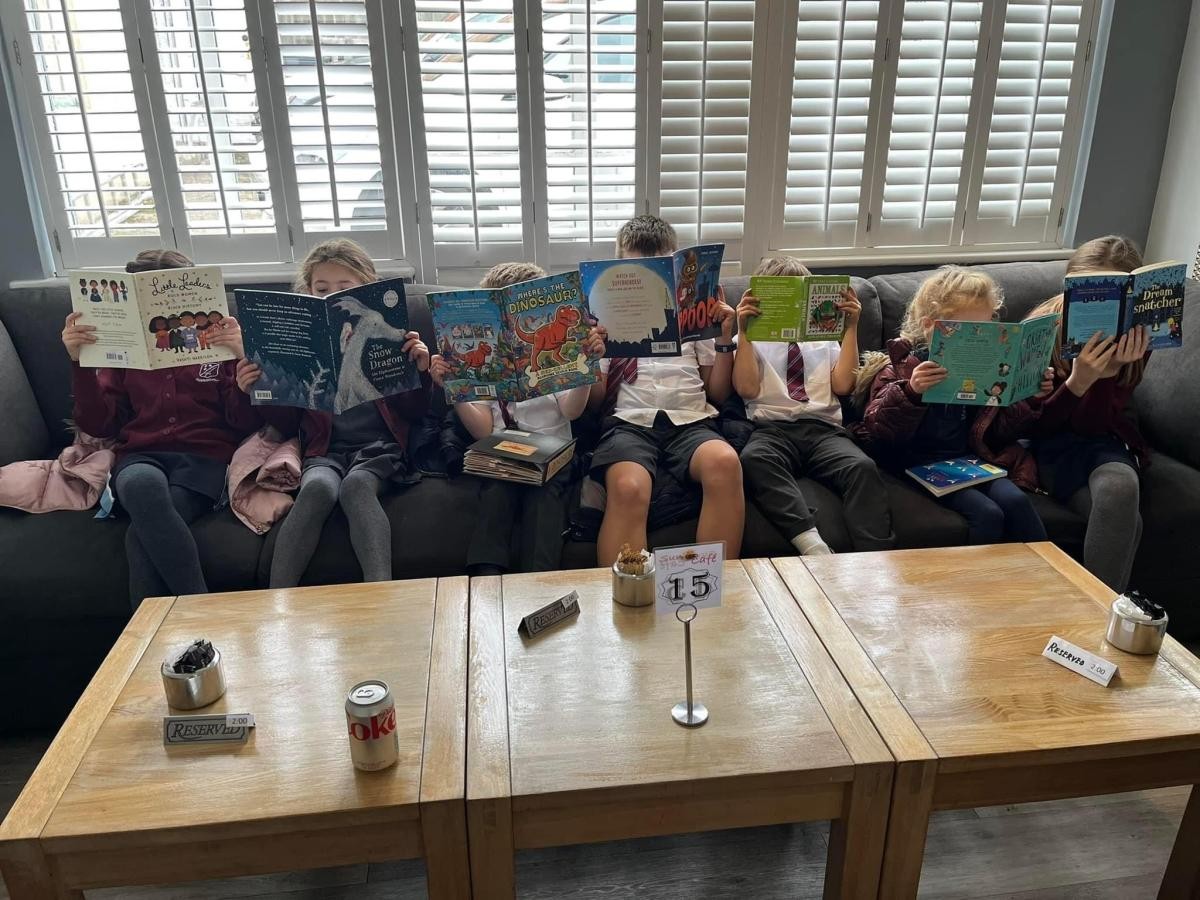
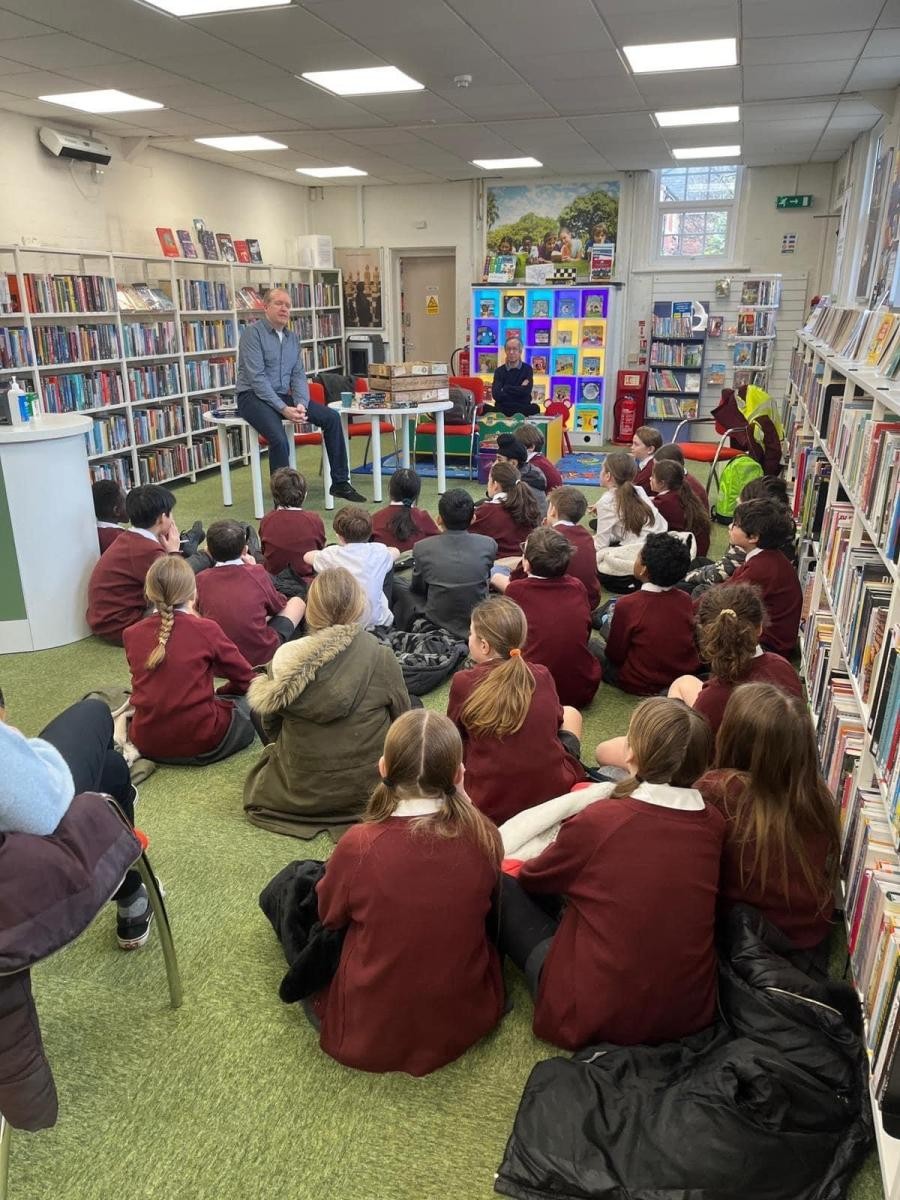
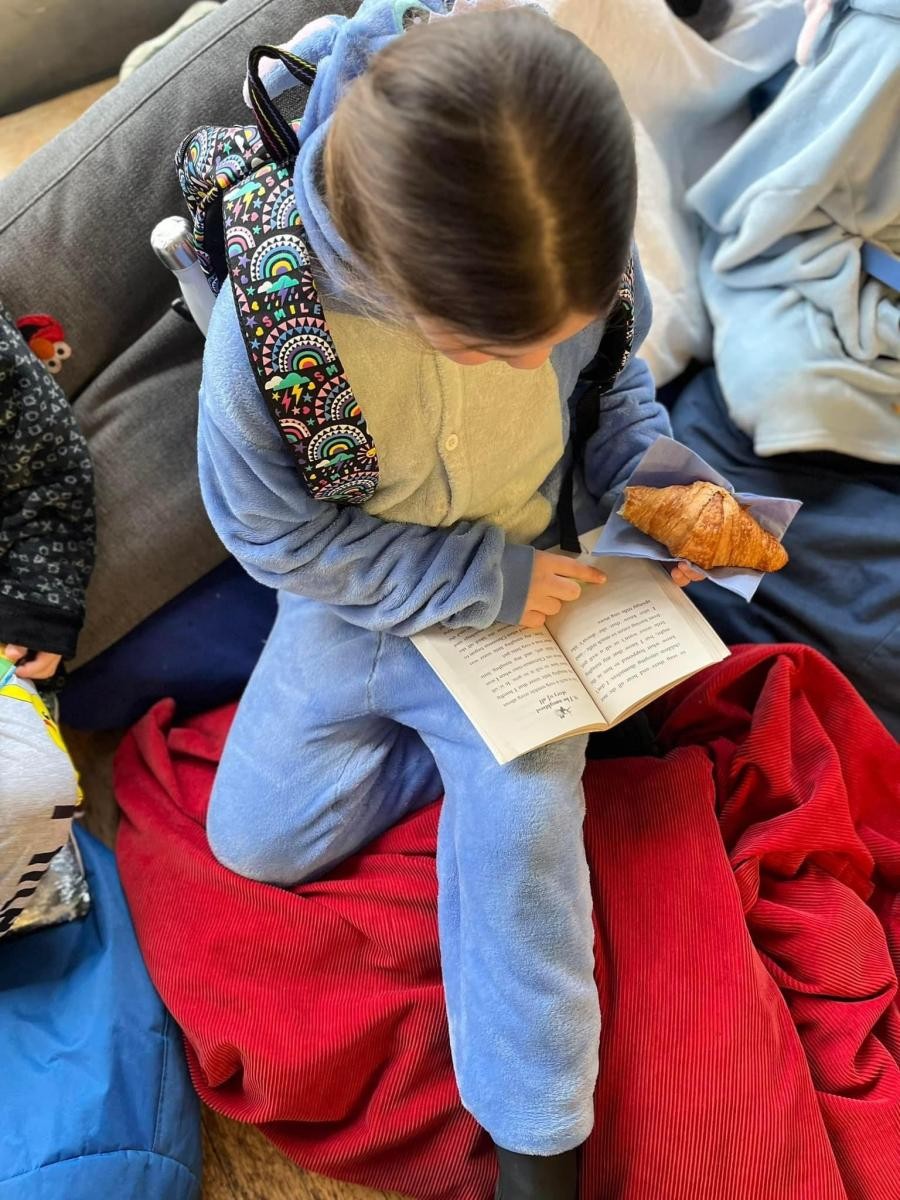
We want reading to be an enjoyable and valued part of every child's day. Children across the school are read aloud to by their teachers daily, providing opportunities to experience stories, poems and other texts that they may not yet be able to access independently.
Class teachers carefully select a diverse range of books, ensuring that children encounter different cultures, experiences, characters and perspectives. We want every child to feel represented in the books they read, while also having opportunities to learn about lives and experiences different from their own.
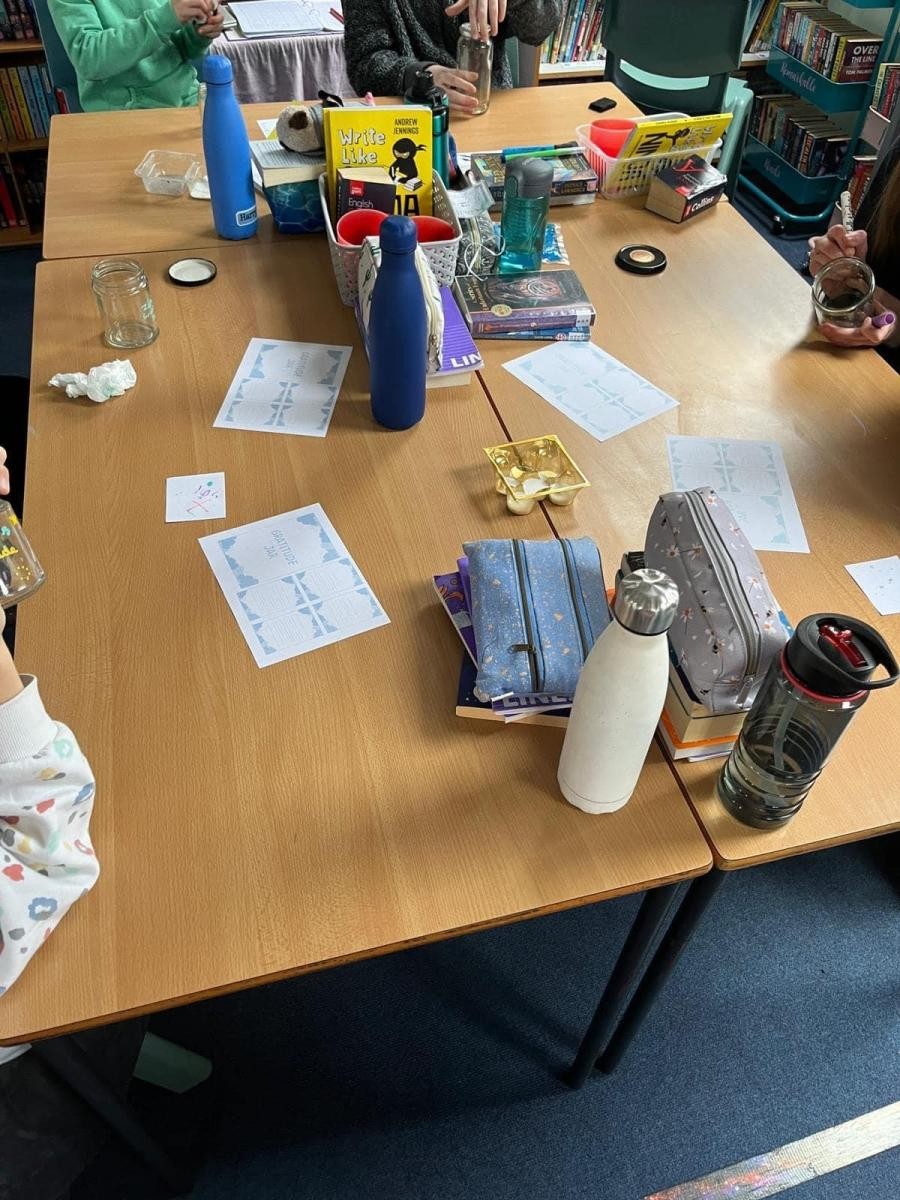
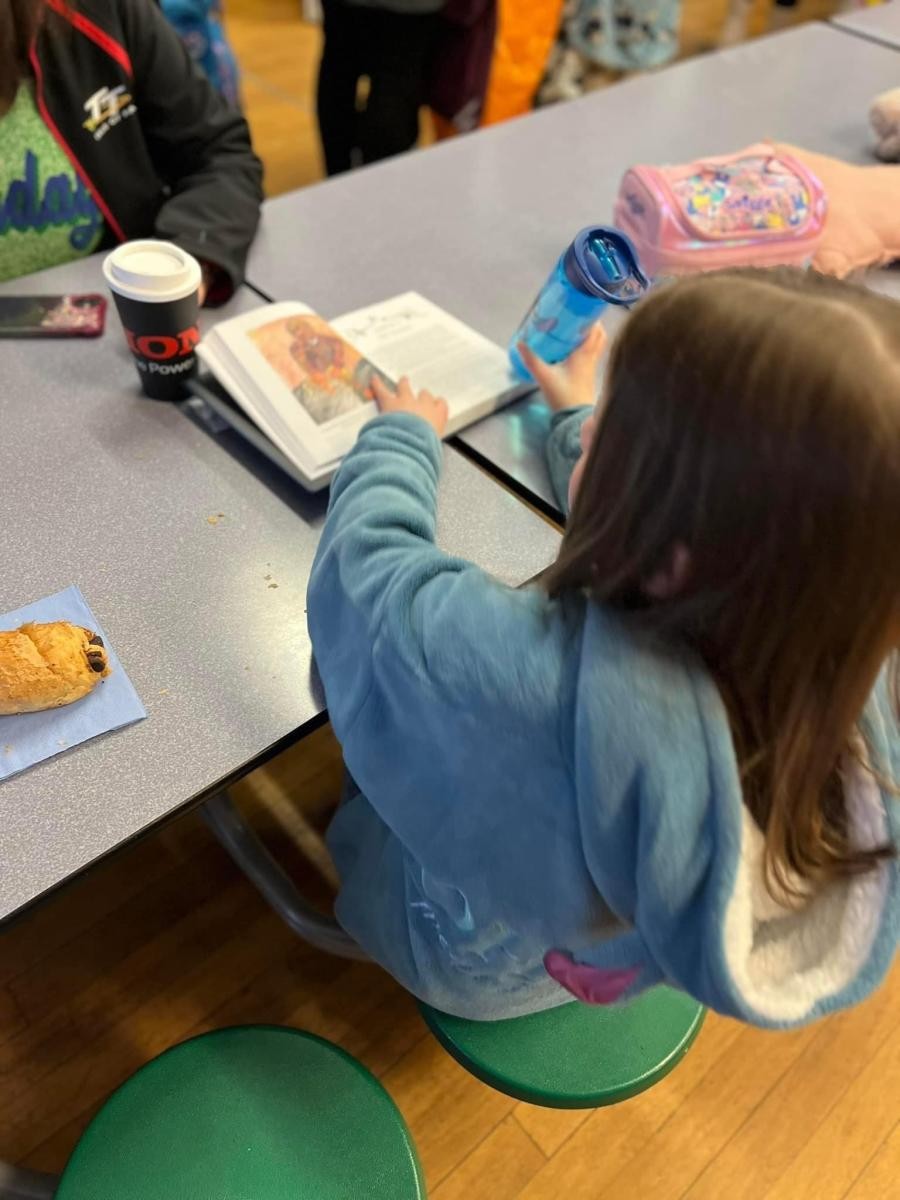
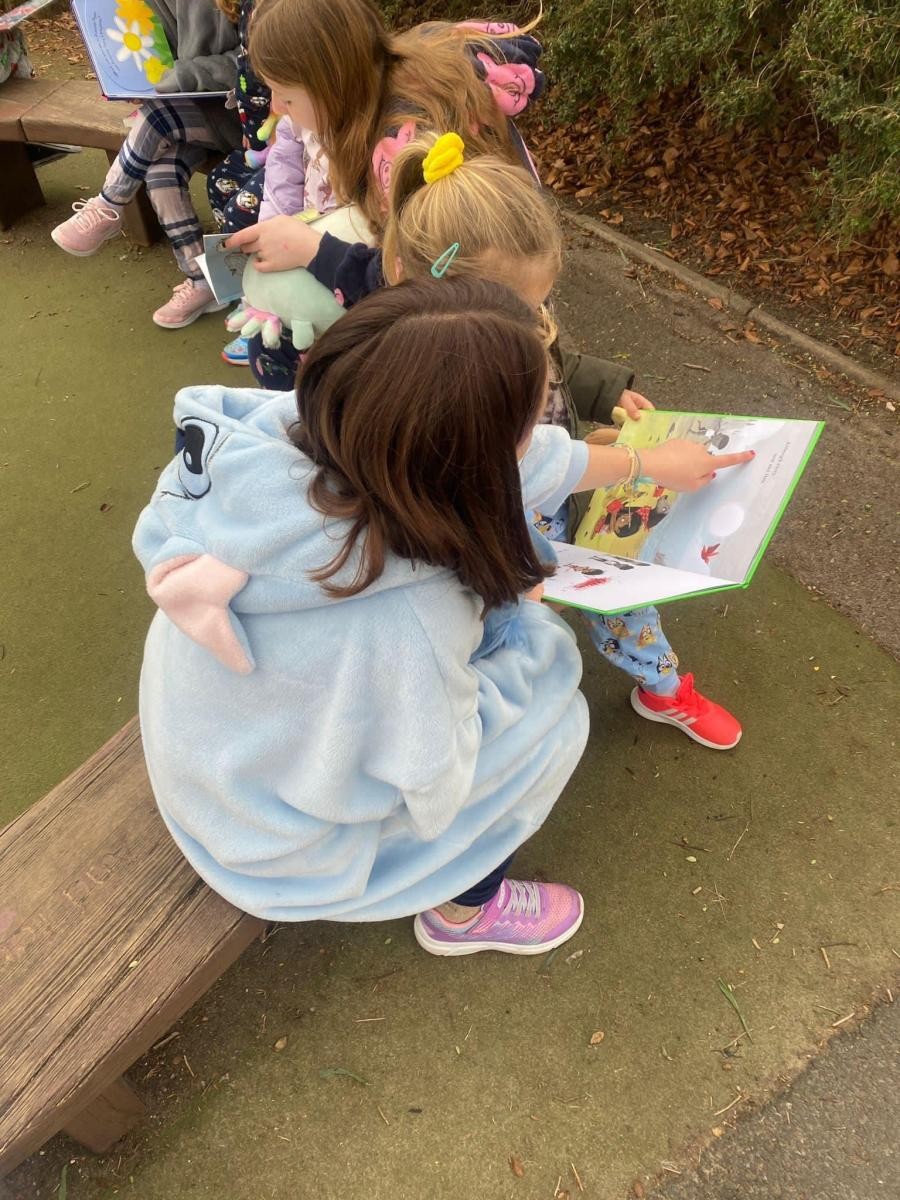
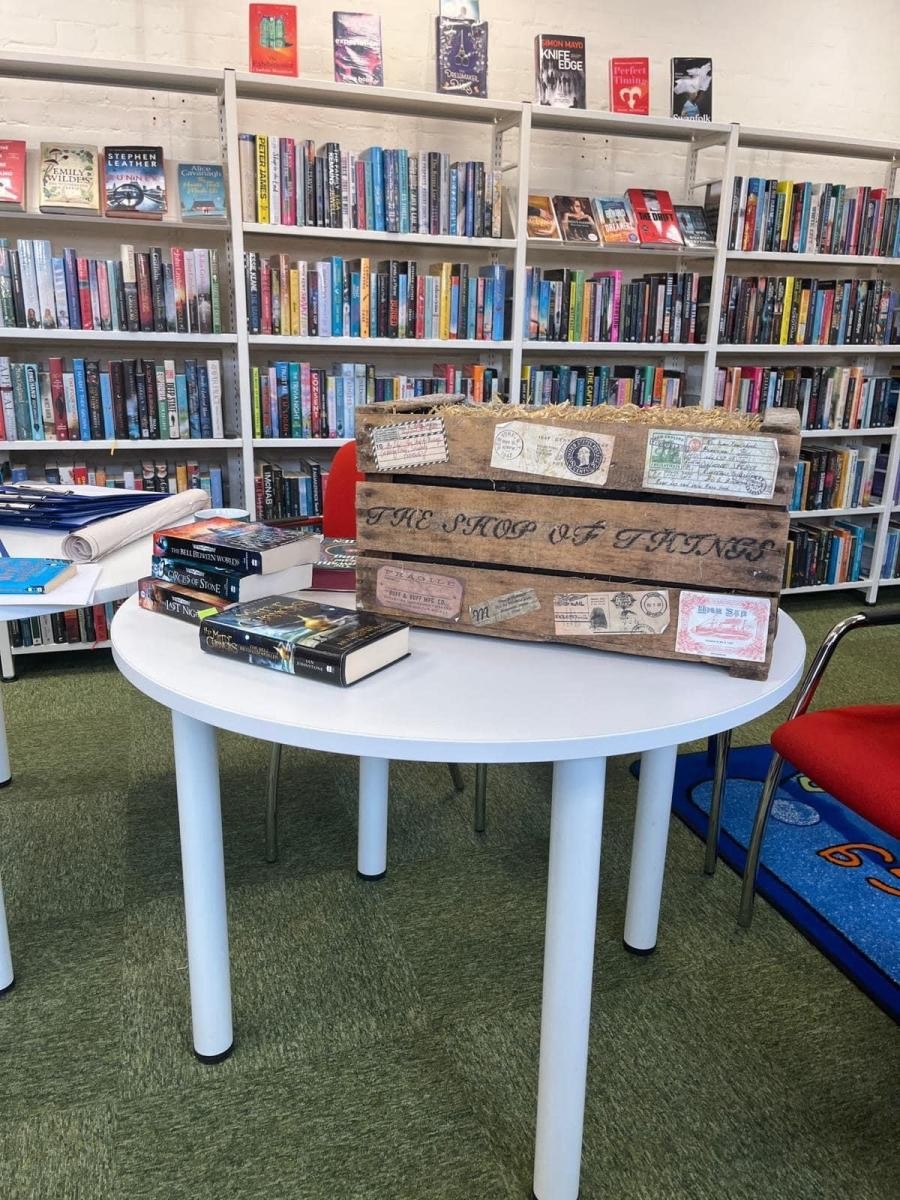
Every class has an inviting book corner with a wide selection of age-appropriate texts. Children are given regular time for independent reading and encouraged to discuss books they have enjoyed, recommend authors to their peers and explore new reading choices.
These opportunities help to create a reading community in which books are shared, stories bring people together and pupils develop a lifelong appreciation of reading.
Reading Across the Curriculum
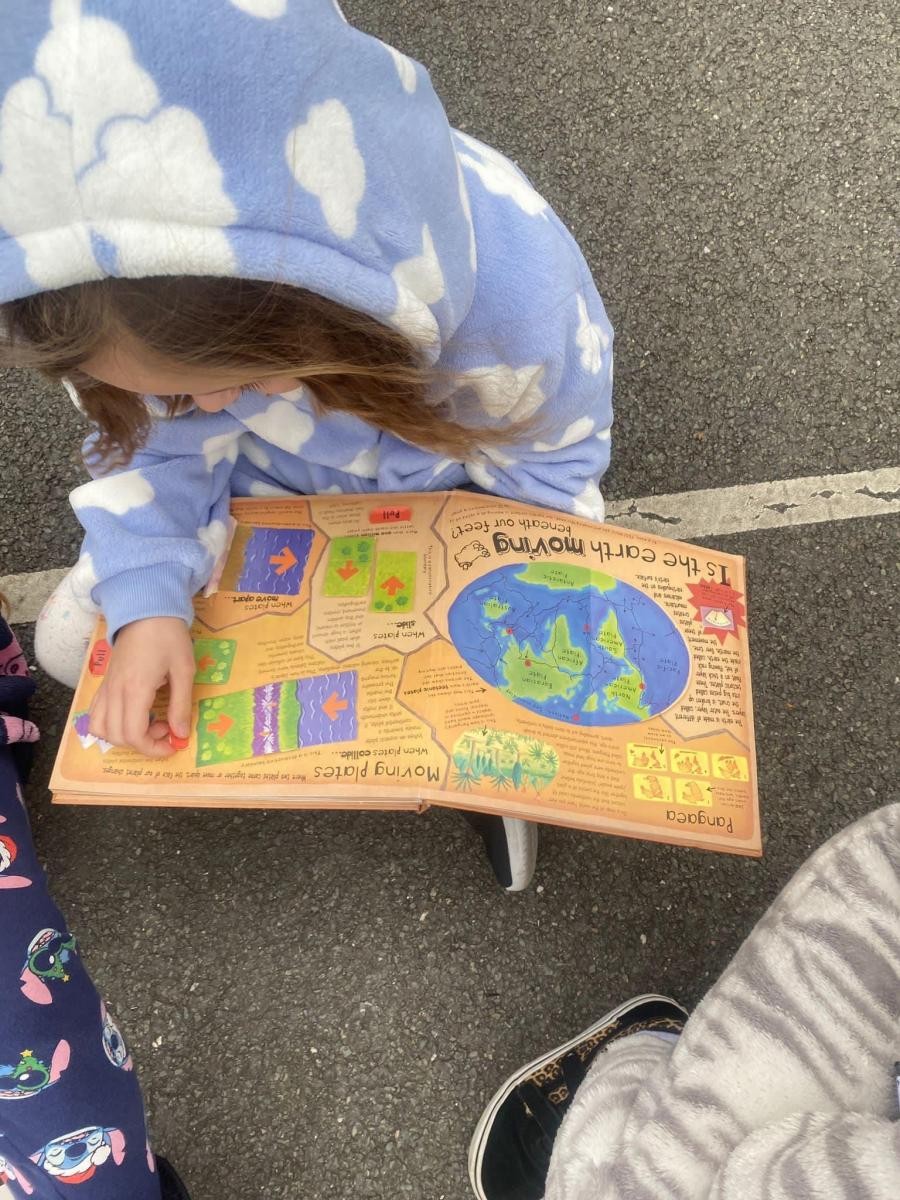
Reading is an essential part of learning in every subject. Across the curriculum, children encounter a range of texts that extend their knowledge, introduce subject-specific vocabulary and encourage them to explore new ideas.
In the younger years, teachers provide substantial support and modelling, with opportunities for independent reading increasing as pupils develop their skills. As children progress through the school, they are encouraged to use reading to research, investigate, question and deepen their understanding.
Through these experiences, pupils develop curiosity and recognise that reading is not only an enjoyable activity but also a powerful tool for learning and discovery.
Inclusion and Support
We believe that every child deserves the opportunity to become a confident and successful reader. Children who find reading difficult are identified through ongoing assessment and provided with appropriate support, which may include targeted interventions, additional phonics teaching or individual reading with an adult.
In Key Stage 1, and for pupils in Key Stage 2 who require additional fluency practice, regular opportunities are provided to read aloud to adults. In Key Stage 2, Accelerated Reader supports pupils in checking their comprehension and monitoring their independent reading.
We aim to ensure that all children are appropriately supported and challenged, enabling them to make progress from their individual starting points and experience success as readers.
Impact
By the end of their time at St Michael’s, we want pupils to be fluent, confident and independent readers who can understand, interpret and critically evaluate a wide range of texts. We also want them to have developed a genuine love of reading and an appreciation of the ways books can enrich their lives.
Pupils will be able to:
-
Read accurately, fluently and with appropriate expression, developing the confidence to tackle increasingly challenging texts.
-
Demonstrate secure comprehension skills, retrieving information, explaining vocabulary, making inferences, predicting outcomes and summarising key ideas.
-
Use evidence from texts to support their interpretations and explain their thinking.
-
Develop curiosity through reading widely, exploring unfamiliar ideas and extending their knowledge across the curriculum.
-
Listen to others' interpretations, discuss texts respectfully and recognise different experiences and perspectives.
-
Develop empathy and understanding through stories that explore relationships, emotions, cultures, beliefs and experiences.
-
Make independent reading choices, recommend books to others and read for pleasure as well as for learning.
-
Apply their reading skills across subjects, using texts to investigate, question and deepen their understanding of the world.
Ultimately, we want our pupils to understand that reading is much more than a skill to be mastered. It is a way to discover, imagine, question, empathise and connect with others. We want every child to leave St Michael’s with the confidence to access future learning, the curiosity to keep exploring and a love of reading that continues throughout their lives.
Assessment and Monitoring
We monitor the impact of our Reading curriculum through a range of assessment and monitoring approaches:
-
Accelerated Reader quizzes: pupils in Key Stage 2 complete quizzes on their independent reading books to assess comprehension and monitor their reading.
-
STAR assessments: pupils in Key Stage 2 complete assessments at the beginning of September and at the end of each term to monitor reading progress and identify next steps.
-
Reading comprehension assessments: end-of-year assessments help teachers evaluate pupils' comprehension and attainment against age-related expectations. Pupils in Years 2 and 6 also complete practice SATs papers in preparation for statutory assessments.
-
Ongoing formative assessment: questioning, discussion and observation during whole-class and guided reading enable teachers to identify misconceptions and adapt teaching.
-
Phonics assessment: Read Write Inc. assessments and the statutory phonics screening check help monitor progress in early reading and identify pupils requiring additional support.
-
Pupil and teacher voice: the Reading Lead gathers feedback to evaluate pupils' attitudes towards reading, engagement with books and the effectiveness of the curriculum.
Assessment information is used to inform teaching, identify pupils who need further support or challenge, and evaluate the effectiveness of our provision. This helps us ensure that every child is supported to make progress and develop the skills, confidence and enjoyment needed to flourish as a reader.