Religious Education Curriculum Overview
As a Church of England School, Religious Education has a special place in our curriculum. Our Christian values underpin everything we do at St. Michael's. As the centre of a wider partnership between families, the Church, governors and the local community, we work to prepare the children for their next steps in life.
Our Religious Education lessons follow the agreed R.E. syllabus of the Oxford Diocese. We have an exciting RE curriculum which is followed in every class throughout our school.
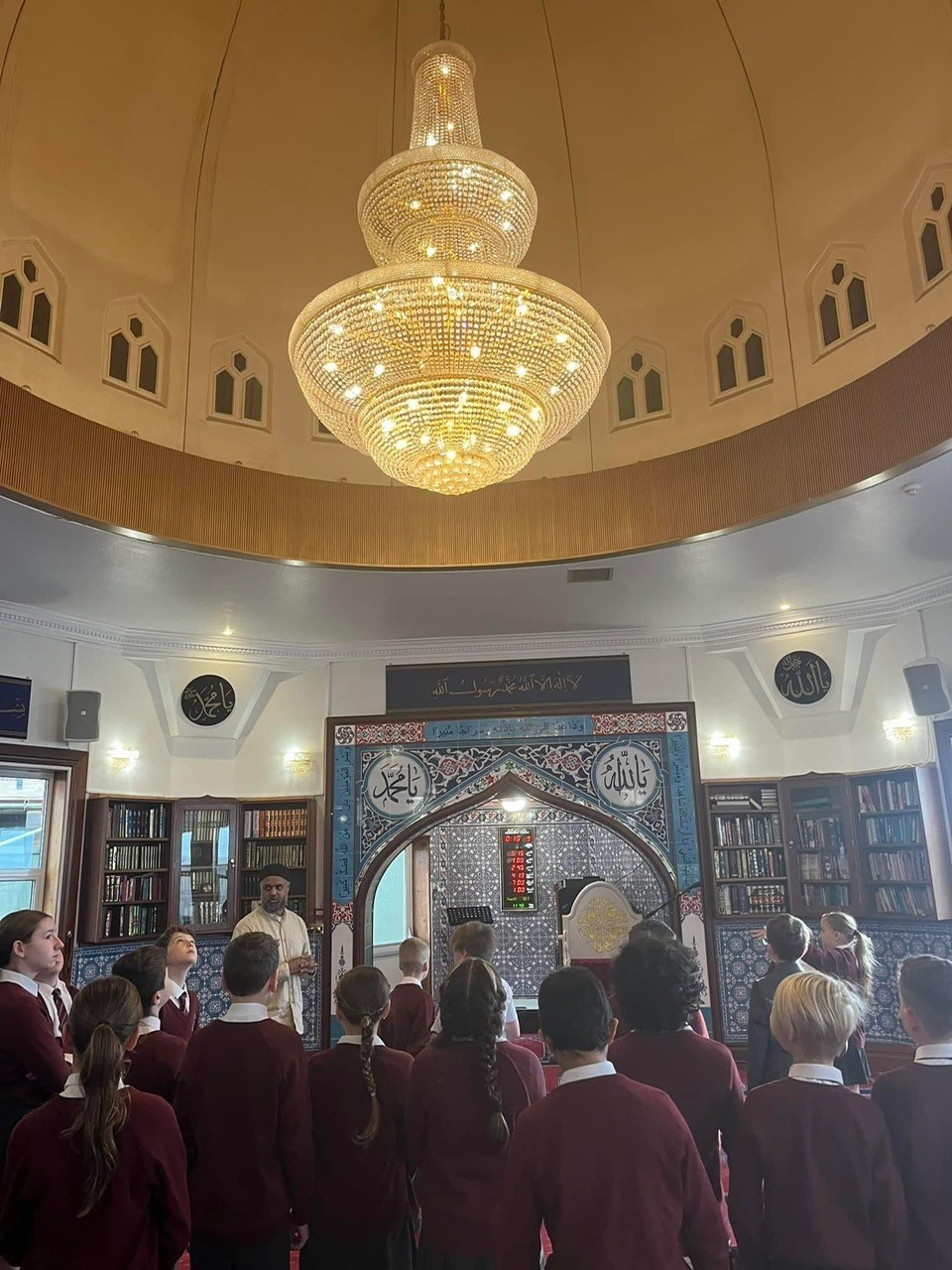
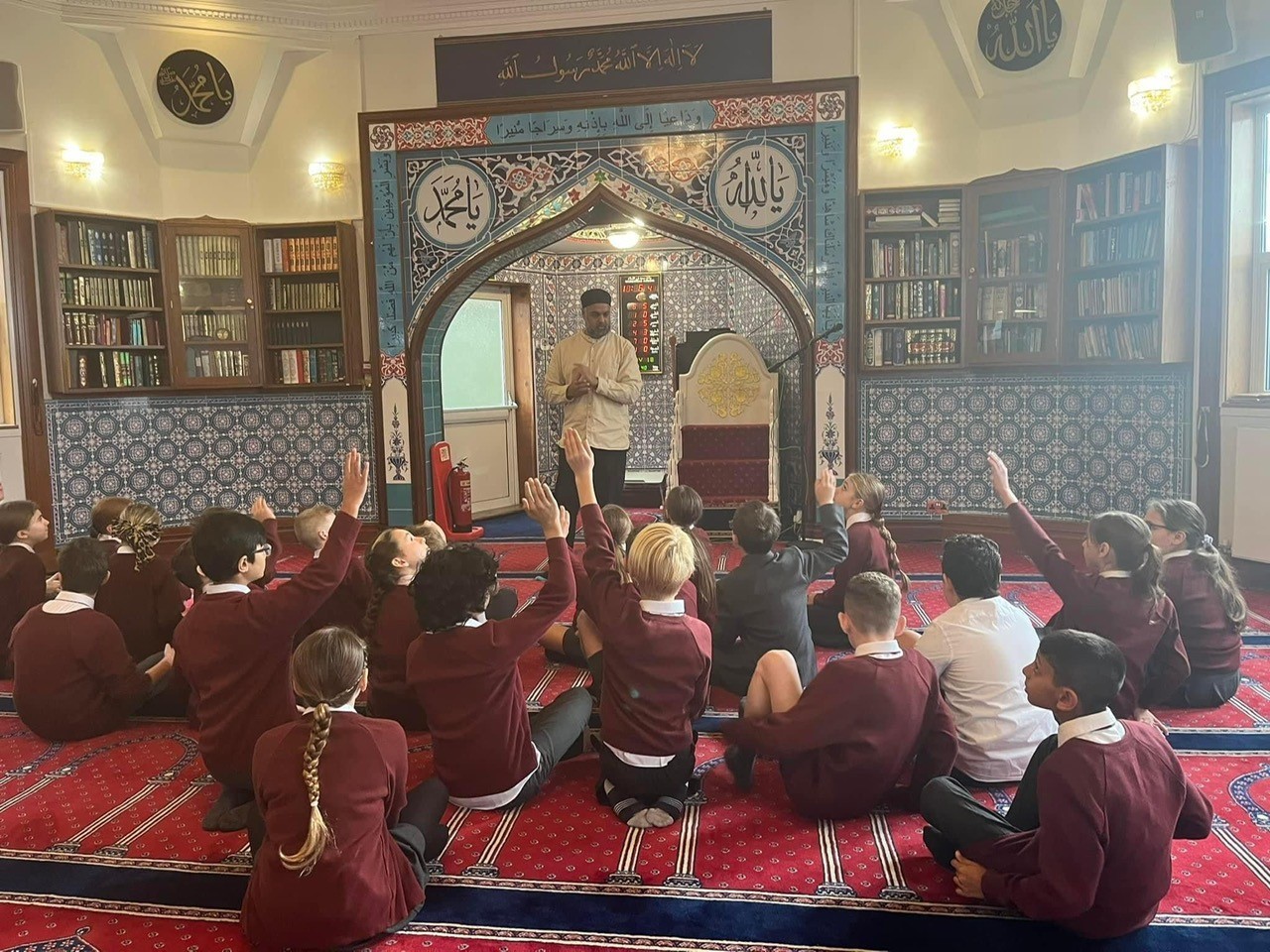
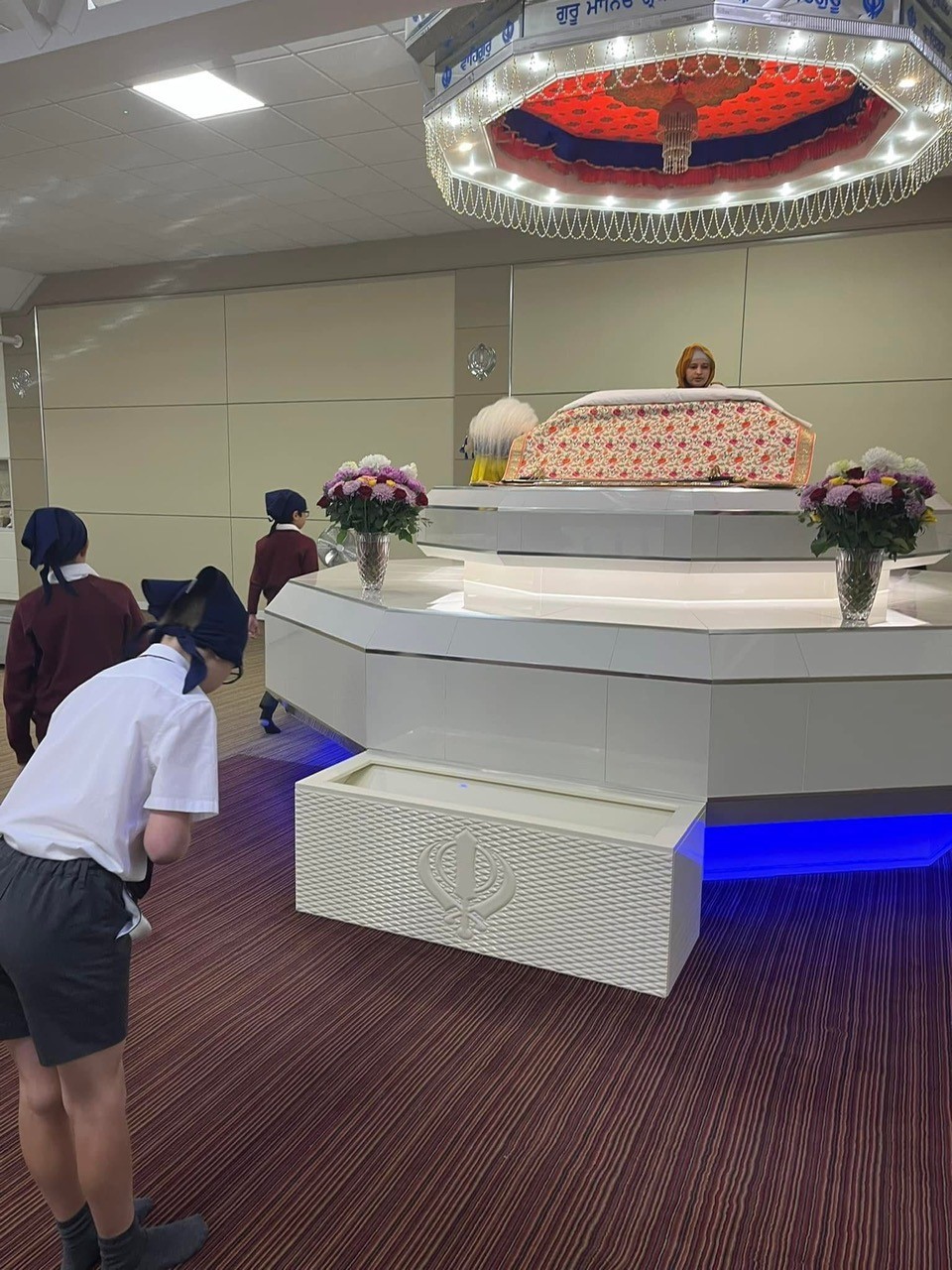
Our Religious Education work not only covers the teaching and stories of Christianity, but also investigates other religions and worldviews. Units always start with a "Big Question", encouraging children to share their own thoughts and ideas, no matter what those are, and to listen to the views of others. This follow our school values of curiosity and respecyt. They are always times of lively, open discussion and debate. As part of this Religious Education curriculum, as the children progress through school, we visit different places of worship, including those of different Christian denominations and those of other religions. As well as timetabled Religious Education lessons, there will always be other times in the curriculum where big questions of faith arise which allow the children to investigate their own and others opinions and beliefs.
-
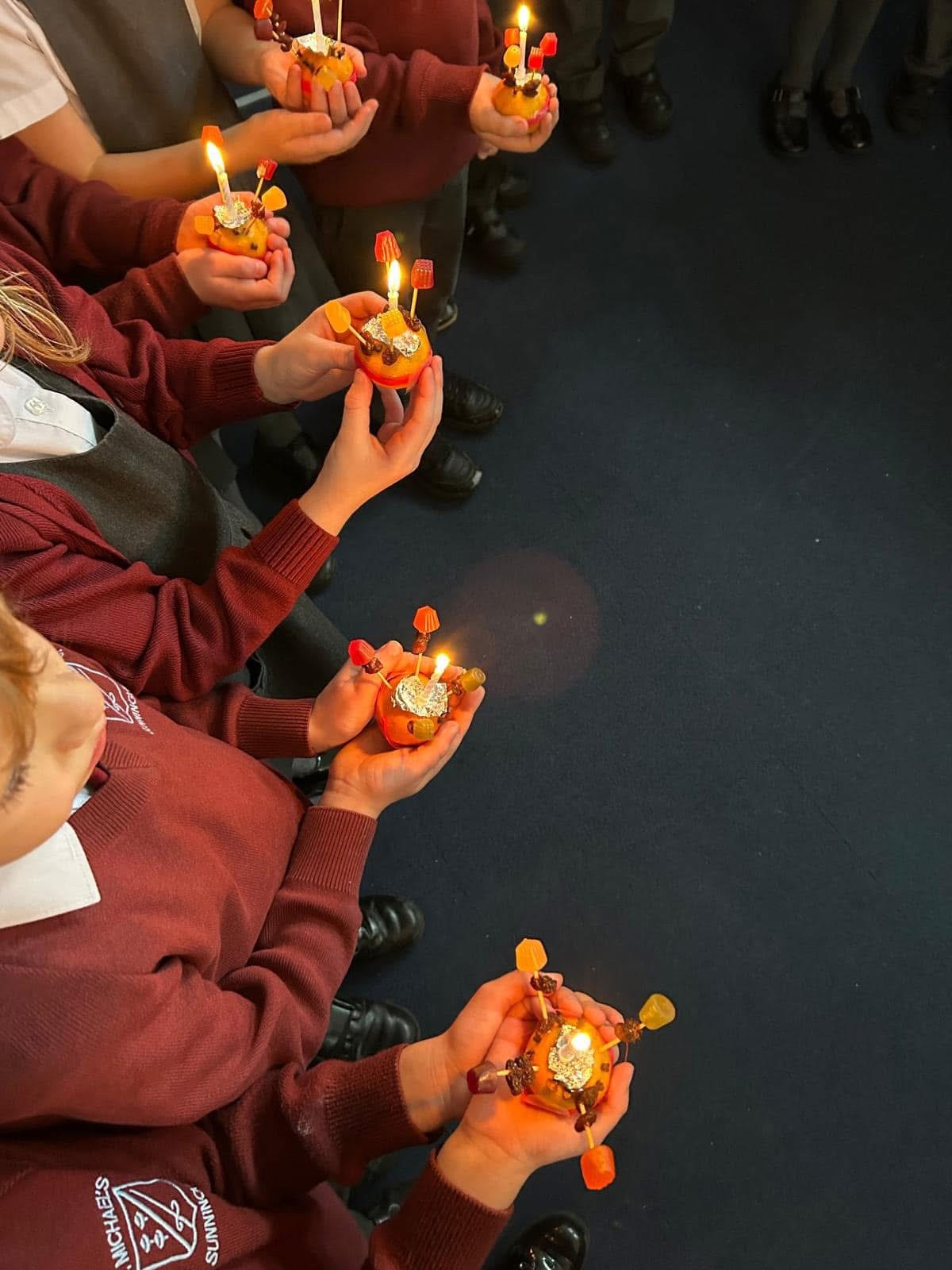
Year 1 Christingle
Intent
At St Michael’s, we ensure that our vision and values are embedded into our Religious Education curriculum. We strive to develop respect and tolerance in our children, preparing our pupils for life as citizens in modern Britain. Through our RE curriculum, we support pupils’ personal development, curiosity and understanding of the wider world. Alongside learning about a variety of religions and worldviews, our curriculum will develop curiosity in pupils and equip them for future learning about, as well as enabling them to make sense of and show respect to, the complex world of religious and non-religious worldviews. It takes pupils on a journey through a range of concepts driven by three core strands: beliefs & questions, community & identity and reality & truth. These strands will create connections between substantive and the disciplinary knowledge, and the units include opportunities for the development of personal knowledge.
Implementation
We have implemented the Diocesan scheme of work which aims to give pupils from EYFS to Year 6 a coherent picture of Christian worldviews and a range of other worldviews.
Beliefs and questions focuses on theology, looking at the core beliefs and diverse interpretations of text, symbols and teachings of the chosen religions and worldviews. Community and identity focuses on human and social science and using data and other sources to examine practices and human expressions of religious and non-religious beliefs. Reality and truth focuses on philosophy and ethics, looking at how people decide what is true and reliable drawing on the worldviews covered in the other units. It is in these units that pupils will have the opportunity to explore the wider concept of what a worldview is and how people reach these ideas.
Depth will be developed largely, but not exclusively, through the teaching of Christian worldviews. Within each year group the concepts explored in the worldviews units will link with the Christianity units as well as developing ideas from the previous year’s teaching.
A mixture of recording using individual RE books and class ‘floor books’ is used to record learning. Reception and Key Stage 1 only use floor books so the lessons can be more discussion-based.
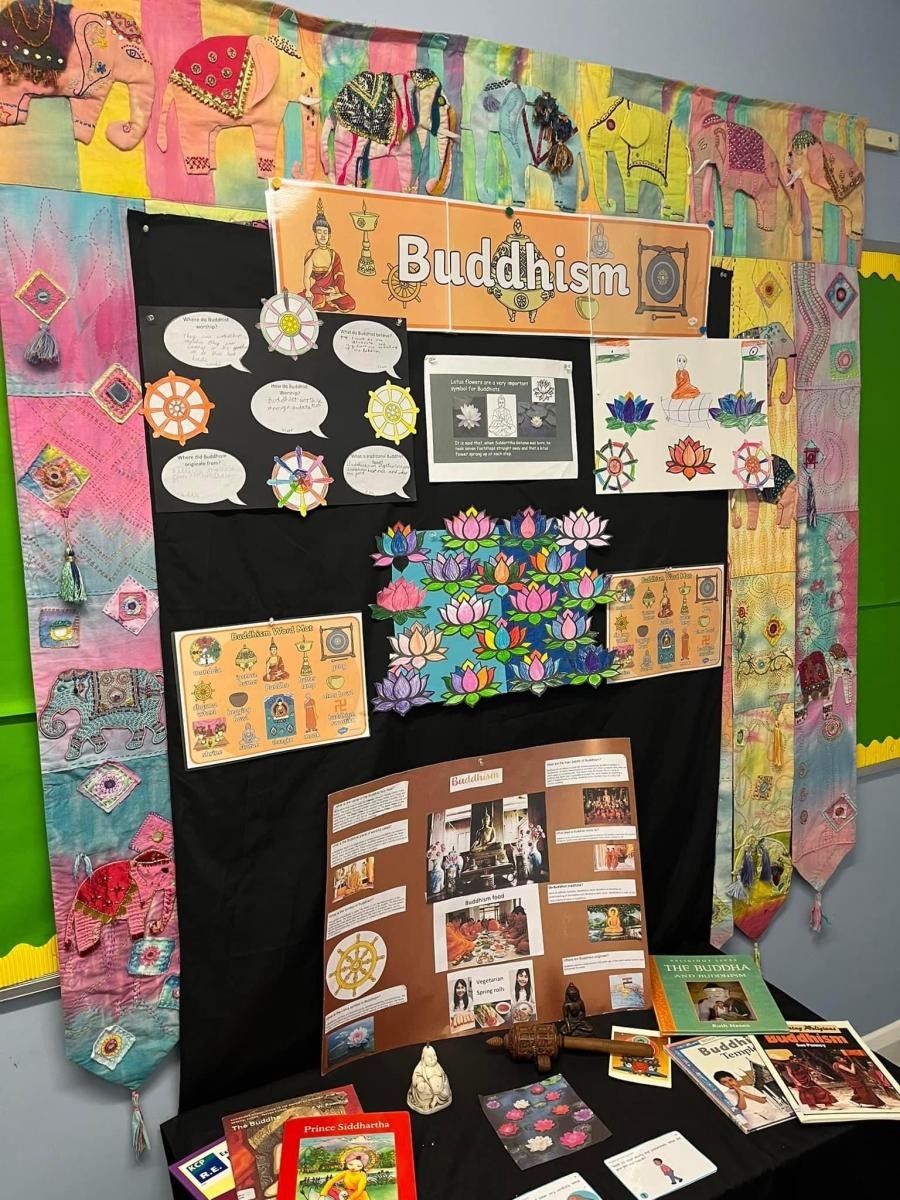
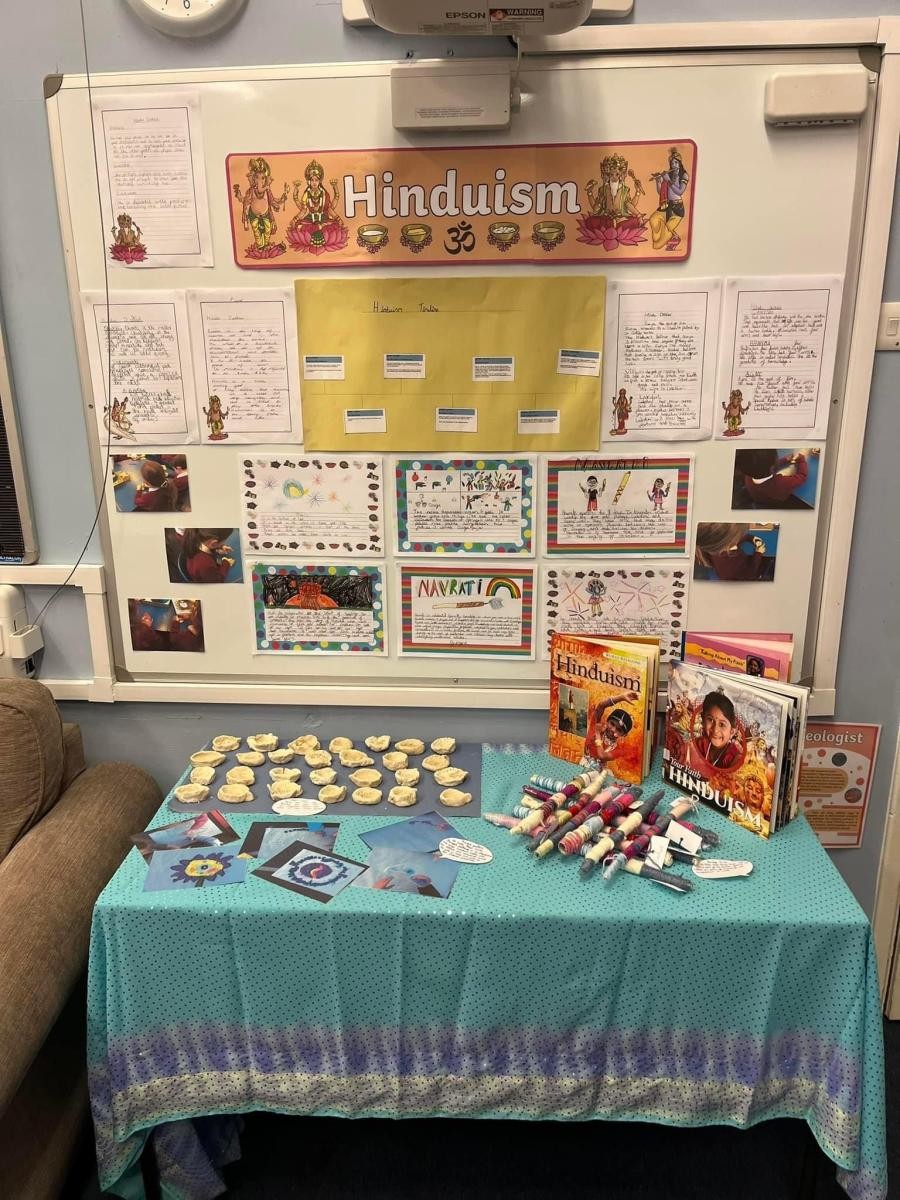
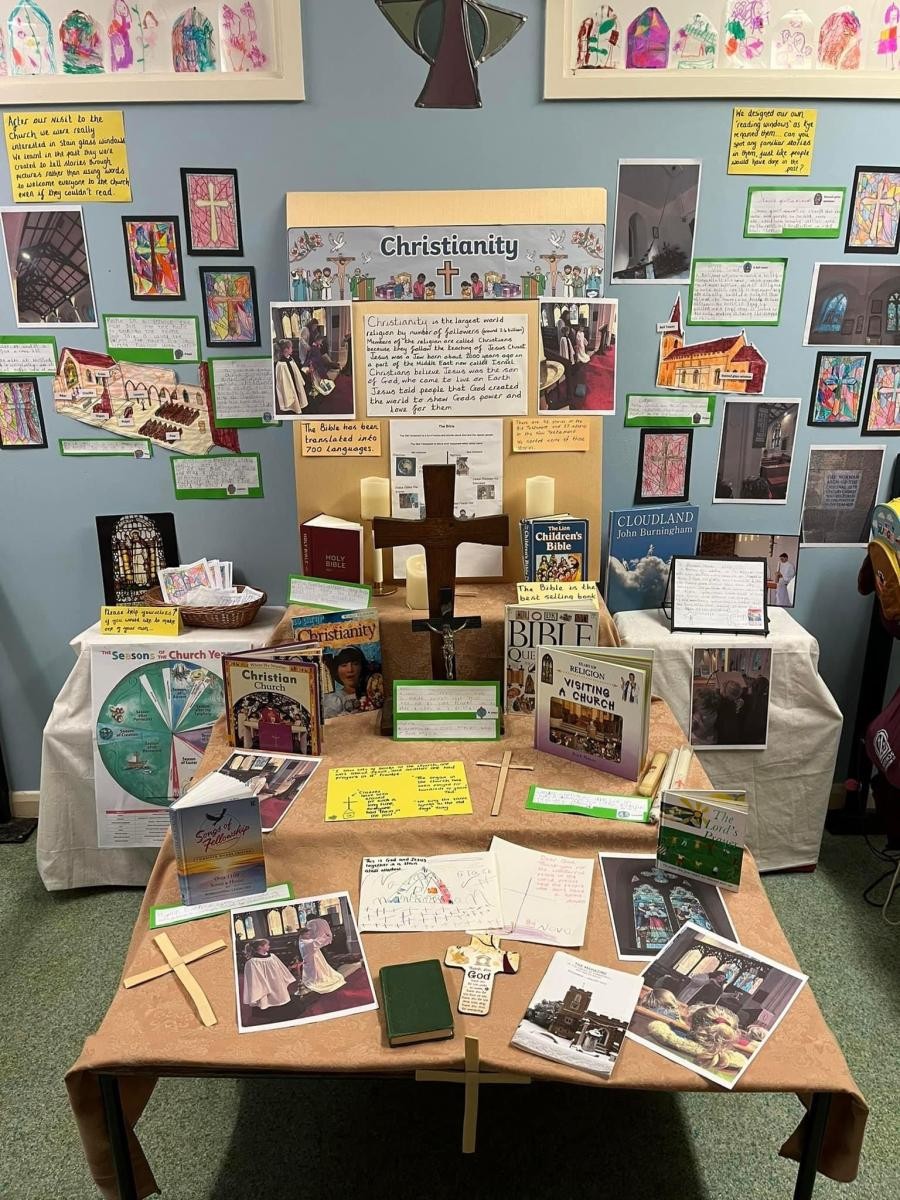
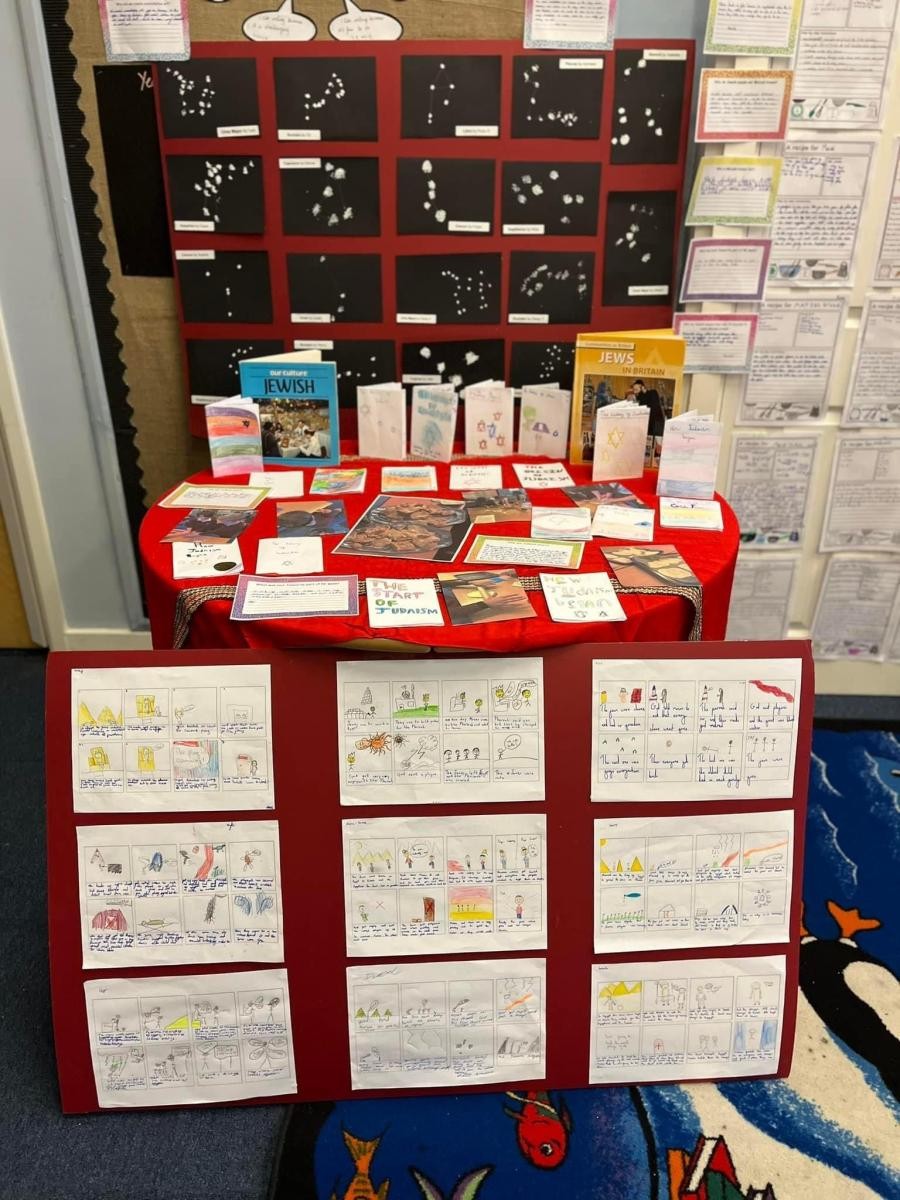
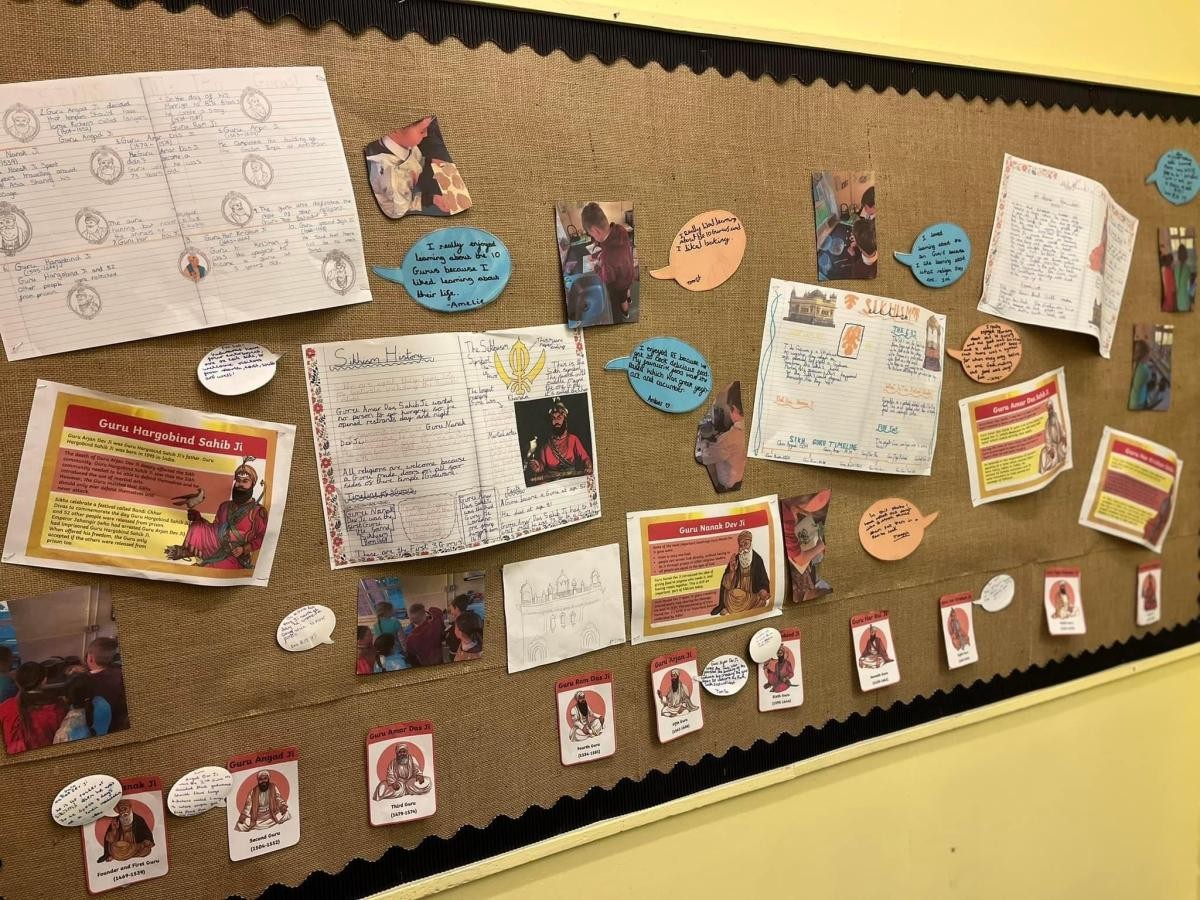
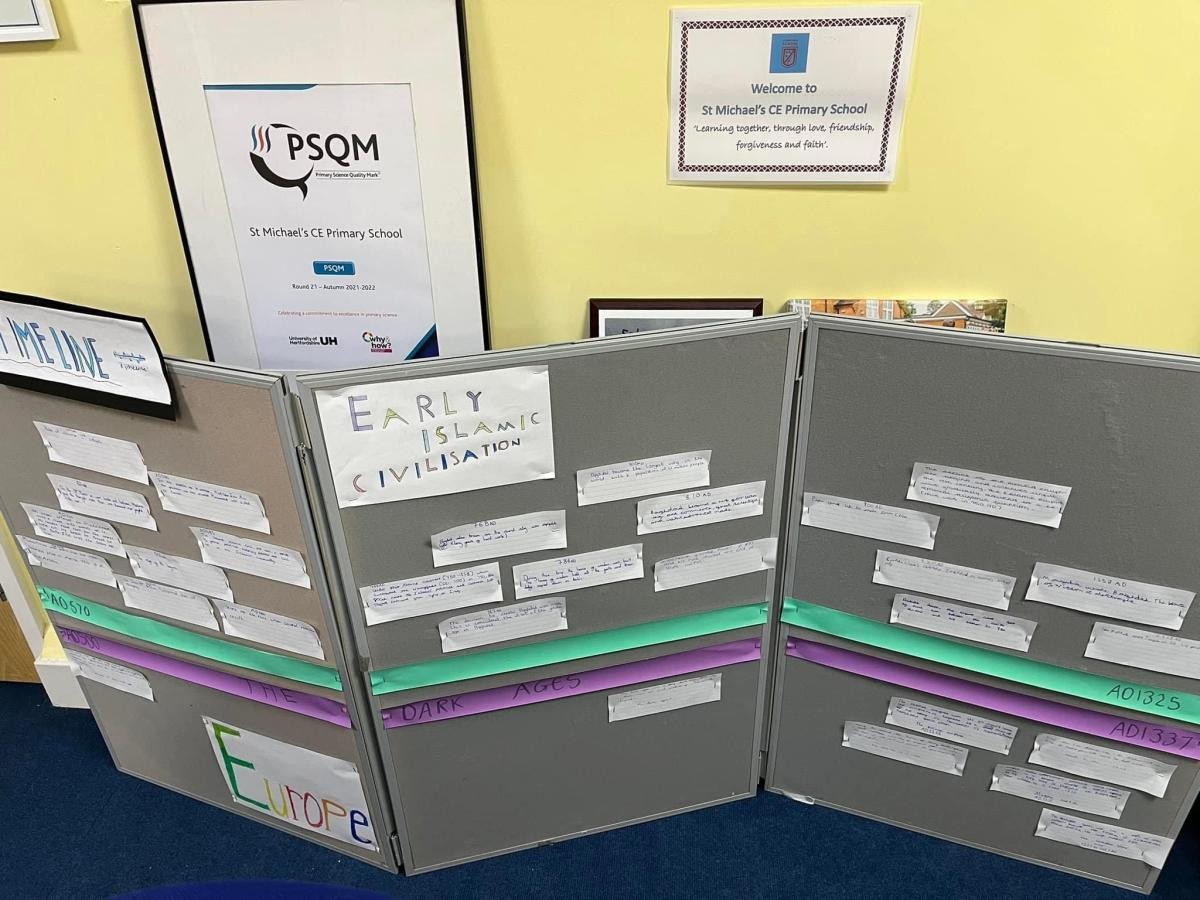
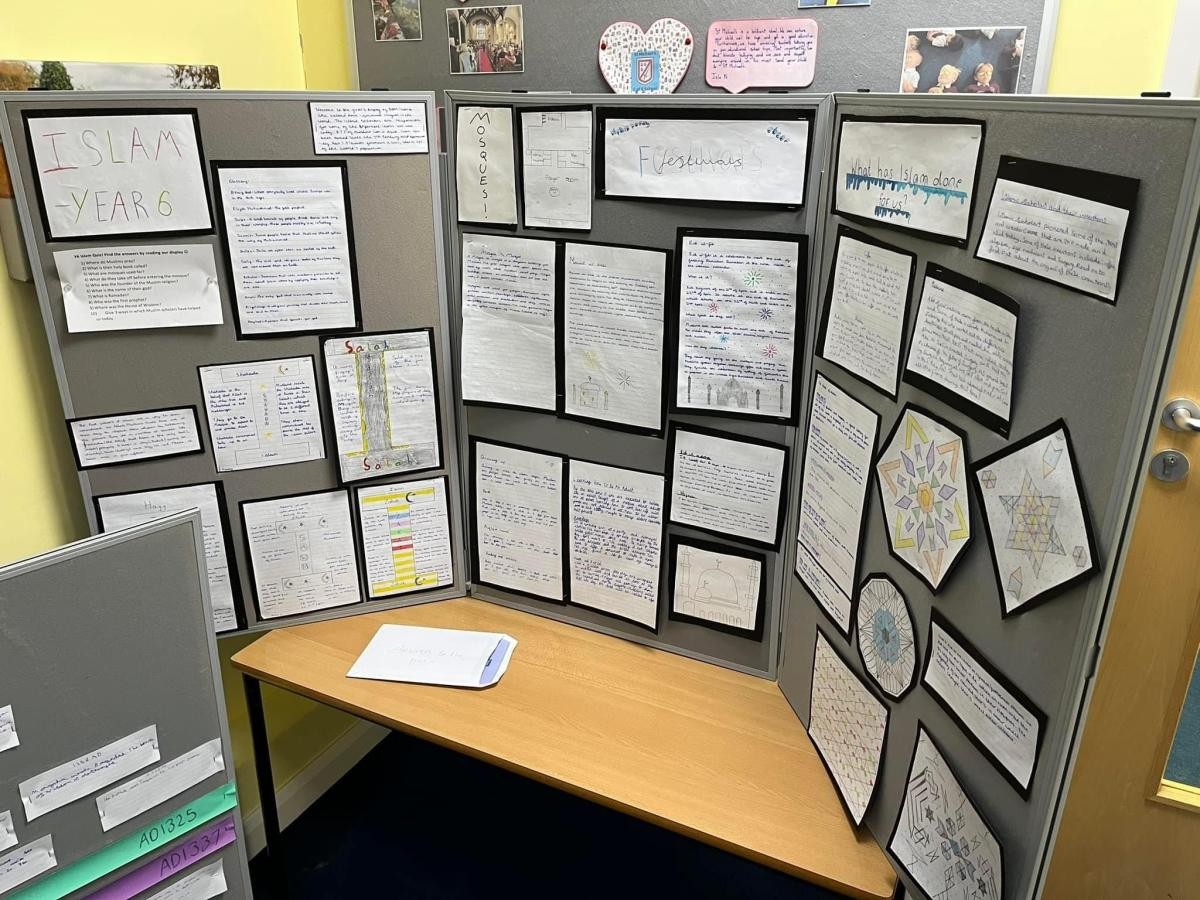
Through a whole school approach on ‘World Religion Day’ each year, children have the opportunity to explore a variety of other world views, not necessarily in their year group’s curriculum, and to present their learning in a variety of ways for other children to see.
Impact
Pupils will know more and be able to give an age-appropriate, coherent account of Christianity and the other worldviews covered. They will be able to ask questions, use a range of sources and skills to explore the traditions taught and have developed curiosity about how and why people think and act. They will know that there is more to learn about religious and non-religious worldviews and have developed the skills to research further. Pupils will understand that there are different ways of interpreting texts, and that different people reach different conclusions about what is true, good, right, and wrong.
The impact of our RE curriculum is monitored in the following ways:
· Subject leader monitoring enables the subject lead to assess how RE is being taught; this will include learning walks, pupil & teacher voice and book looks.
· Pupils will record some of their responses to learning in books, and this is monitored by the subject lead. However, as RE is largely discussion-based (especially in KS1), records of whole class discussions will be kept by the teacher in floor books or on the boards.
· At the end of each unit, a short (age-appropriate) assessment task, which allows the children to show what they have learnt, will be carried out.
· At the end of a unit of work, children will complete a self-reflection to share what they have learnt, how they have been successful and what they need to improve upon.
-
-
-
-
-
-
-
-
-
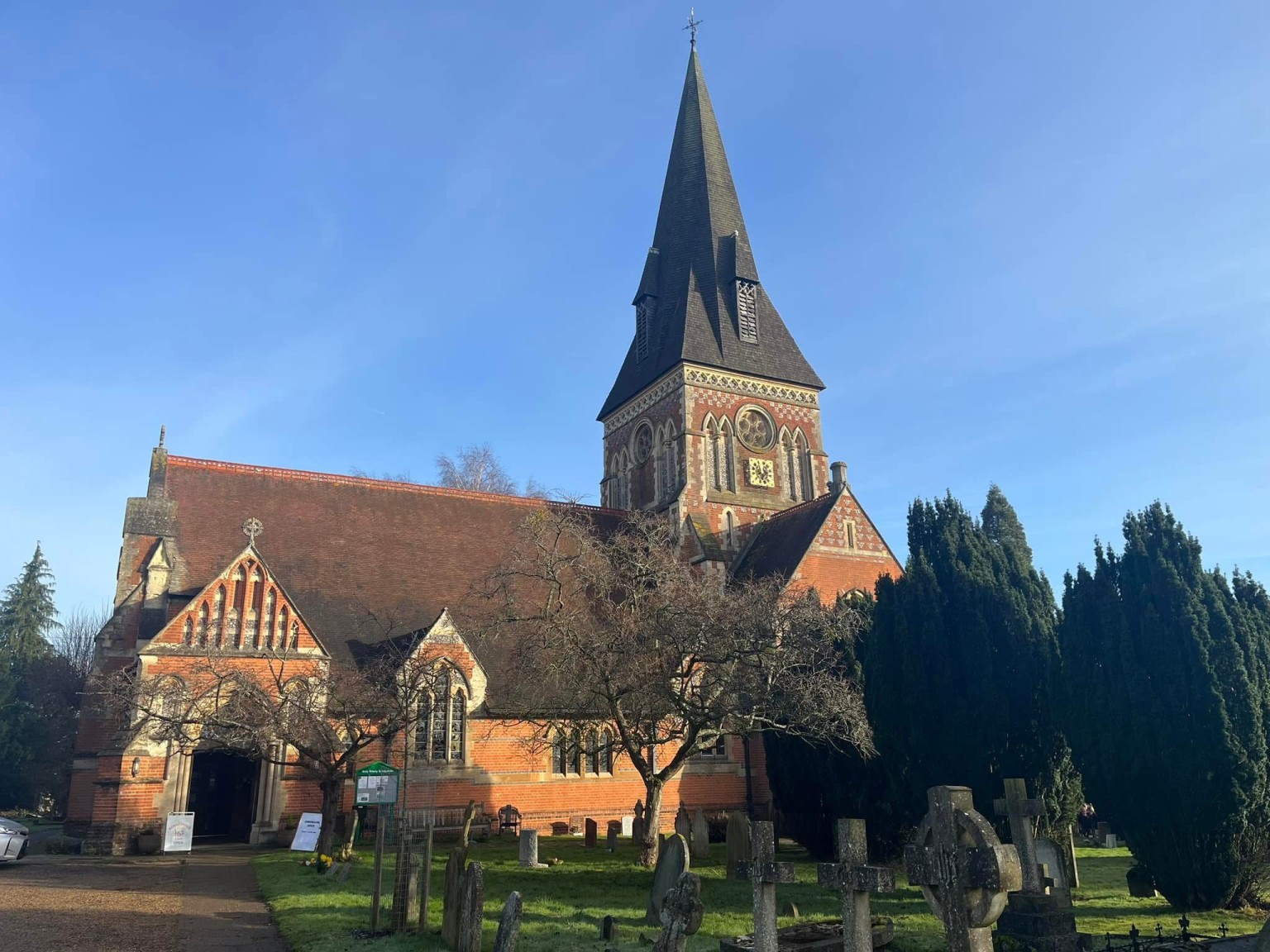
Holy Trinity church visit with Year 1
-
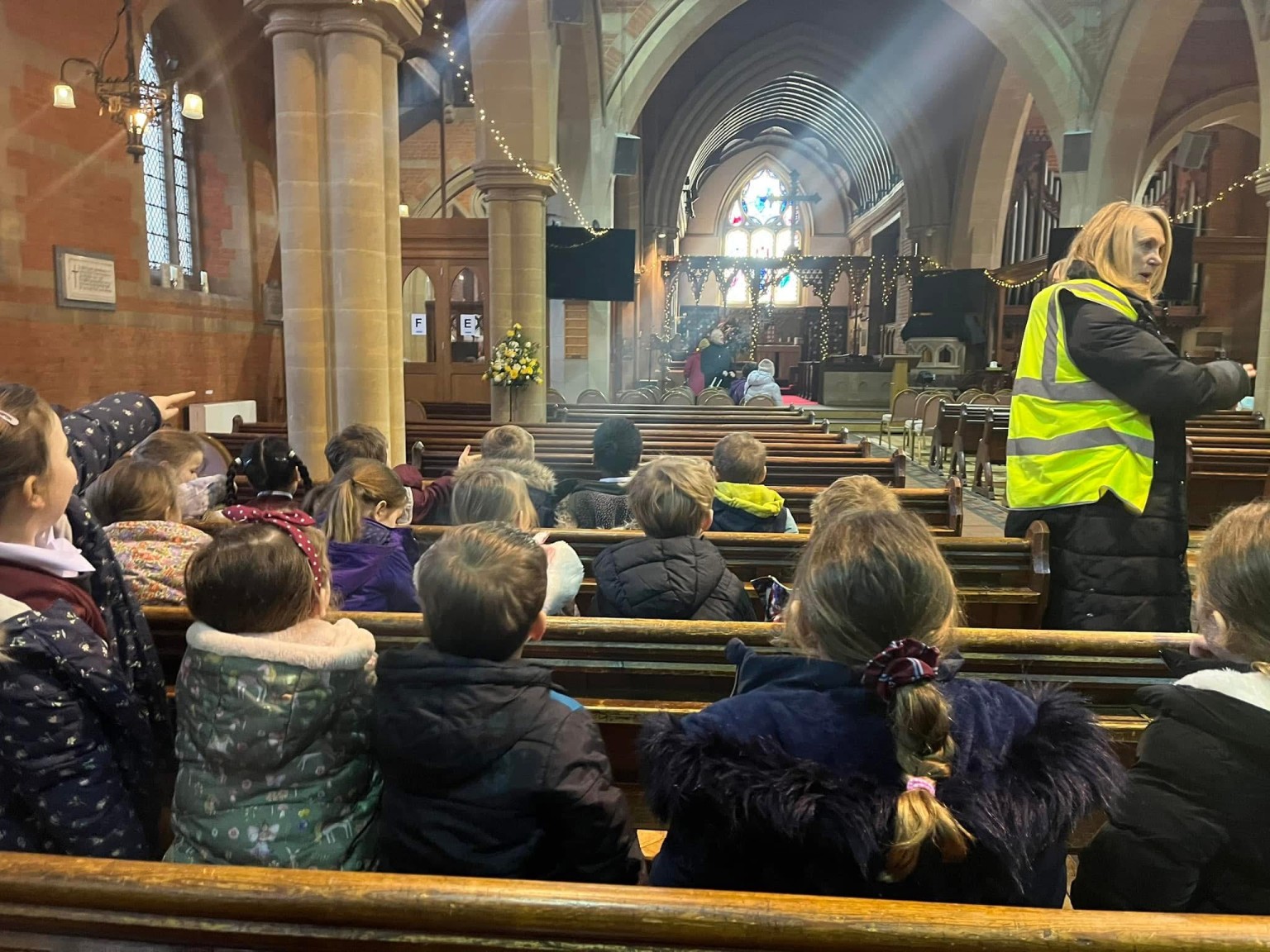
Holy Trinity church visit with Year 1
-
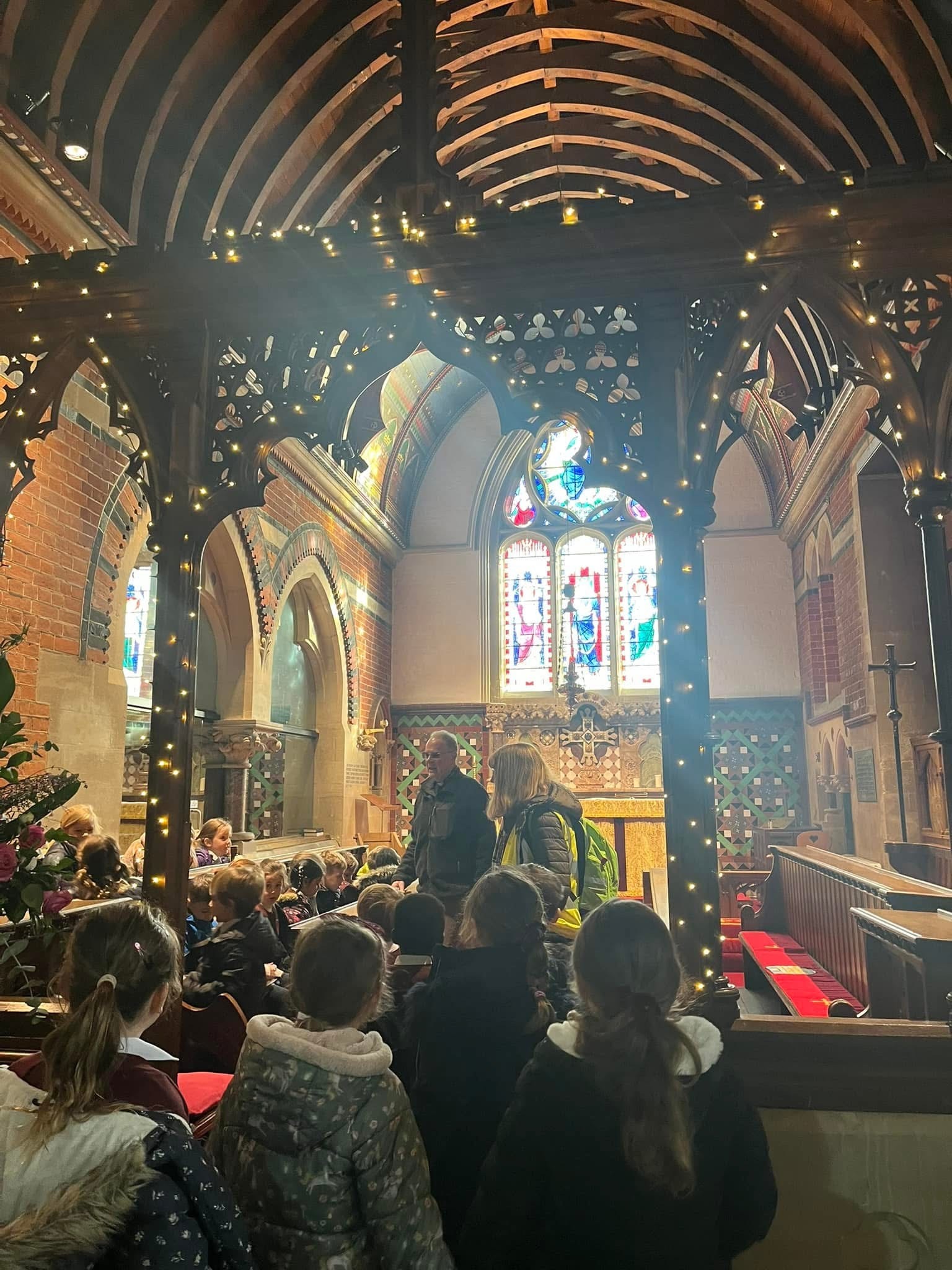
Holy Trinity church visit with Year 1
-
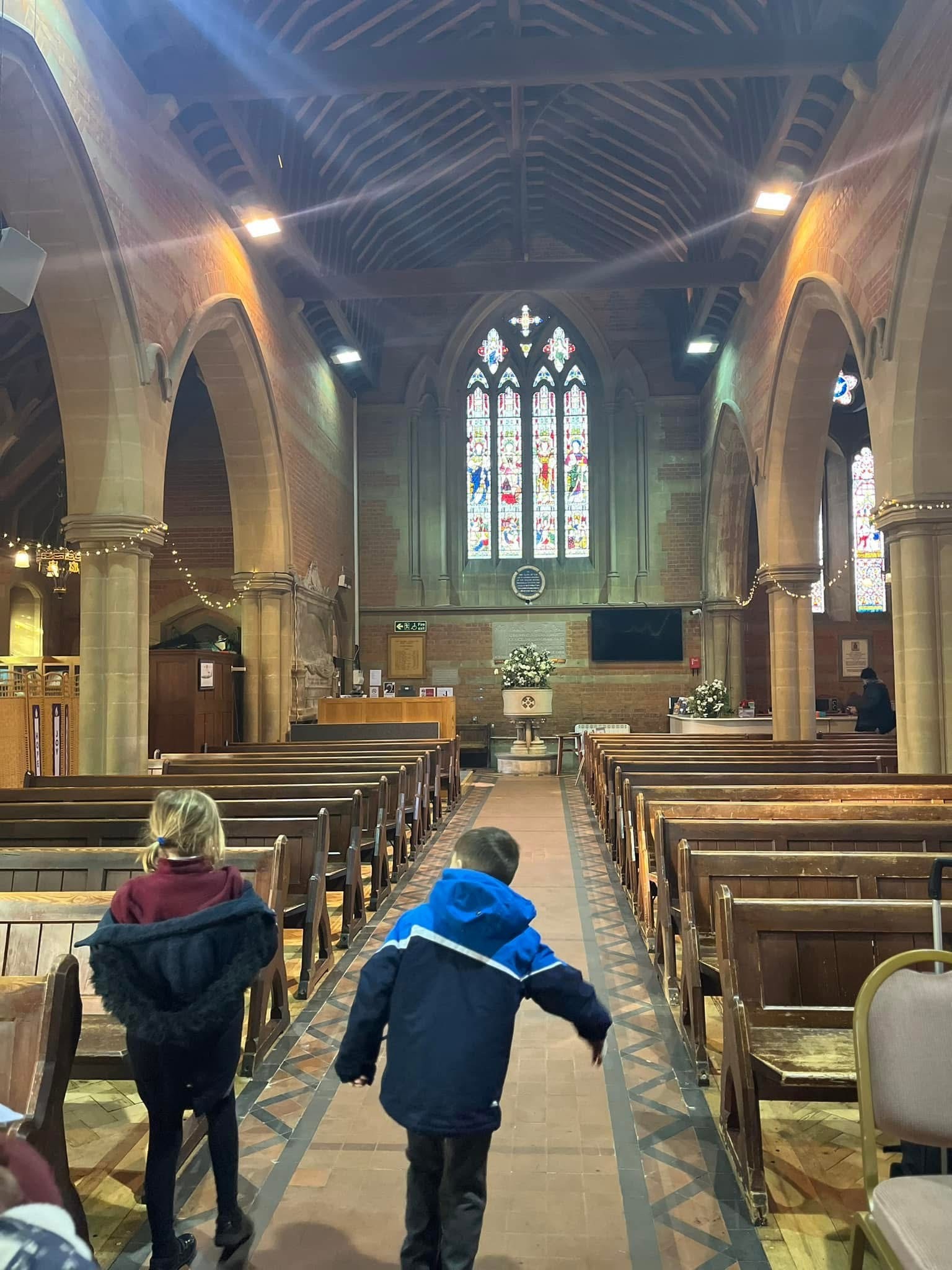
Holy Trinity church visit with Year 1
-
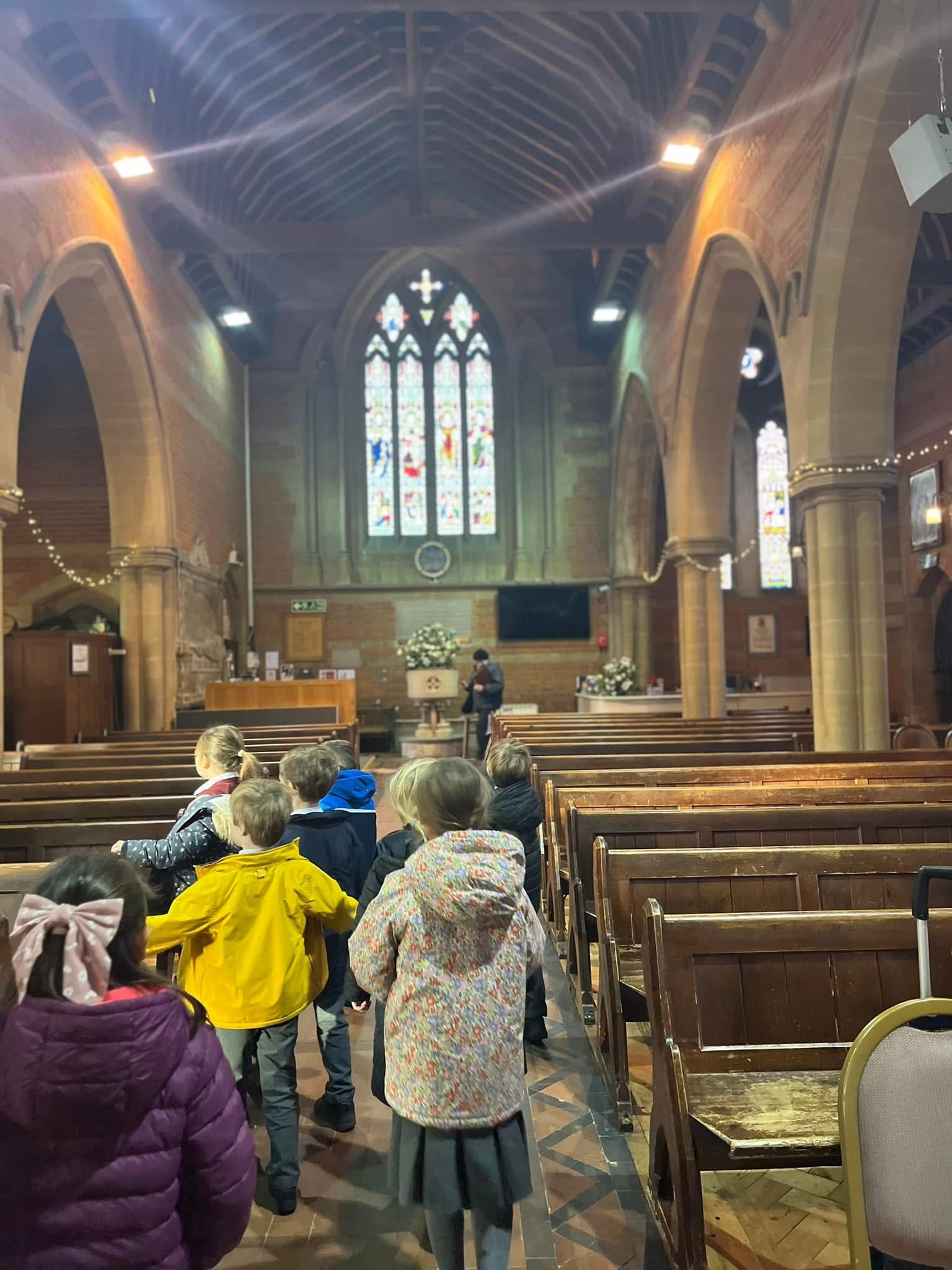
Holy Trinity church visit with Year 1
-
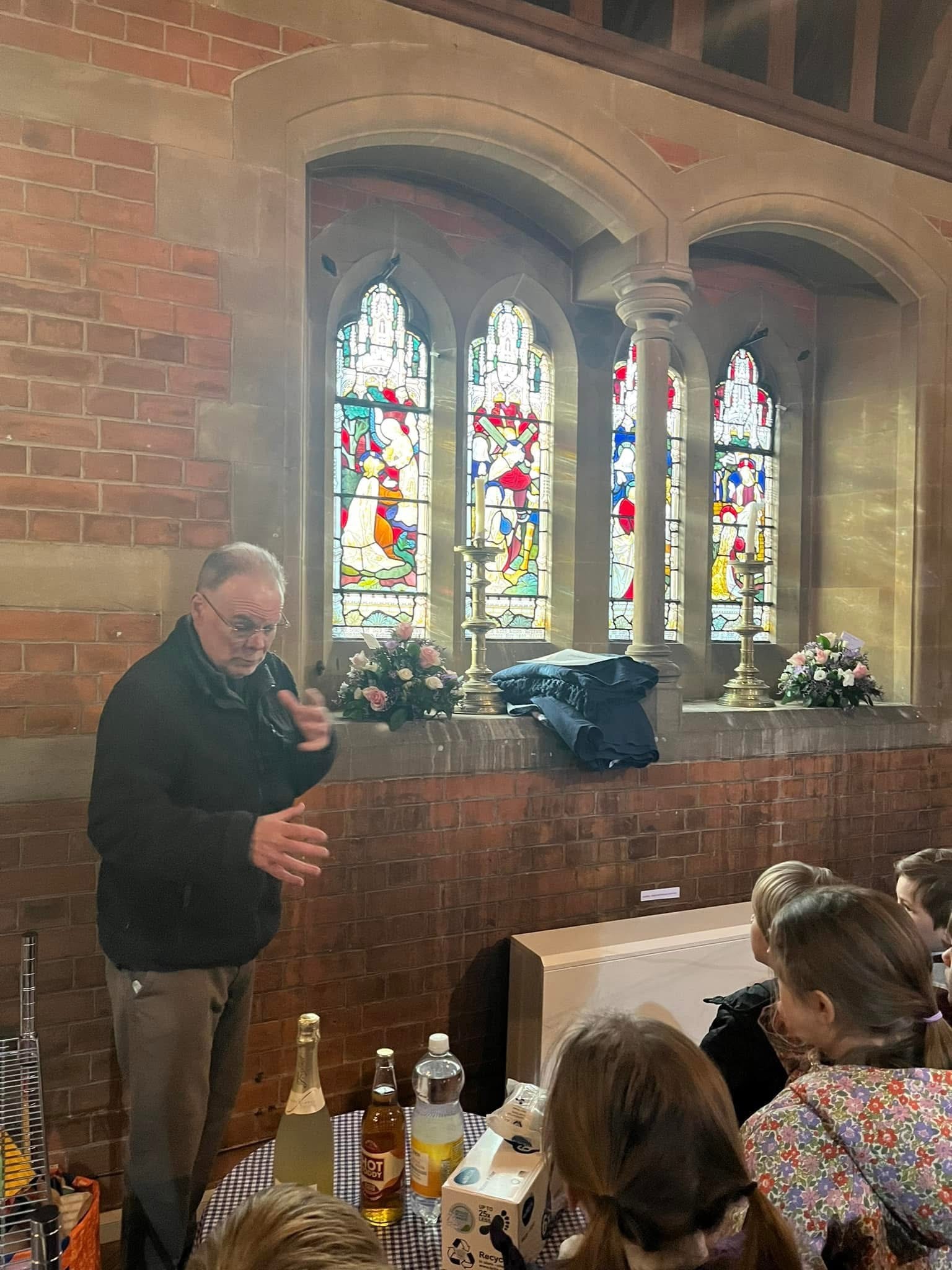
Holy Trinity church visit with Year 1
-
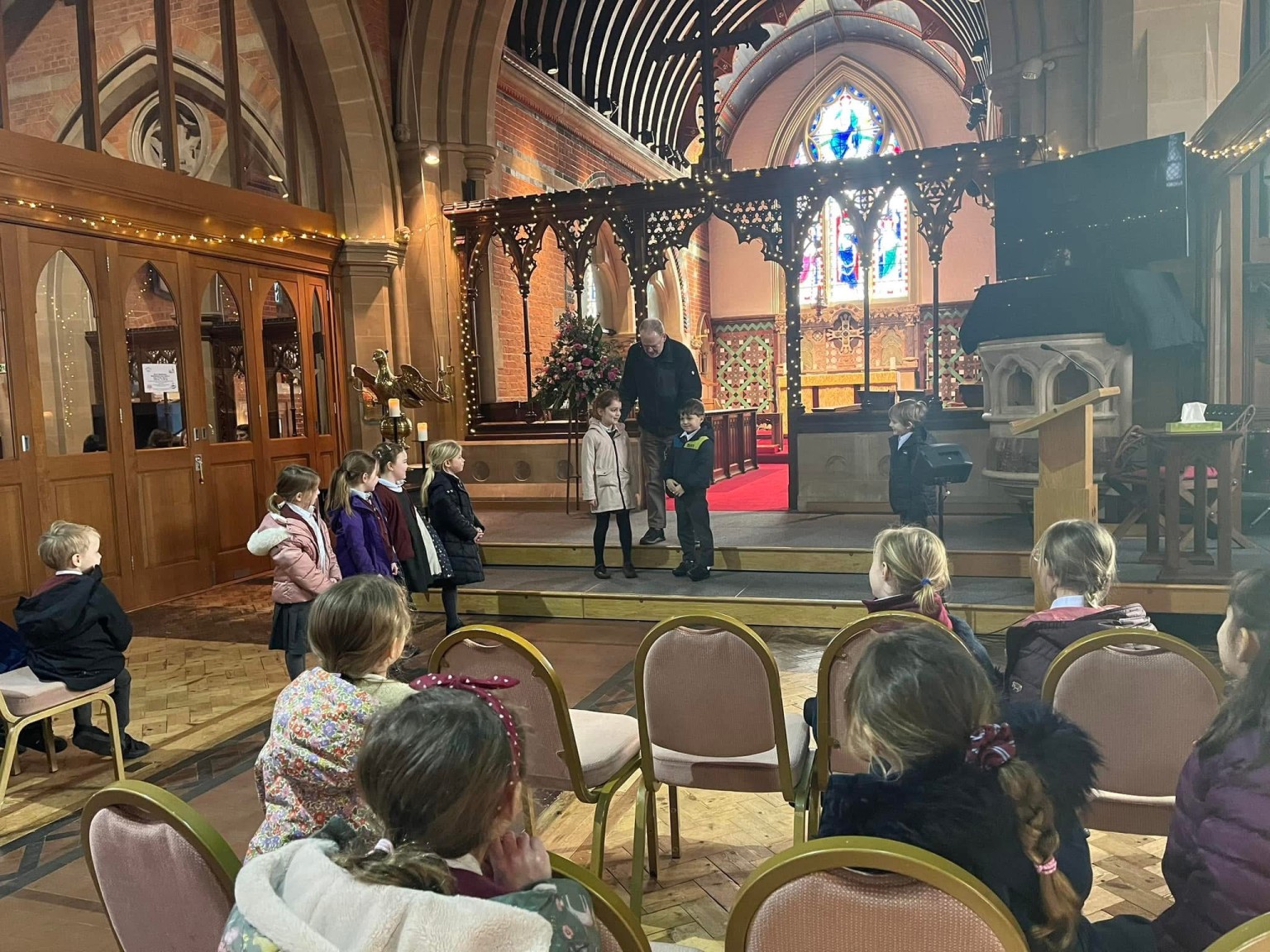
Holy Trinity church visit with Year 1
Religious Education at St. Michael's CE Primary School
-
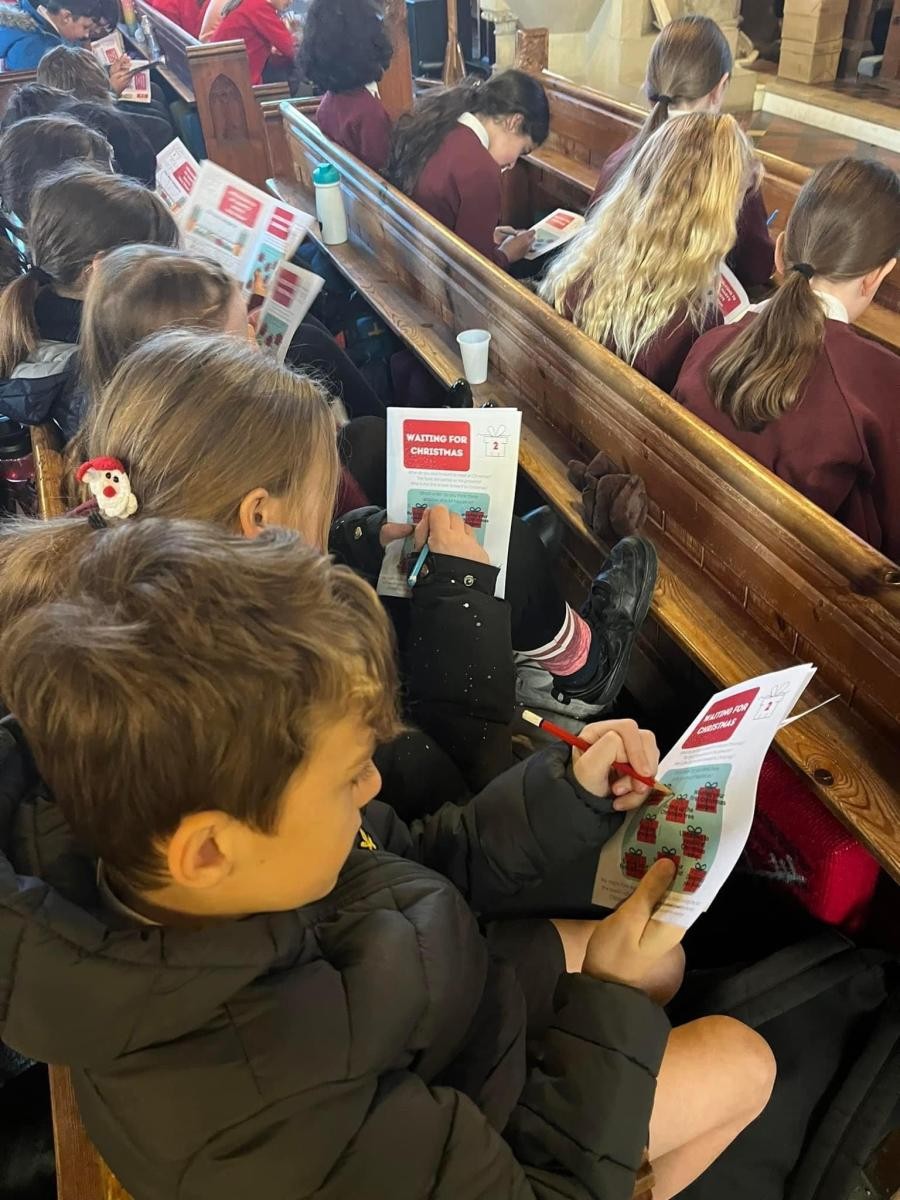
Year 6 'Christmas Unwrapped' at White Waltham Church
-
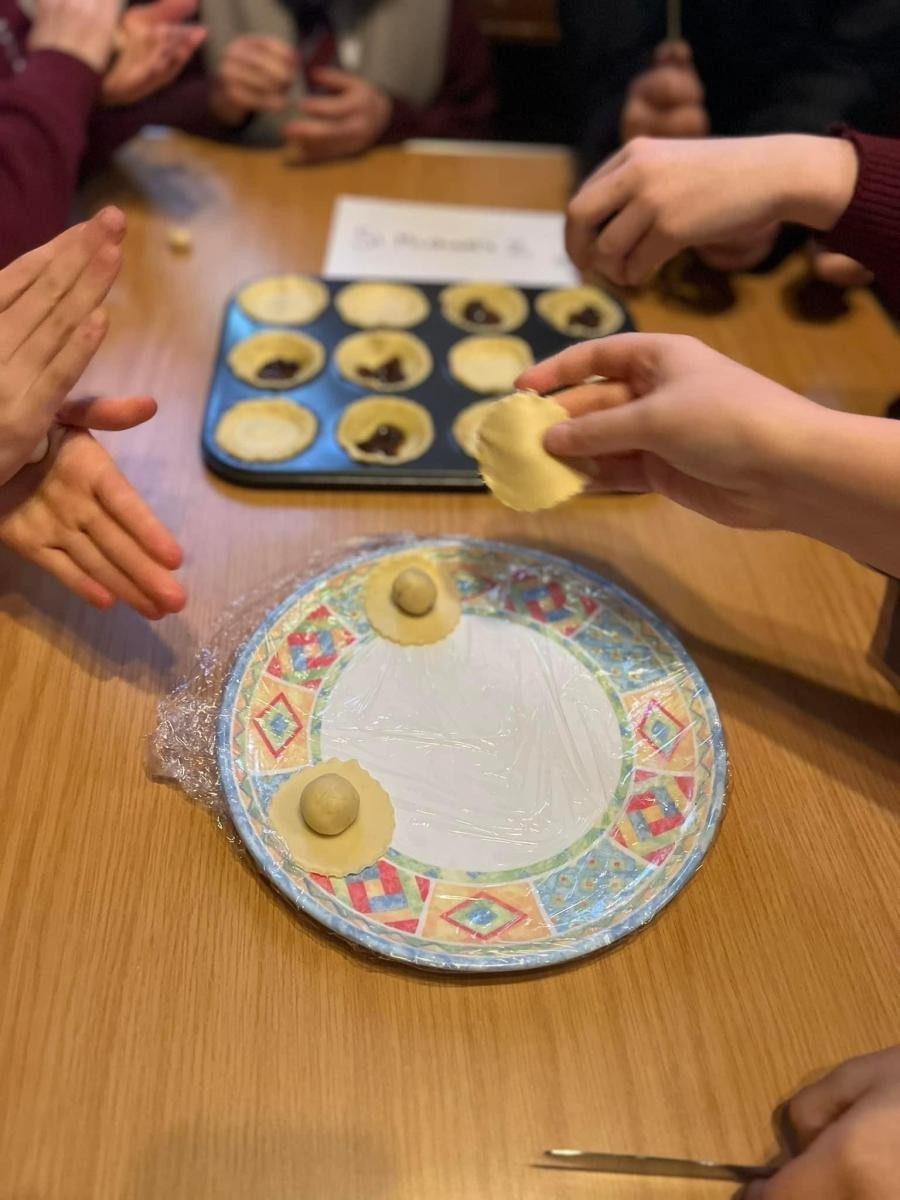
Year 6 'Christmas Unwrapped' at White Waltham Church
-
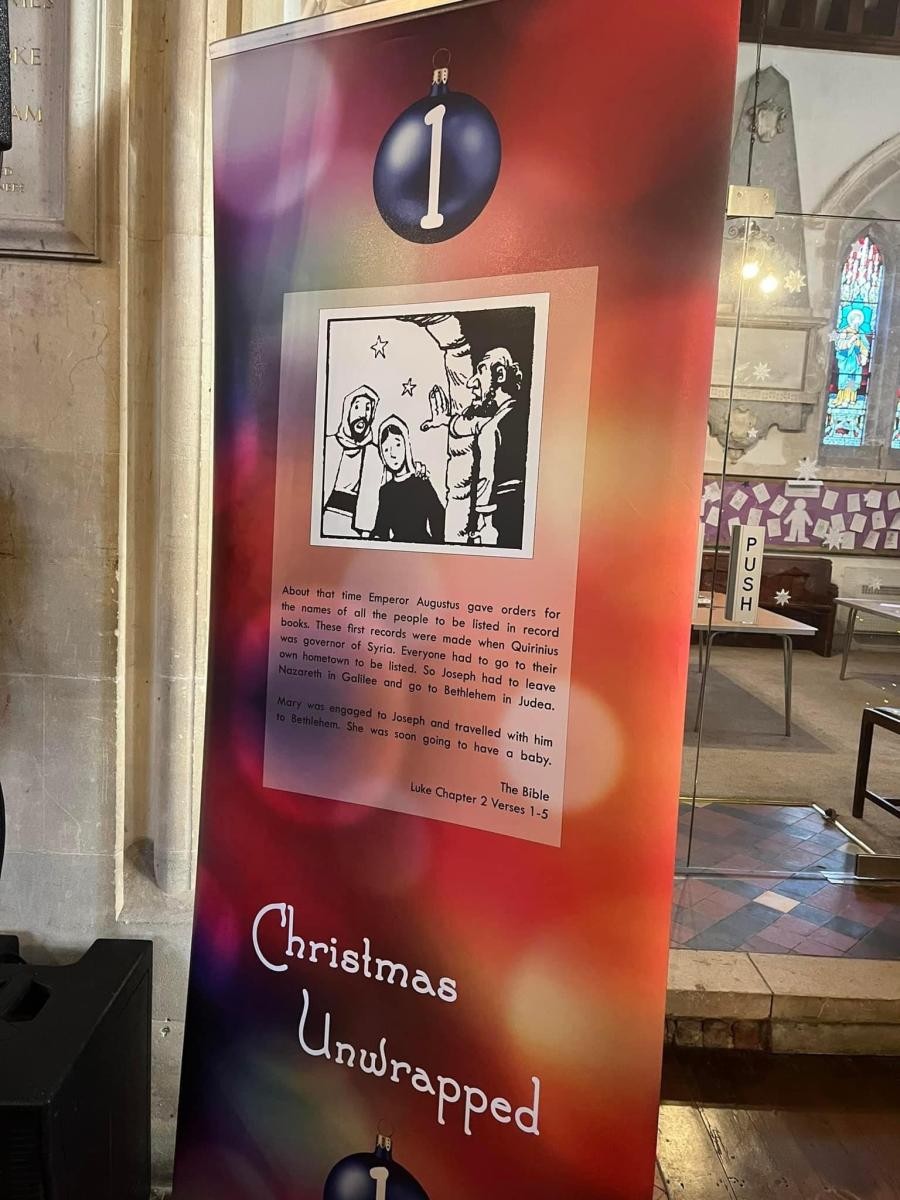
Year 6 'Christmas Unwrapped' at White Waltham Church
-
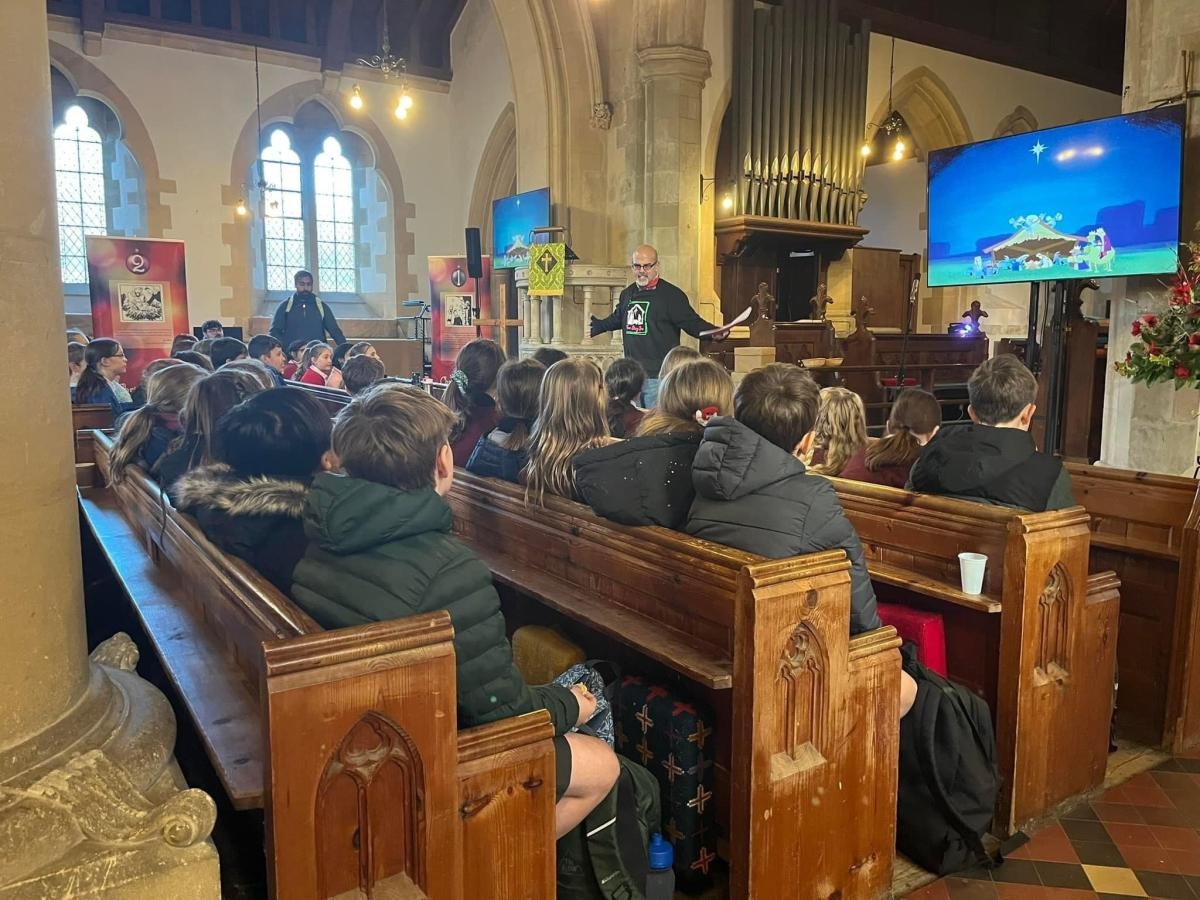
Year 6 'Christmas Unwrapped' at White Waltham Church
-
-
-
-
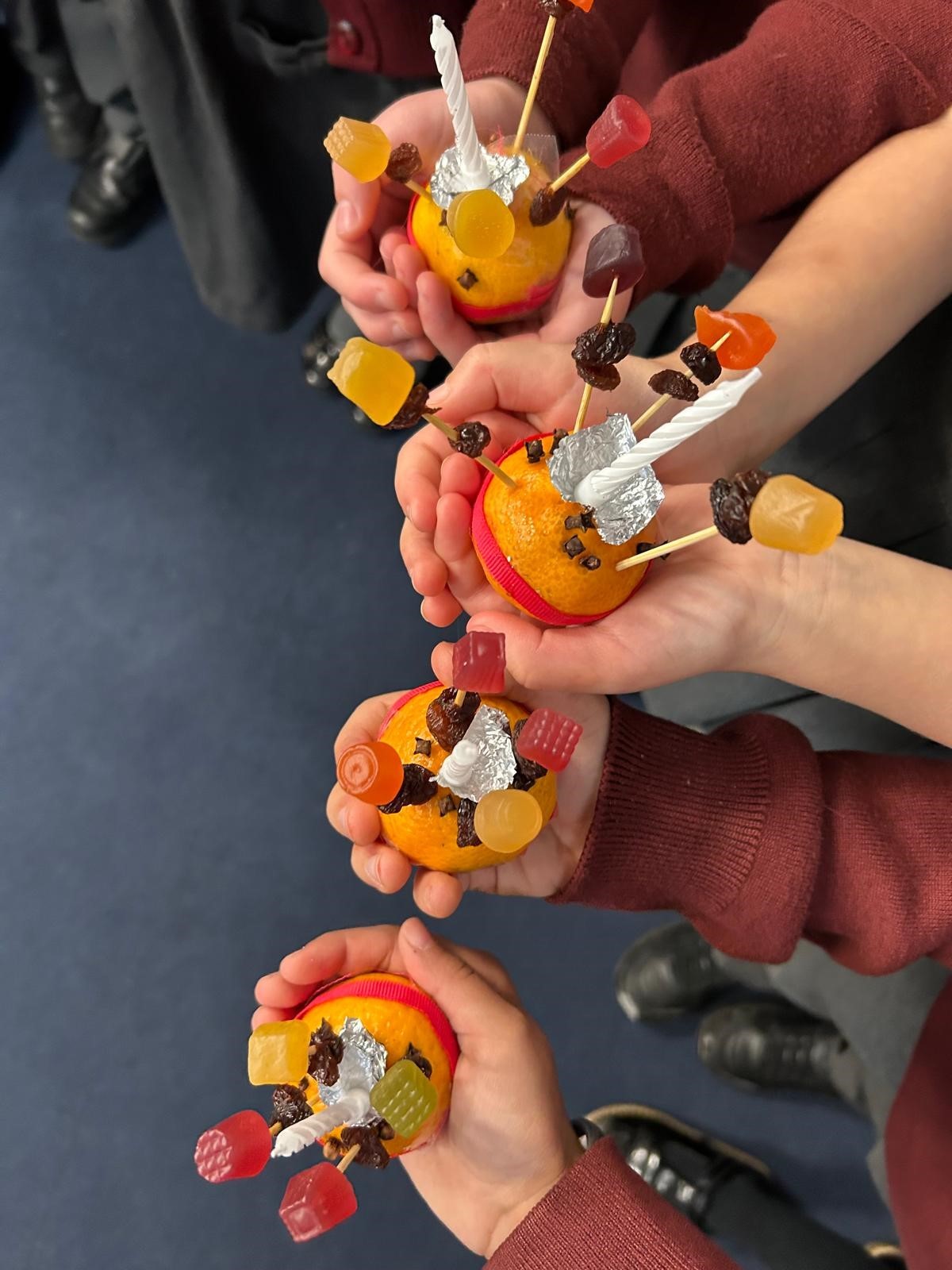
Year 1 making Christingles
-
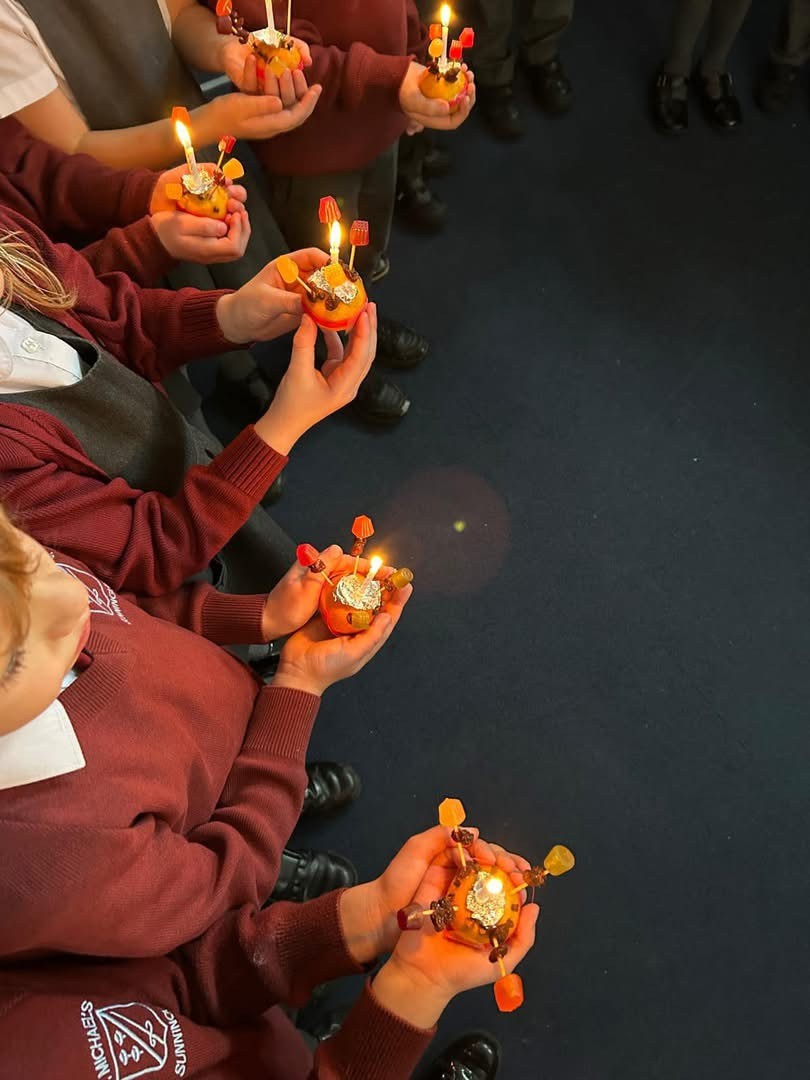
Year 1 making Christingles
-
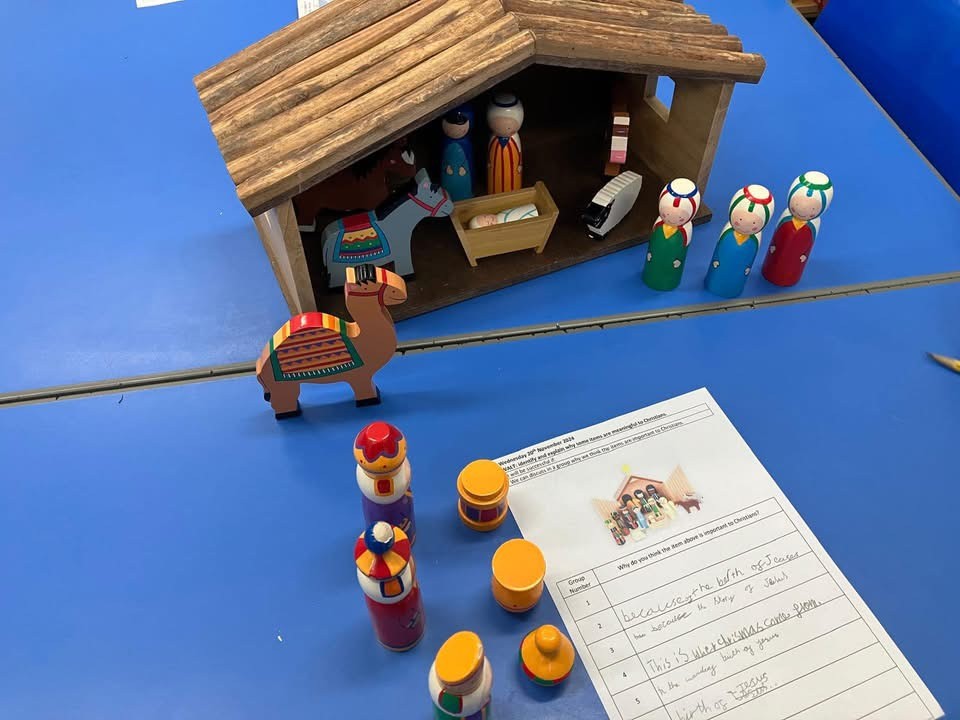
Year 3 learning about the Christmas story
-
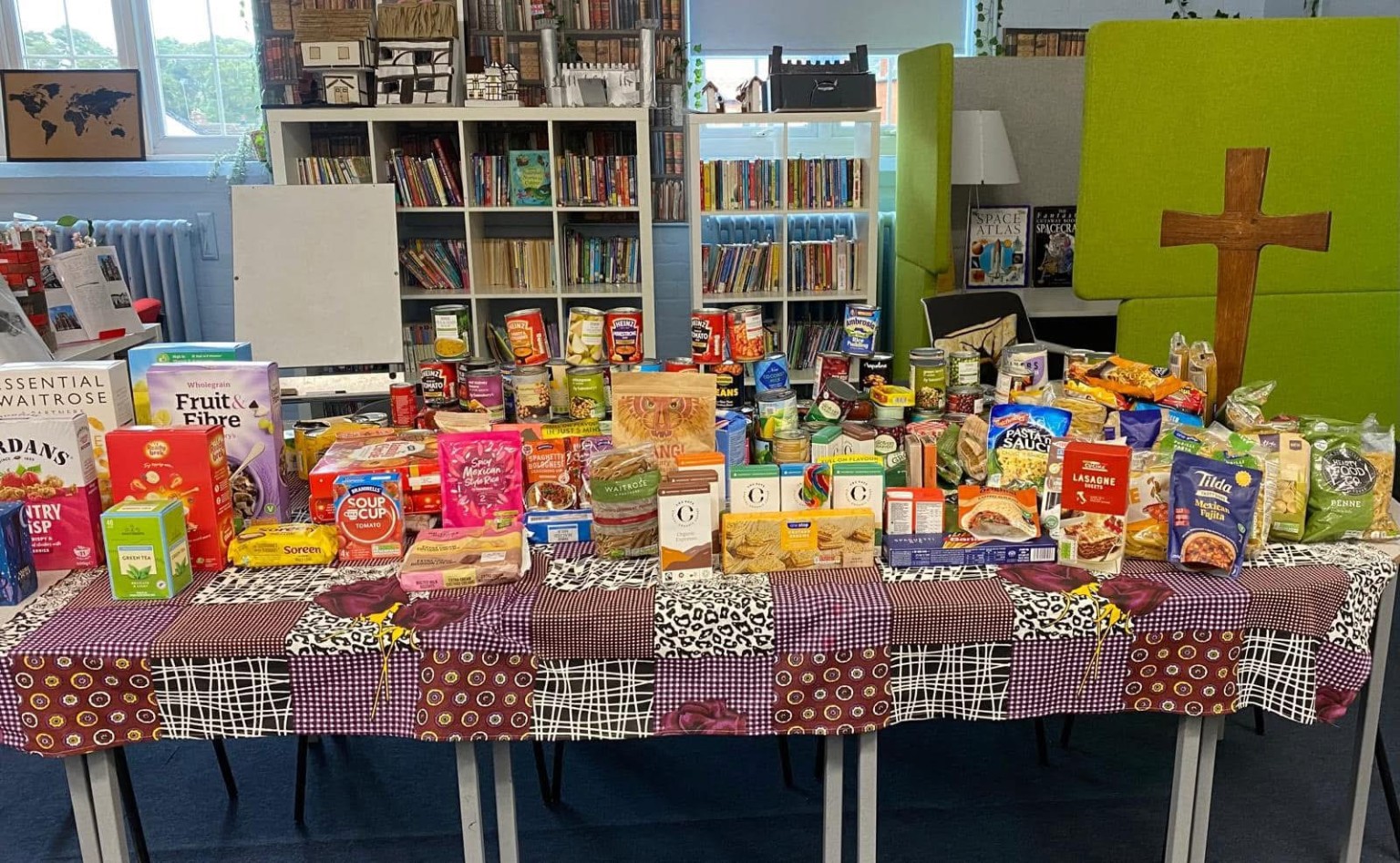
Our harvest festival school collection for our local Foodshare