Science at St Michael’s
Intent
At St Michael’s, our Science curriculum inspires curiosity and excitement about the natural world, encouraging children to ask questions, investigate phenomena and develop an understanding of how science shapes our lives. We aim to develop secure scientific knowledge alongside the skills needed to investigate, analyse evidence and draw conclusions.
Our curriculum enables pupils to make connections between science and their everyday experiences, understand its role in addressing global challenges and appreciate the contributions of scientists past and present. We are committed to challenging stereotypes and ensuring that the scientists children encounter reflect the diversity of our world.
Our approach reflects our school vision, “Creating a community where we learn together through: respect, kindness, curiosity and faith,” encouraging children to think critically, respect evidence and approach new discoveries with open minds.
Implementation
Our Science curriculum follows the National Curriculum and provides a clear progression of knowledge and skills from EYFS to Year 6. Learning is organised around three interconnected strands:
-
Scientific knowledge and understanding: biology, chemistry and physics.
-
Working scientifically: asking questions, planning investigations, gathering and analysing data, and drawing conclusions.
-
Science in action: exploring the uses and implications of science in the past, present and future.
A spiral curriculum revisits key knowledge and skills with increasing complexity, helping pupils build on prior learning. Units cover six key areas: plants; animals, including humans; living things and their habitats; materials; energy; and forces, Earth and space.
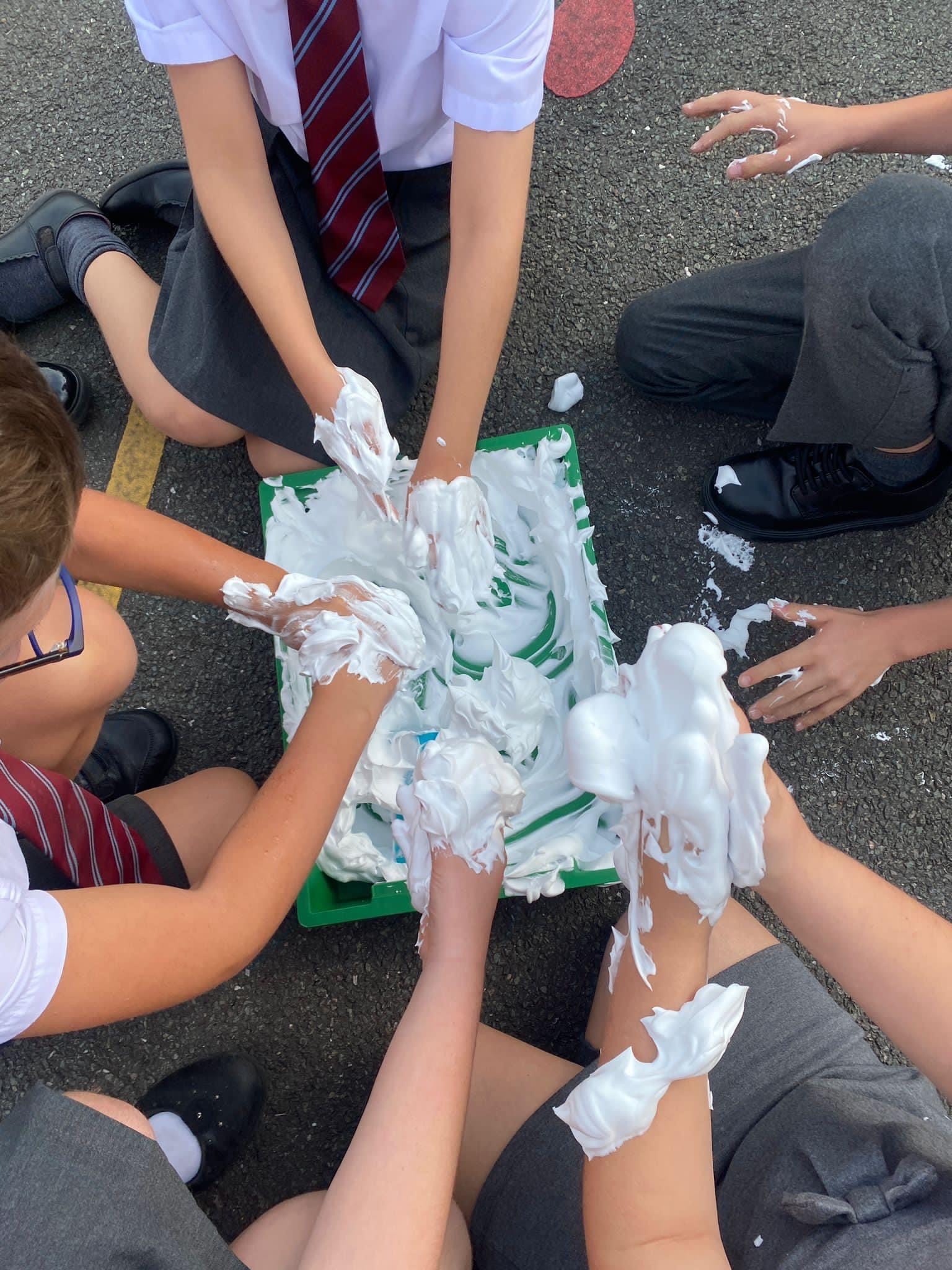
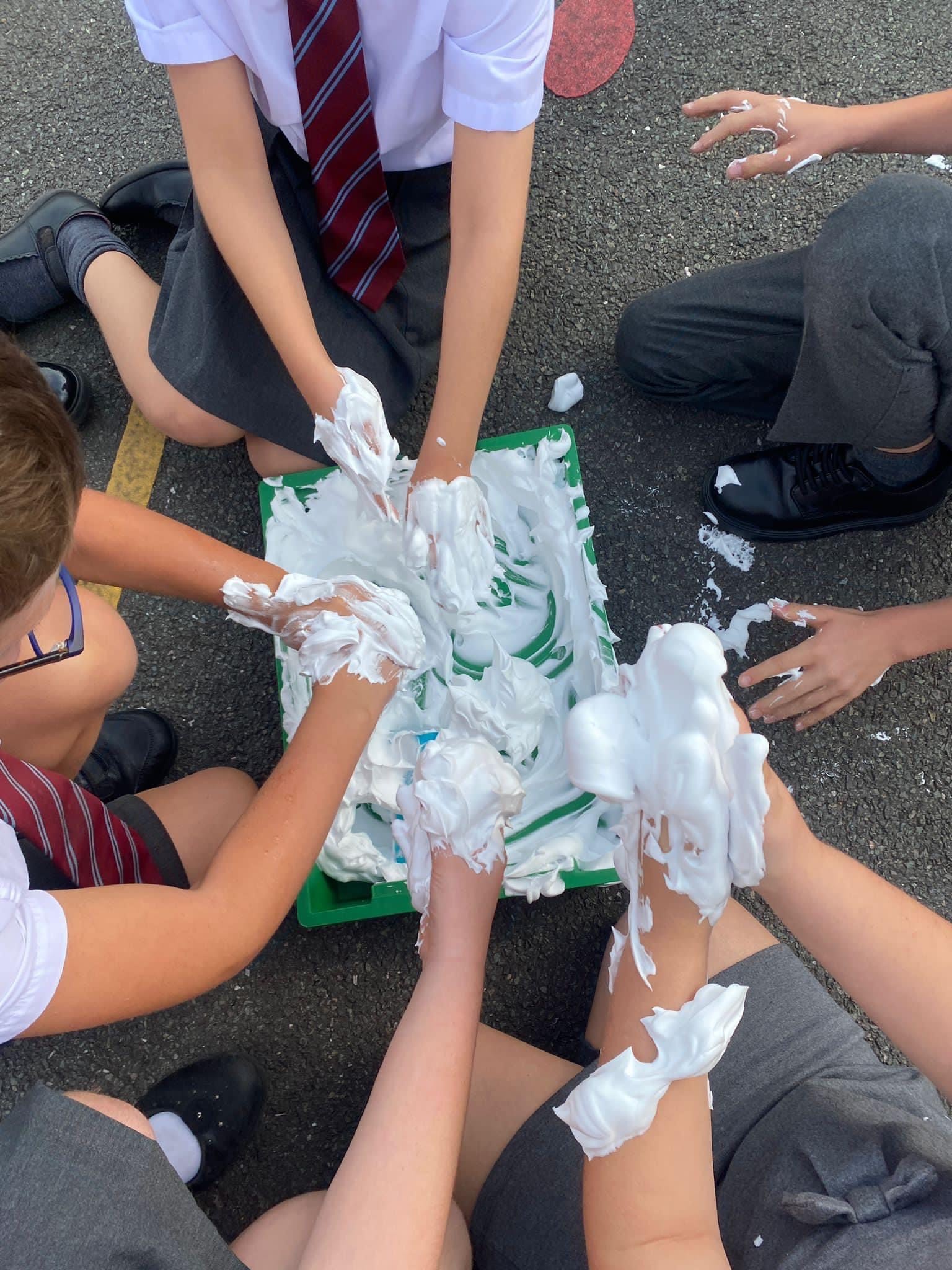
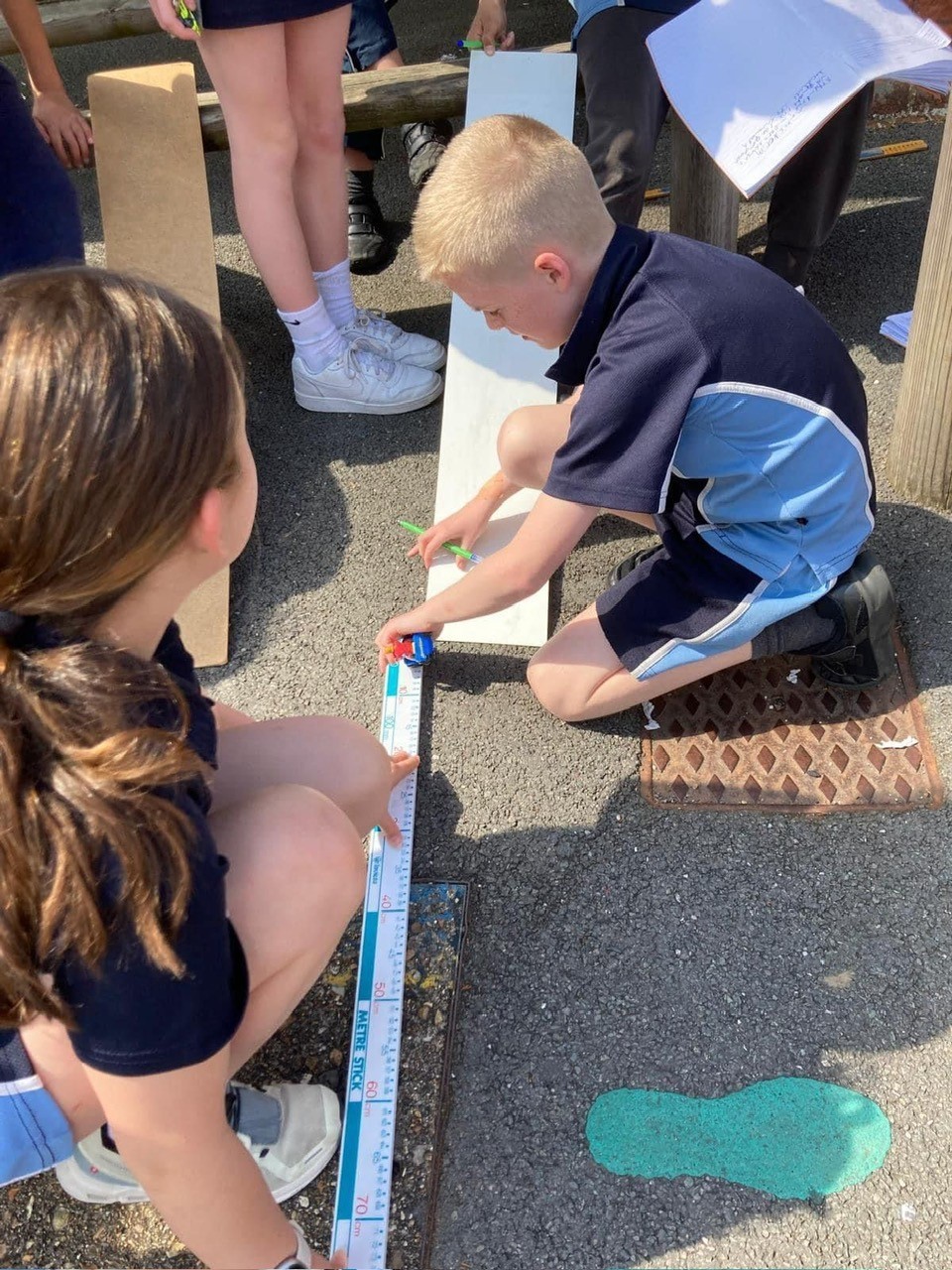
Practical investigations are embedded throughout the curriculum, enabling children to develop enquiry skills alongside scientific understanding. Pupils learn to use equipment, make observations, measure and record data, identify patterns and communicate findings using appropriate scientific vocabulary.
In EYFS, hands-on exploration and observation develop the foundations for scientific thinking. Teaching in Year 1 supports the transition from EYFS through a mixture of adult-led, independent and practical activities. Each year group also completes a Making Connections unit, which revisits prior learning and provides opportunities to apply knowledge and skills in new contexts.
Knowledge organisers support the learning and recall of key facts and vocabulary. Lessons incorporate a range of practical, collaborative, independent and digital activities, with teaching adapted to provide appropriate support and challenge.
Impact
Our Science curriculum aims to develop confident, curious and resilient learners who can use scientific knowledge and enquiry skills to understand the world around them. We want pupils to recognise the importance of evidence, think critically and appreciate the impact of science on society.
By the end of Year 6, pupils should be able to:
-
Demonstrate secure knowledge across the biology, chemistry and physics topics of the National Curriculum.
-
Ask relevant scientific questions and plan and carry out investigations.
-
Select and use appropriate equipment to observe, measure, record and present data accurately.
-
Identify patterns, analyse results and use evidence to explain findings and draw conclusions.
-
Communicate scientific ideas clearly using appropriate vocabulary.
-
Recognise the contributions of scientists and understand how science influences everyday life and addresses wider challenges.
-
Demonstrate resilience, curiosity and a willingness to review ideas in light of evidence.
-
Meet the end-of-key-stage expectations of the National Curriculum and feel prepared to study Science at Key Stage 3.
The impact of our curriculum is monitored through ongoing formative assessment, end-of-unit knowledge catchers, pupil and teacher voice, learning walks and book looks. Summative judgements are recorded on OTrack at the end of the summer term.
Ultimately, we want children to leave St Michael’s with a lasting curiosity about the world, the confidence to investigate questions independently and the scientific knowledge and skills to make sense of the world around them.
Science at St. Michael's CE Primary School
-
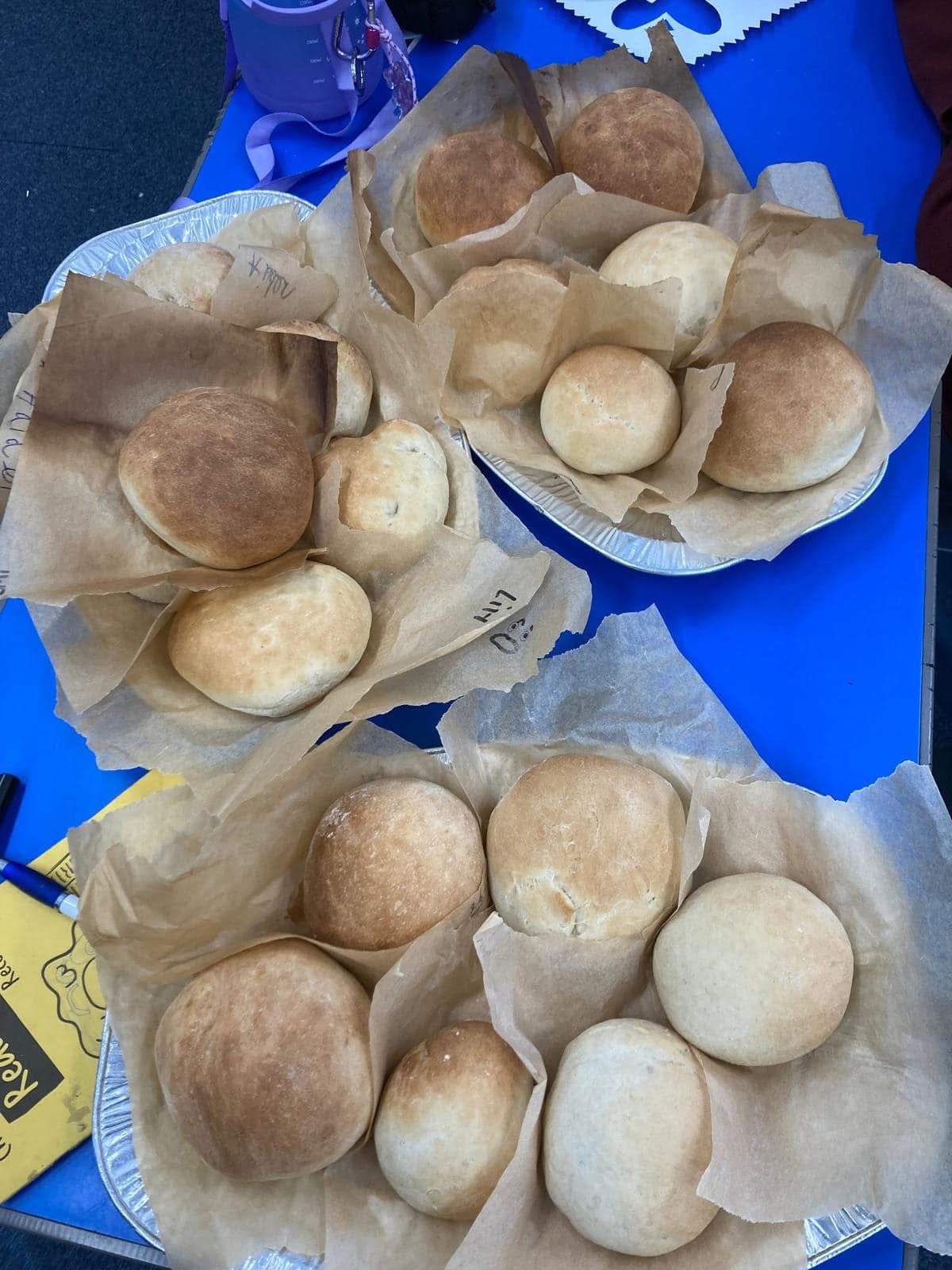
Reversible and irreversible changes - making bread in Year 5
-
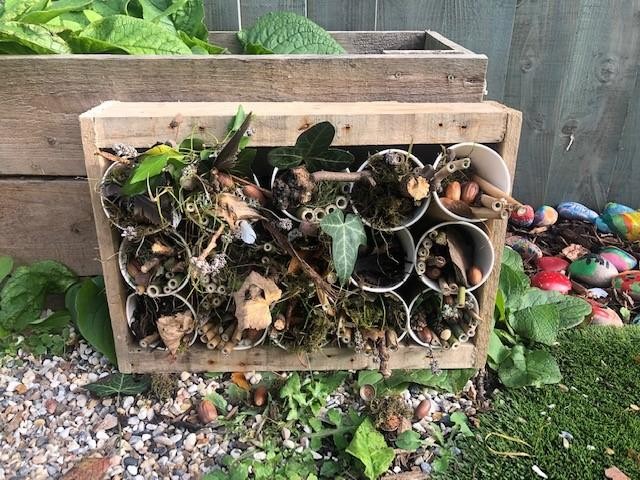
D&T and science combining for Y2, with this fabulous bug hotel.
-
-