Design & Technology at St Michael’s CE Primary School
Intent
At St Michael’s CE Primary School, our vision is to “Create a community where we learn together through respect, kindness, curiosity and faith.” Design & Technology makes an important contribution to this vision by encouraging children to be creative, resourceful and reflective learners who use their knowledge and skills to solve problems and make a positive difference to the world around them.
We aim to provide an inspiring, ambitious and practical curriculum in which children use their creativity and imagination to design, make and evaluate products that solve real and relevant problems. Pupils consider the needs, wants and values of different users, learning to recognise that successful design is not only about how something looks, but also how it works, who it benefits and the impact it has on others.
Curiosity is central to our approach. Children are encouraged to investigate materials, explore ideas, experiment with techniques and test possible solutions. Through drafting designs, modelling, making prototypes and evaluating outcomes, pupils develop resilience and the confidence to take creative risks. They learn that mistakes are valuable opportunities to reflect, adapt and improve.
Our values of respect and kindness are reflected in the way pupils collaborate, listen to different viewpoints and consider the needs of others when designing products. We encourage children to recognise that their skills and creativity can be used to support others and improve everyday life.
As a church school, we also want children to develop a sense of responsibility for the world around them. Through considering the sustainability of materials, the purpose of products and the environmental impact of design decisions, pupils are encouraged to become thoughtful designers who value resources and care for God's creation. Our value of faith supports a sense of hope and possibility, encouraging children to believe that their ideas, skills and actions can make a positive contribution to their community.
We follow the Kapow Primary Design & Technology scheme of work, which provides a progressive curriculum that supports the National Curriculum and enables pupils to develop the technical knowledge, practical skills and creative thinking needed to flourish as designers and innovators.
Implementation
Design & Technology is taught through the Kapow Primary scheme of work, which provides a structured progression of knowledge and skills from the Early Years Foundation Stage to Year 6. Learning is organised around the four key stages of the design process: design, make, evaluate and develop technical knowledge.
In Reception, children develop their early design and making skills through opportunities to explore materials, construct models, use tools safely and express their ideas through practical activities. These experiences support the Early Learning Goals and provide foundations for future learning.
Throughout Key Stages 1 and 2, pupils develop their knowledge and skills through six key areas:
-
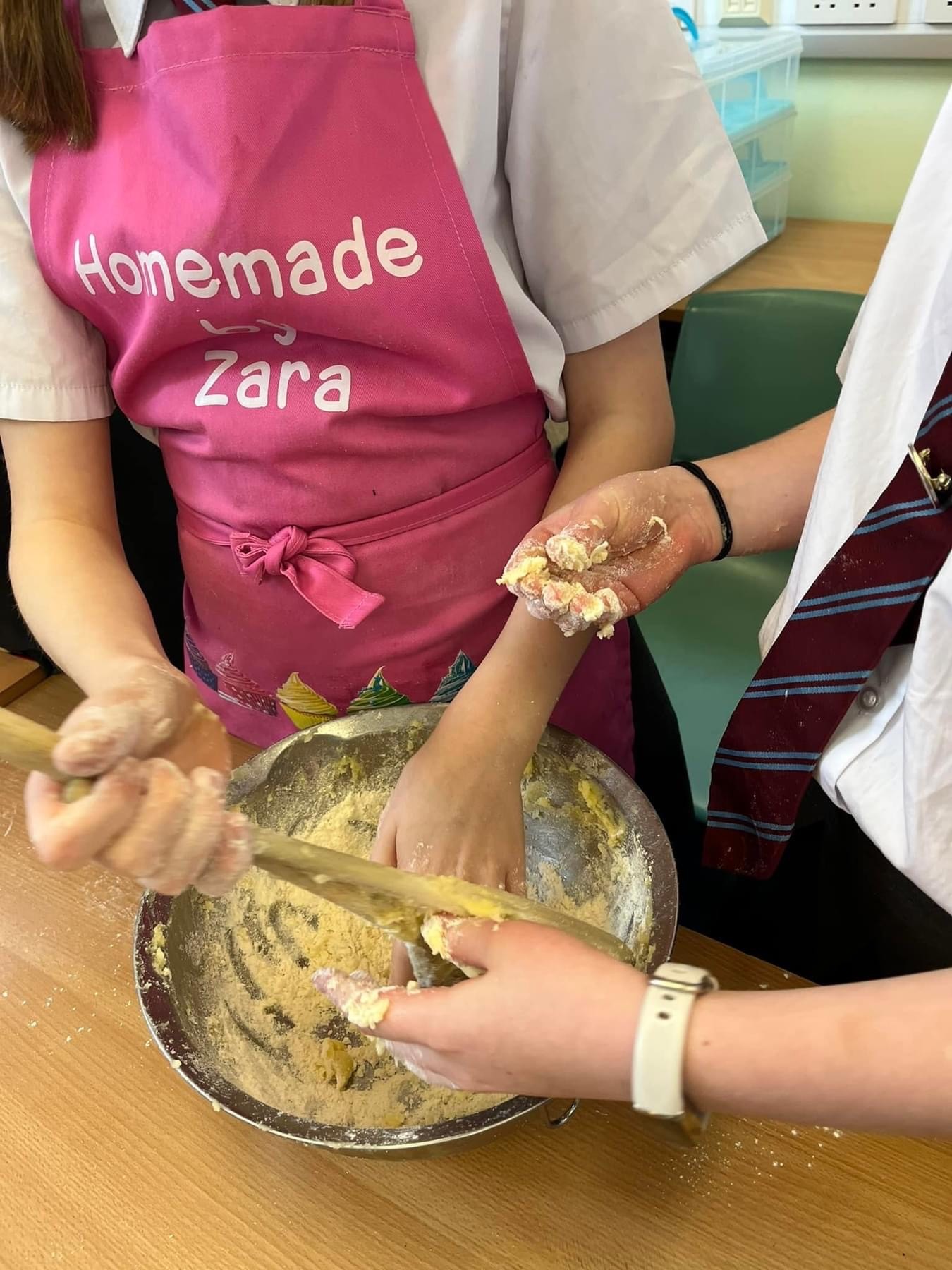
Cooking and nutrition
-
Textiles
-
Mechanisms
-
Structures
-
Electrical systems
-
Digital world
Each area is revisited through a spiral curriculum, allowing children to build on prior learning and apply their knowledge with increasing complexity and independence. Knowledge organisers support pupils in recalling key facts, concepts and subject-specific vocabulary.
Pupils respond to design briefs and practical challenges that encourage them to identify problems, understand the needs of users and develop appropriate solutions. They learn to research and generate ideas, communicate designs through drawings and models, select suitable materials and tools, and make products that fulfil a particular purpose.
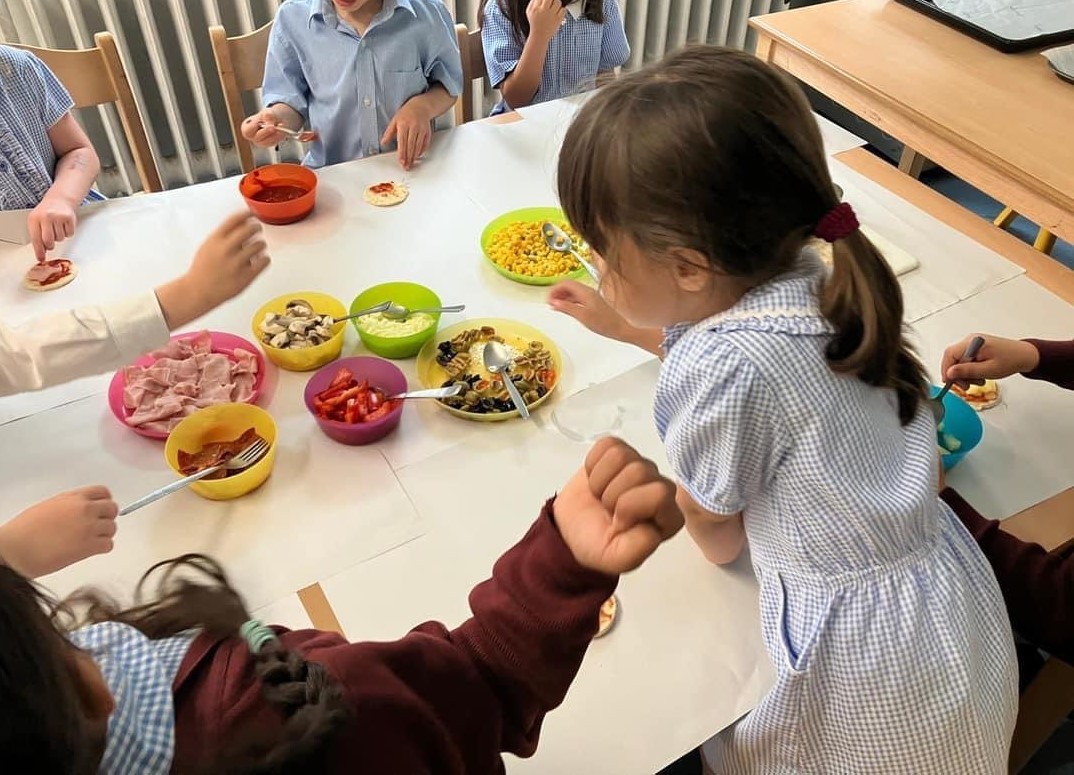
The practical nature of the subject enables children to develop technical skills through hands-on experiences. They learn to measure, cut, shape, join, assemble and finish materials, as well as explore mechanisms, structures, electrical systems and digital technologies where appropriate. In cooking and nutrition, pupils develop practical food preparation skills and an understanding of healthy eating, ingredients, food provenance and seasonality.
Evaluation is an essential part of the design process. Children are encouraged to test their products against their original design criteria, identify strengths and areas for improvement, and use feedback to refine their work. They learn to reflect on their own decisions and respond respectfully to the ideas and suggestions of others.
Across the curriculum, pupils explore existing products and learn about influential designers, inventors and technological developments. They consider how products have changed over time and how design can respond to changing needs, including environmental and social challenges.
Lessons include independent activities, paired and group work, practical investigations and computer-based tasks. Differentiated guidance and appropriate scaffolding ensure that all pupils can access the curriculum, while additional challenge enables children to deepen their understanding and develop greater independence.
Teachers are supported through Kapow's planning materials and professional development resources to deliver high-quality lessons. Assessment and reflection are used to identify next steps and ensure that pupils continue to build their knowledge, skills and confidence.
Impact
By the end of their time at St Michael’s, we want pupils to be confident, curious and resourceful designers who can apply their knowledge and creativity to solve problems and develop products for a range of purposes.
Pupils will be able to:
-
Understand the functional and aesthetic properties of a range of materials and resources.
-
Select and use appropriate tools, materials and techniques to design, make and improve products.
-
Apply technical knowledge and practical skills to create purposeful and innovative outcomes, including models, prototypes and digital designs where appropriate.
-
Follow the design process, from identifying a need and generating ideas through to making, testing and evaluating a finished product.
-
Explain their design choices and evaluate products against agreed criteria, identifying ways to improve their work.
-
Demonstrate curiosity, creativity, resilience and perseverance when tackling design challenges.
-
Work collaboratively, listen to others and show respect for different ideas and approaches.
-
Understand the principles of healthy eating, food preparation, recipes and cooking techniques.
-
Recognise the contributions of significant designers, inventors and technological developments to the world around them.
-
Consider the social and environmental consequences of design decisions, including the responsible use of materials and resources.
-
Recognise how their creativity and practical skills can be used to meet the needs of others and contribute positively to their community.
Ultimately, we want pupils to understand that Design & Technology is about more than creating a finished product. It is about being curious, solving problems, learning through experimentation and using creativity responsibly to improve lives. We want every child to feel confident in their abilities, value the contributions of others and recognise that their ideas can make a difference.
Assessment and Monitoring
The impact of our Design & Technology curriculum is monitored through a range of approaches:
-
Ongoing formative assessment during lessons to identify pupils’ understanding, practical skills and next steps.
-
Reviewing pupils’ designs, models, prototypes and finished products to evaluate the application of knowledge and skills.
-
Pupil and teacher voice to assess confidence, engagement and understanding of the design process.
-
Evaluating pupils’ ability to explain their decisions, test products and identify improvements.
-
Recording summative assessments on OTrack in the summer term.
-
Using assessment information to identify strengths and areas for further development within the curriculum.
These approaches help us evaluate progression across the school and ensure that all pupils are supported and challenged to become increasingly skilled, independent and reflective designers.
Design Technology at St. Michael's CE Primary School
-
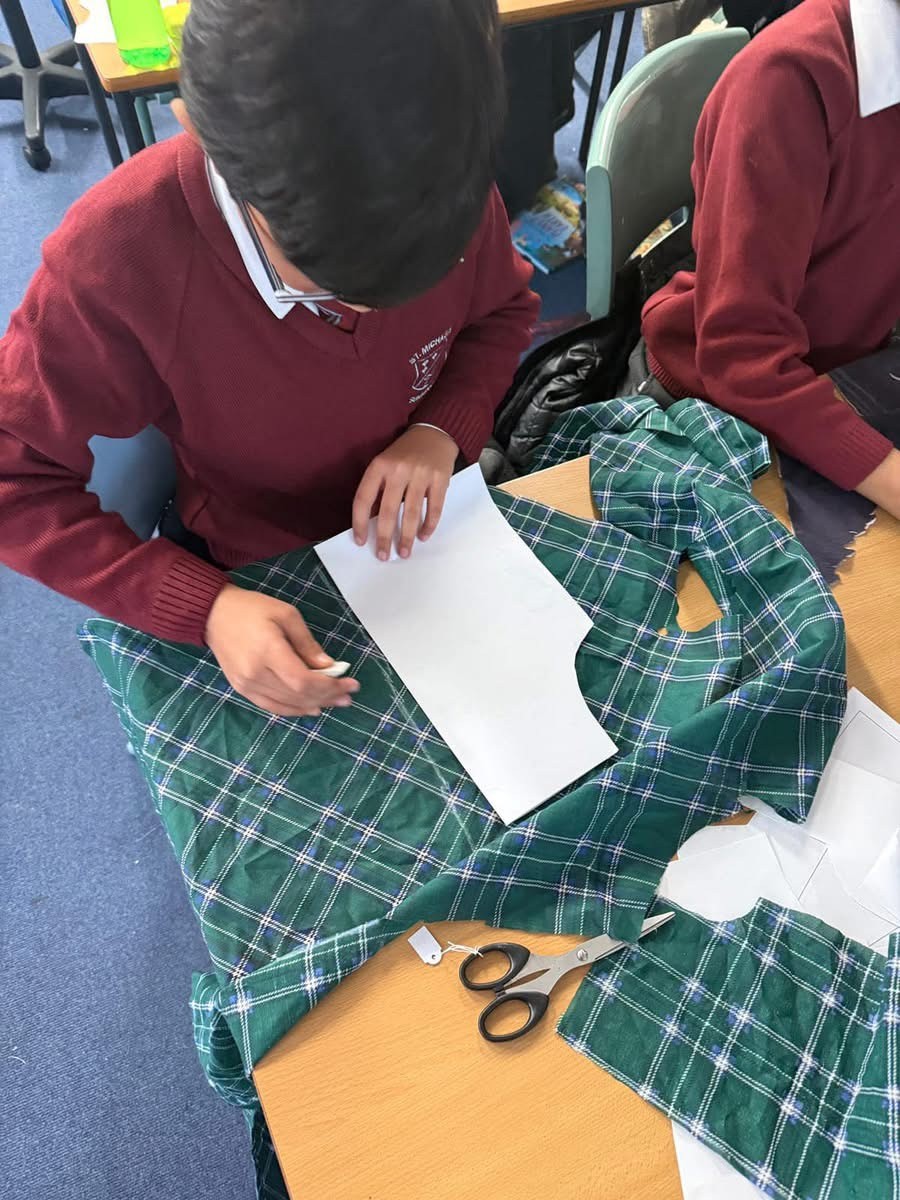
Year 6 preparing and cutting fabric ready for making waistcoats
-
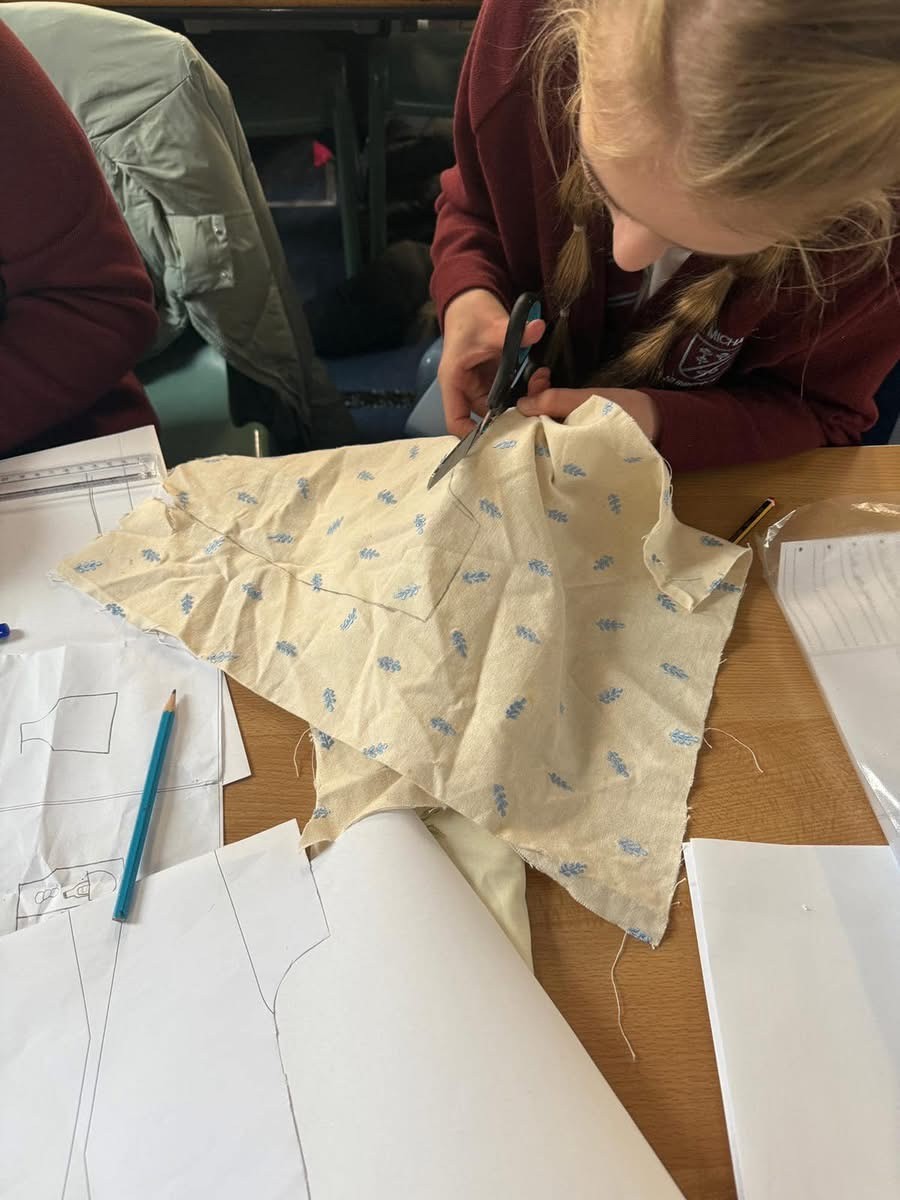
Year 6 preparing and cutting fabric ready for making waistcoats
-
-
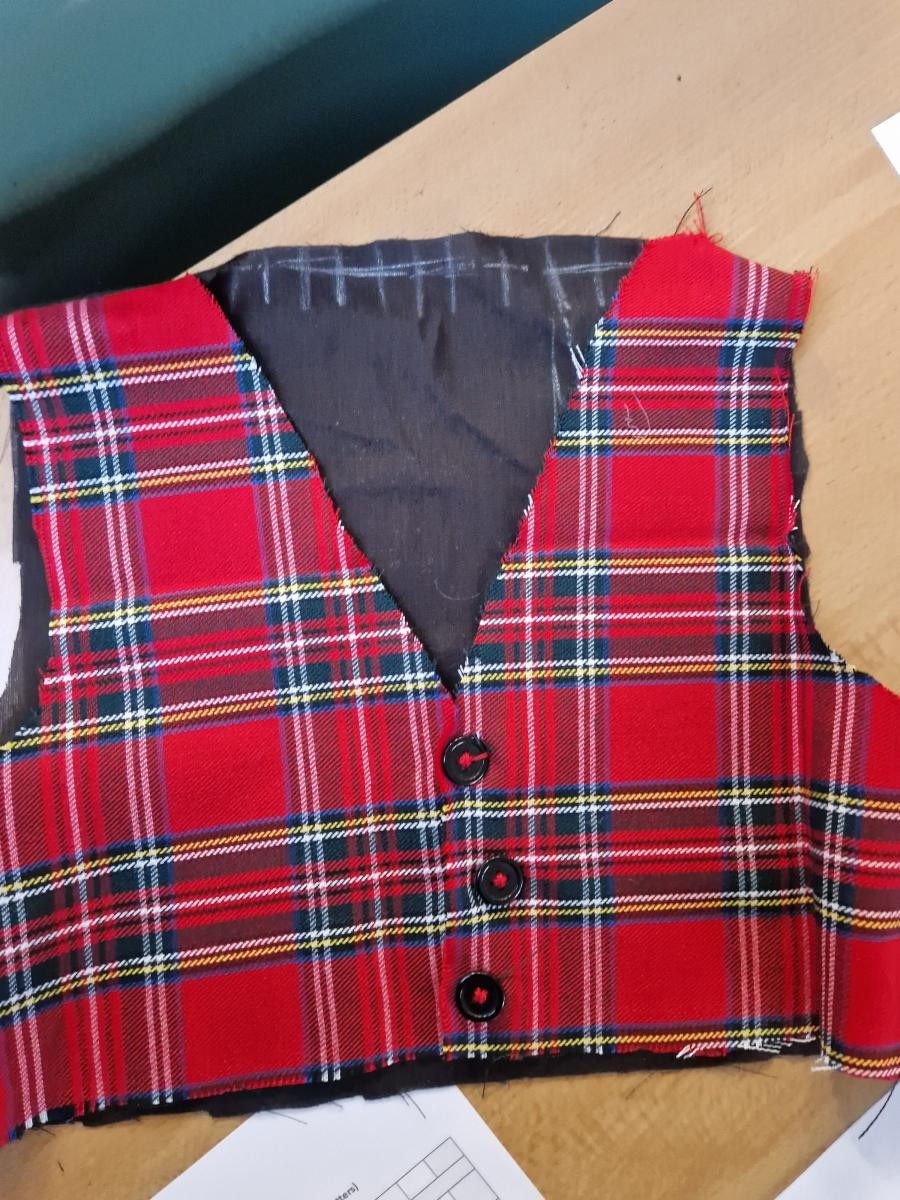
Wonderful Waistcoats from Y6. What incredible sewing and design skills!
-
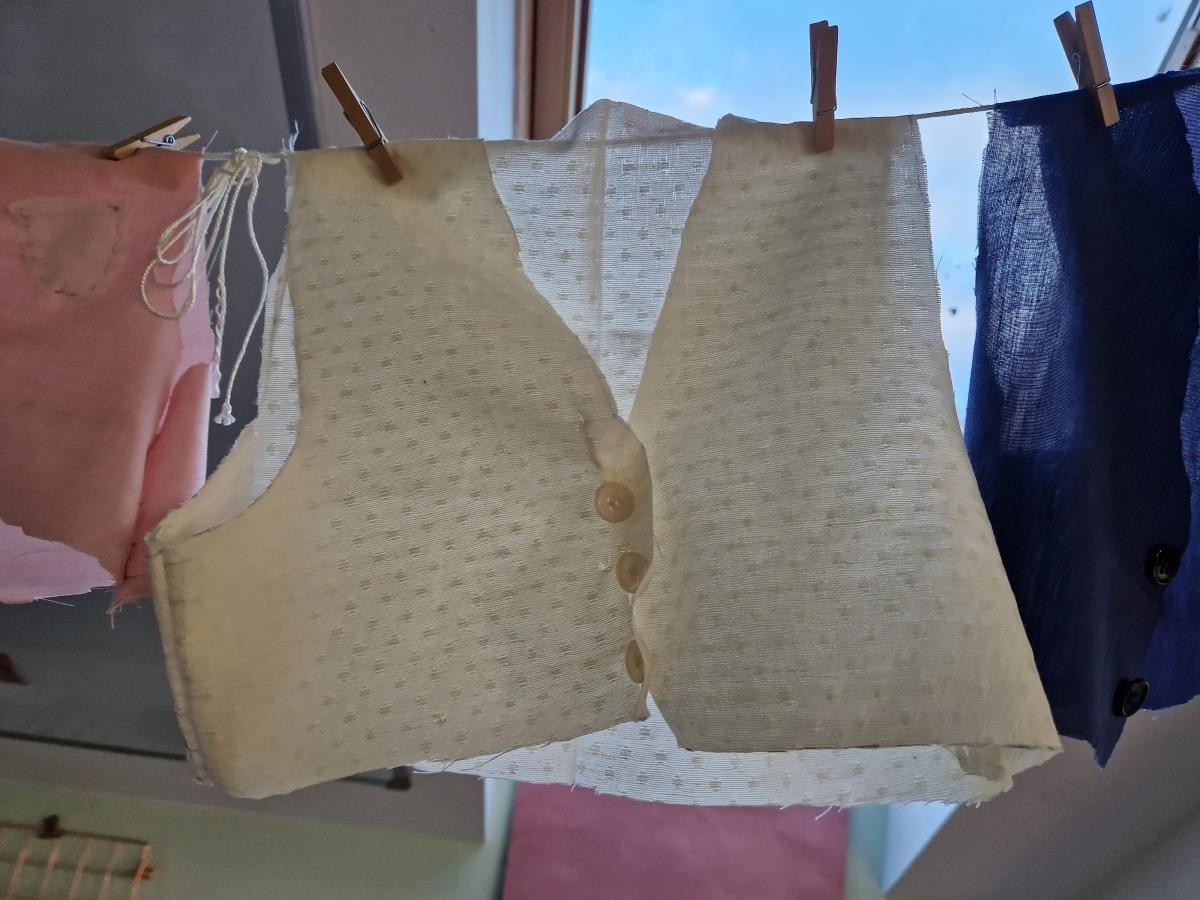
Wonderful Waistcoats from Y6. What incredible sewing and design skills!