History at St Michael’s
Intent
At St Michael’s, our History curriculum inspires pupils to become curious, critical thinkers who develop a secure understanding of local, British and world history. We encourage children to ask questions, analyse historical evidence and understand how and why the past has shaped the world we live in today.
Through studying significant events, individuals and societies, children develop an understanding of chronology, change and continuity, and the diversity of human experiences. They learn to appreciate different perspectives, develop empathy for others and reflect on lessons from the past.
Our curriculum reflects our school vision, “Creating a community where we learn together through: respect, kindness, curiosity and faith.” We encourage children to approach the past with curiosity, respect different experiences and viewpoints, and develop informed opinions based on evidence. Using the Kapow Primary History scheme, aligned with the National Curriculum, we aim to equip pupils with the knowledge and skills to think and work like historians.
Implementation
Our History curriculum follows the Kapow Primary scheme and develops progressively from EYFS to Year 6. Learning combines historical knowledge with the skills historians use to investigate and interpret the past.
In EYFS, children begin to explore history through their own experiences and comparisons between characters and events. In Key Stage 1, they develop an understanding of significant people, events and chronological order. In Key Stage 2, children build on this knowledge, making connections across periods and developing a secure understanding of chronology.
A spiral curriculum ensures that key concepts are revisited and developed over time. These include substantive concepts such as power, invasion, settlement and migration, civilisation, religion, trade, society and culture. Children also develop disciplinary concepts, including cause and consequence, change and continuity, similarity and difference, historical significance, sources of evidence and historical interpretations.
Historical enquiry is central to our teaching. Children investigate questions using a range of sources, learn how historians construct accounts of the past and develop their own evidence-based explanations and judgements. Lessons include varied, engaging and practical activities that help pupils develop their knowledge, analytical skills and understanding of local, British and world history.
Impact
Our History curriculum aims to develop knowledgeable, enquiring learners who can think critically about the past and understand its relevance to the present. Assessment is used throughout each unit to monitor progress, identify gaps in understanding and inform future teaching.
Teachers assess learning through questioning, lesson activities, knowledge catchers, pupil voice and reviews of pupils’ work. Learning walks and book looks provide further evidence of curriculum impact. Pupils reflect on their learning at the end of units, while summative assessment is recorded on OTrack at the end of the summer term.
By the end of Year 6, pupils should be able to:
-
Demonstrate secure knowledge of British and world history, including significant events, individuals, societies and civilisations.
-
Use chronological understanding to place events and periods in context and make connections across time.
-
Explain historical change and continuity, cause and consequence, and similarities and differences.
-
Use historical sources to investigate the past, recognise that interpretations can differ and support their conclusions with evidence.
-
Ask relevant historical questions and construct clear, evidence-based explanations and arguments.
-
Understand key historical concepts, including power, invasion, migration, civilisation, religion, trade and society.
-
Meet the end-of-key-stage expectations of the National Curriculum and feel prepared to study History at Key Stage 3.
Ultimately, we want children to leave St Michael’s with a lasting curiosity about the past, an appreciation of diverse human experiences and the ability to use historical knowledge to understand the world around them.
History at St. Michael's CE Primary School
-
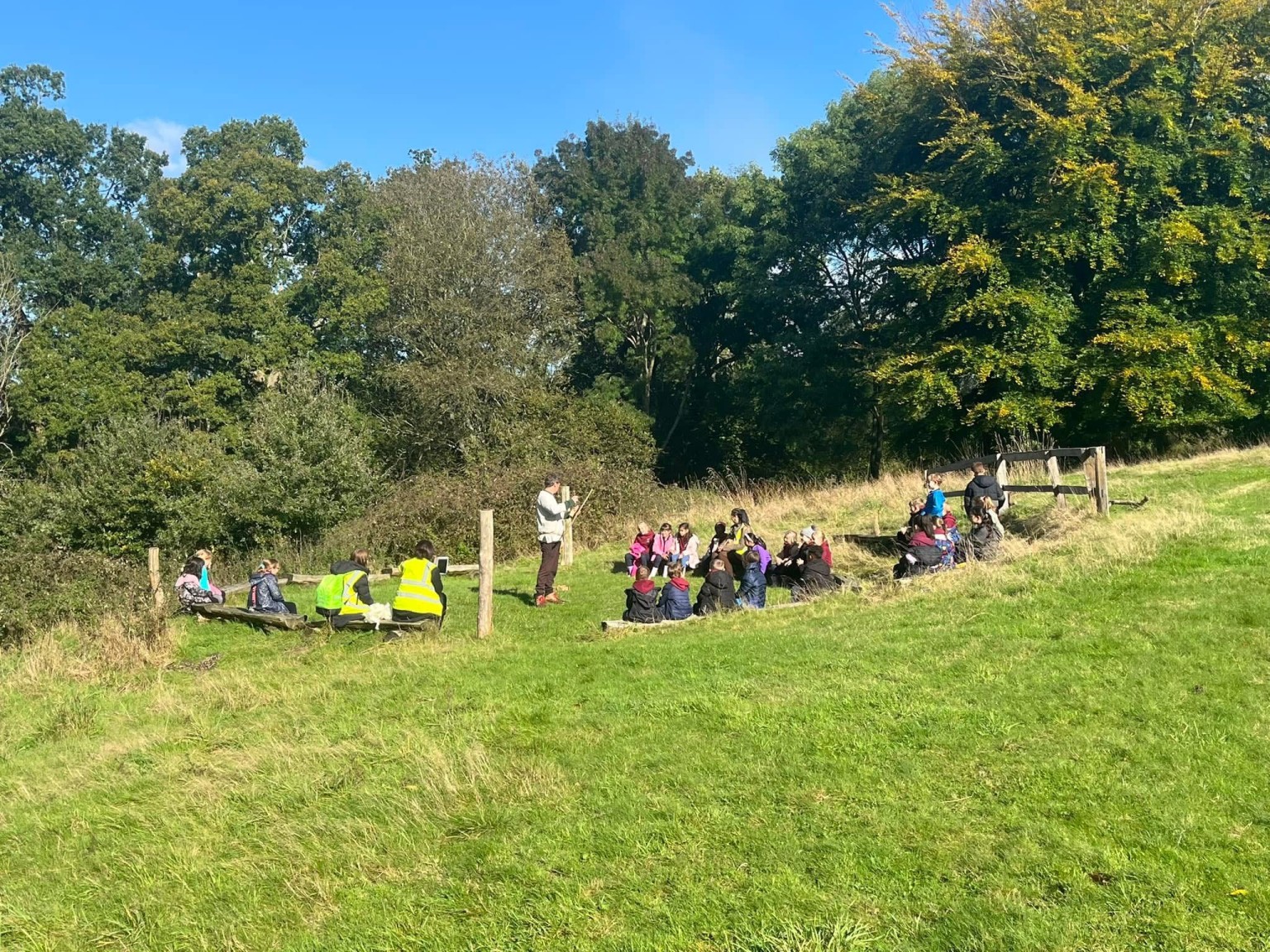
History class trip to Ufton Court for Year 3 and 5
-
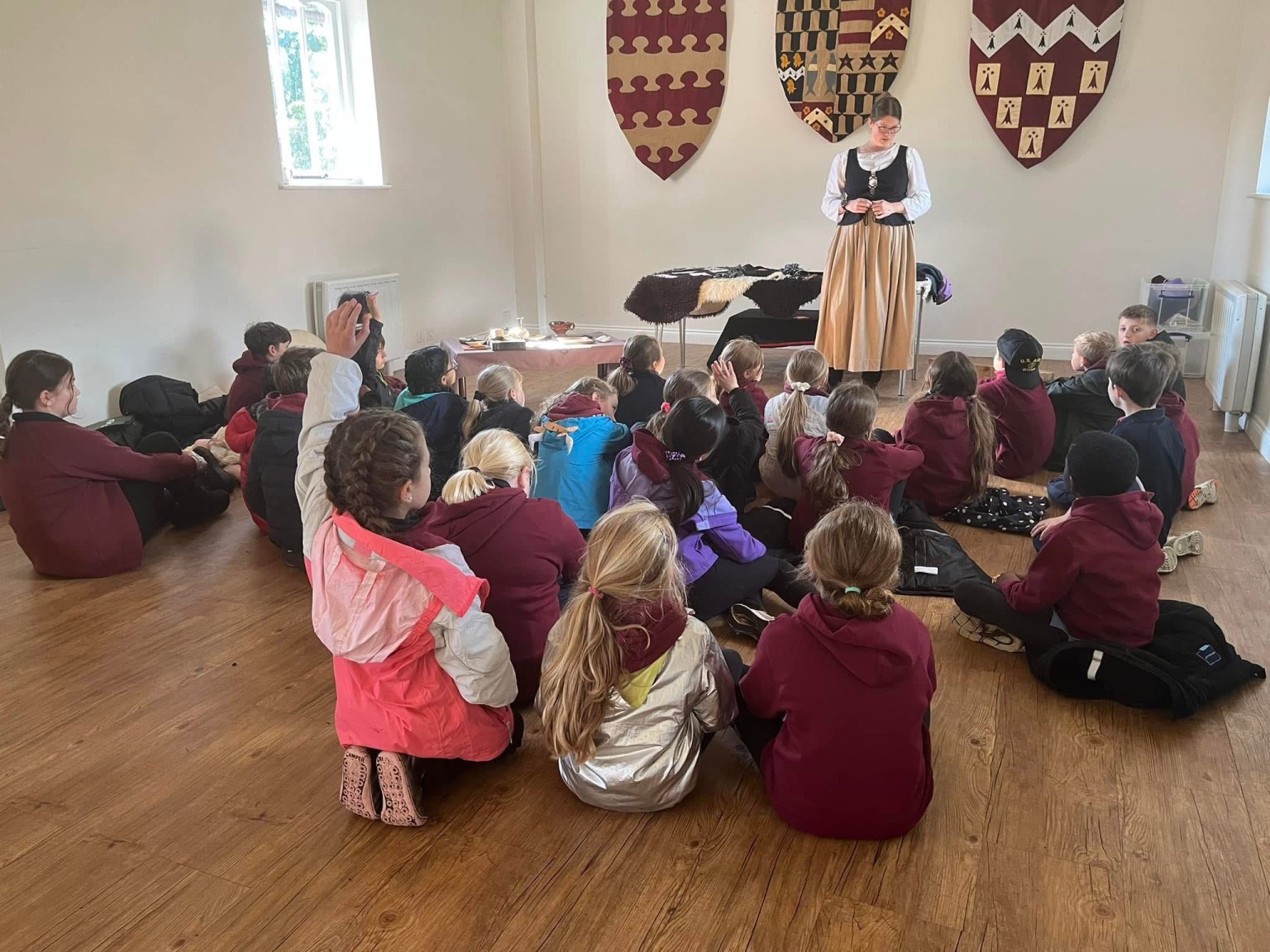
History class trip to Ufton Court for Year 3 and 5
-
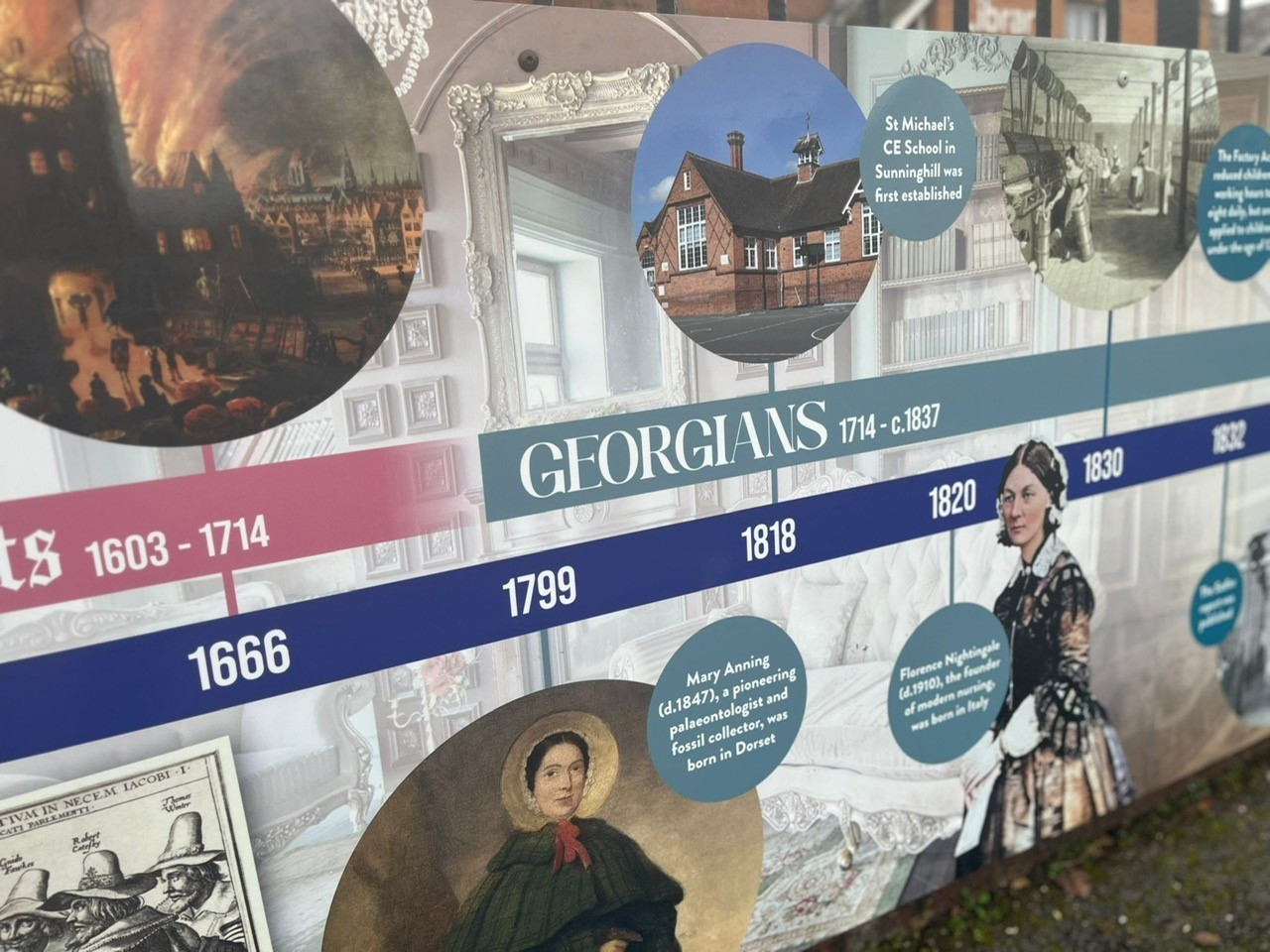
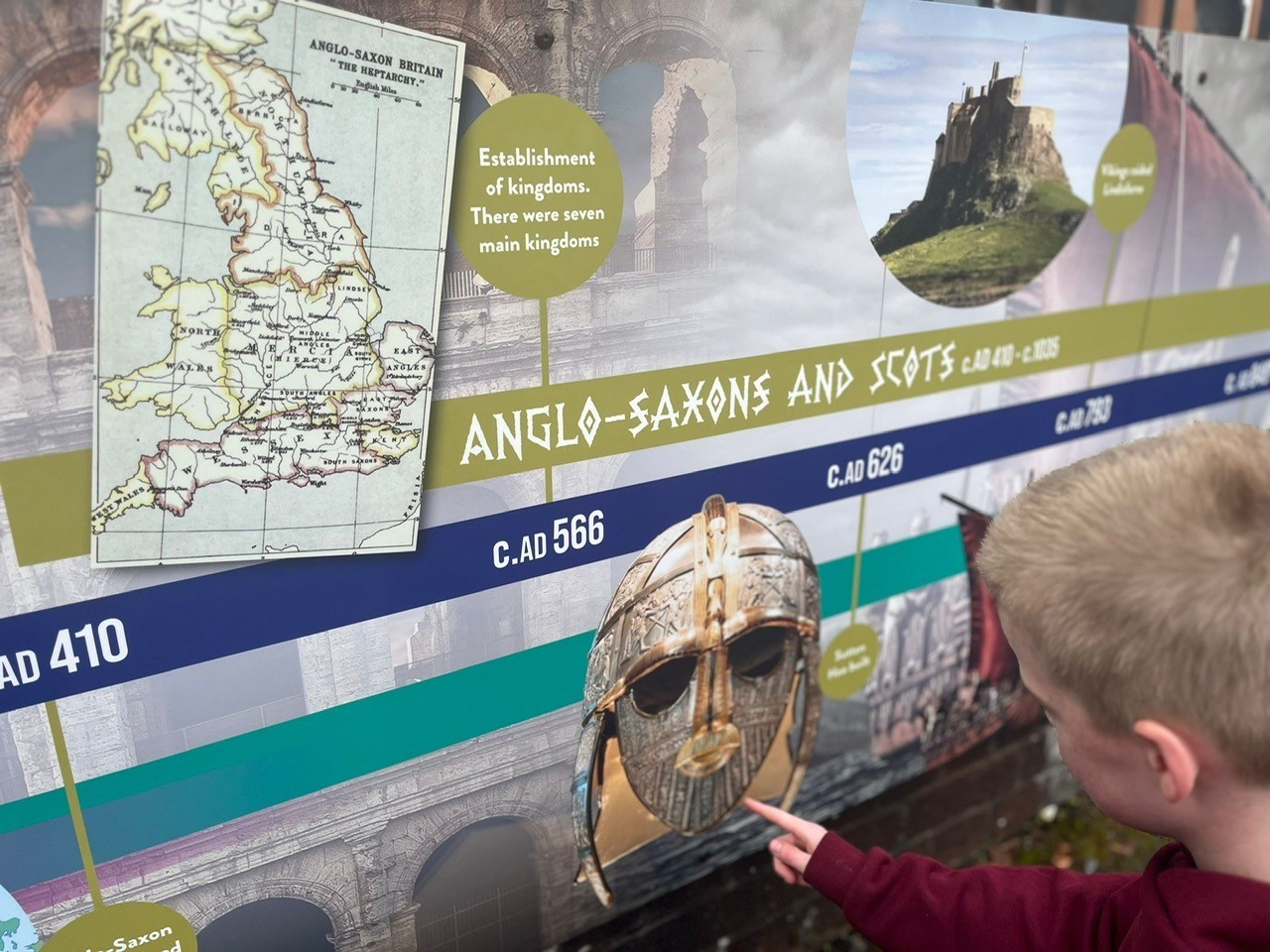
Timeline on the playground
-
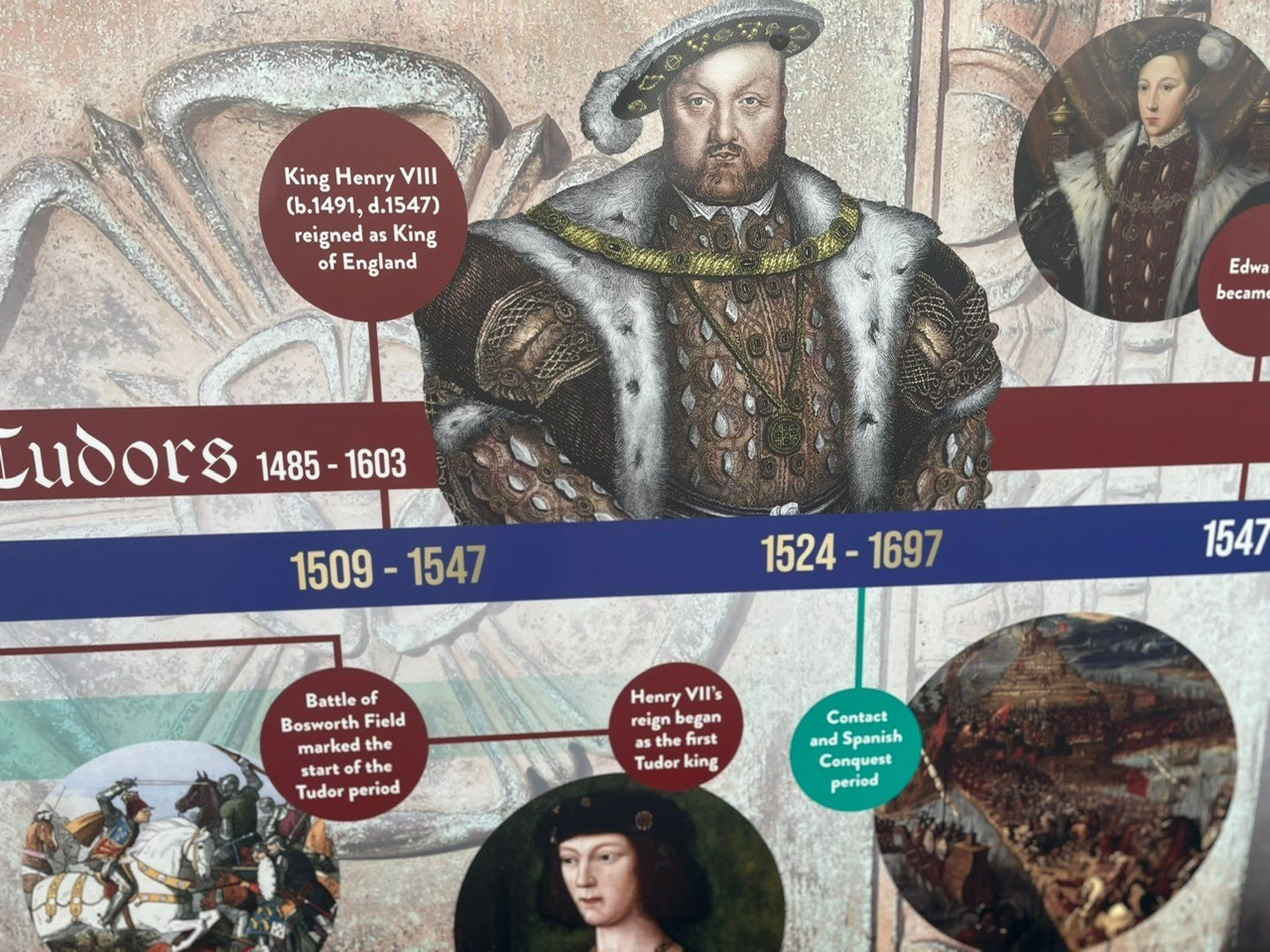
Timeline on the playground
-
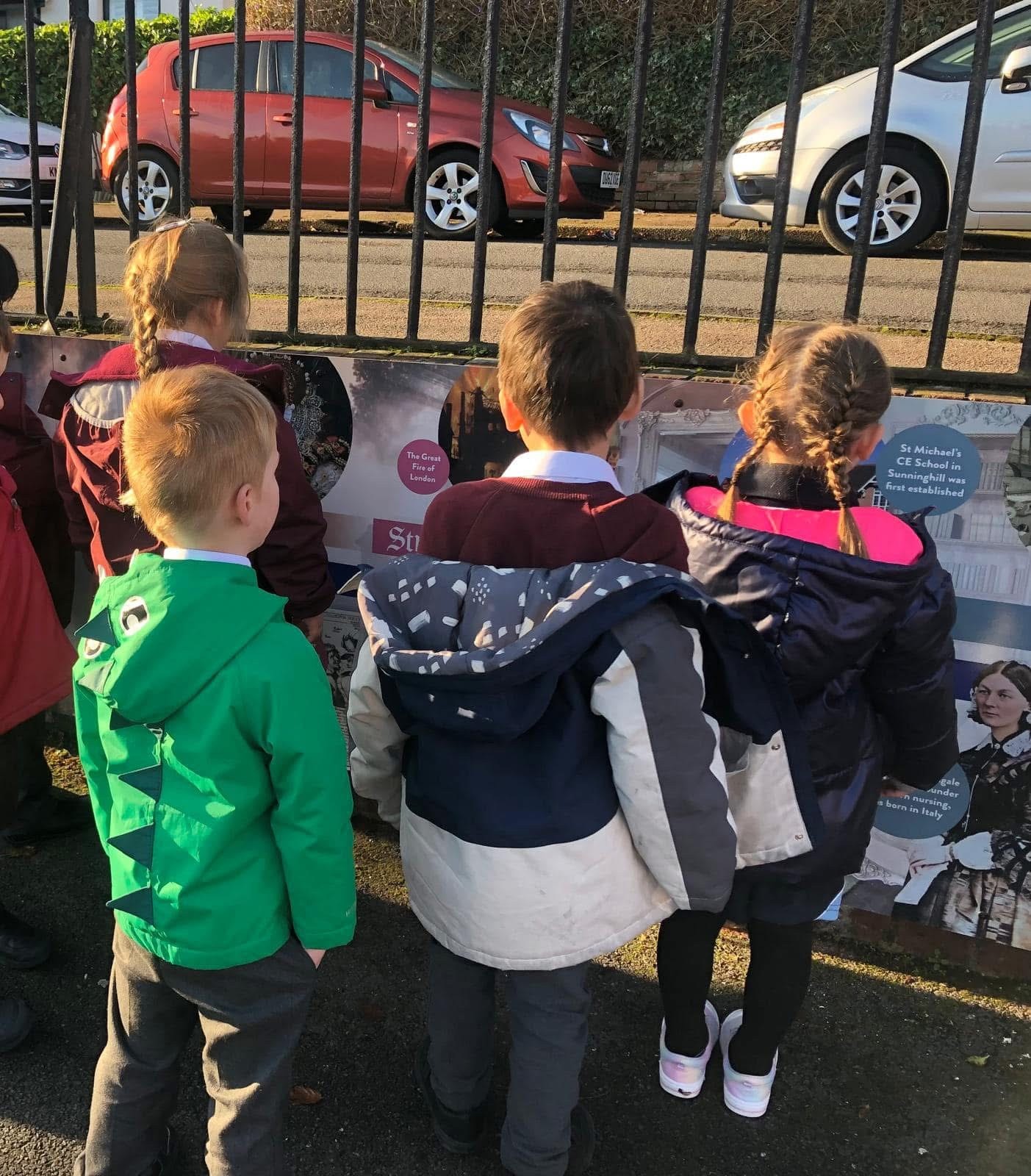
Timeline on the playground
-
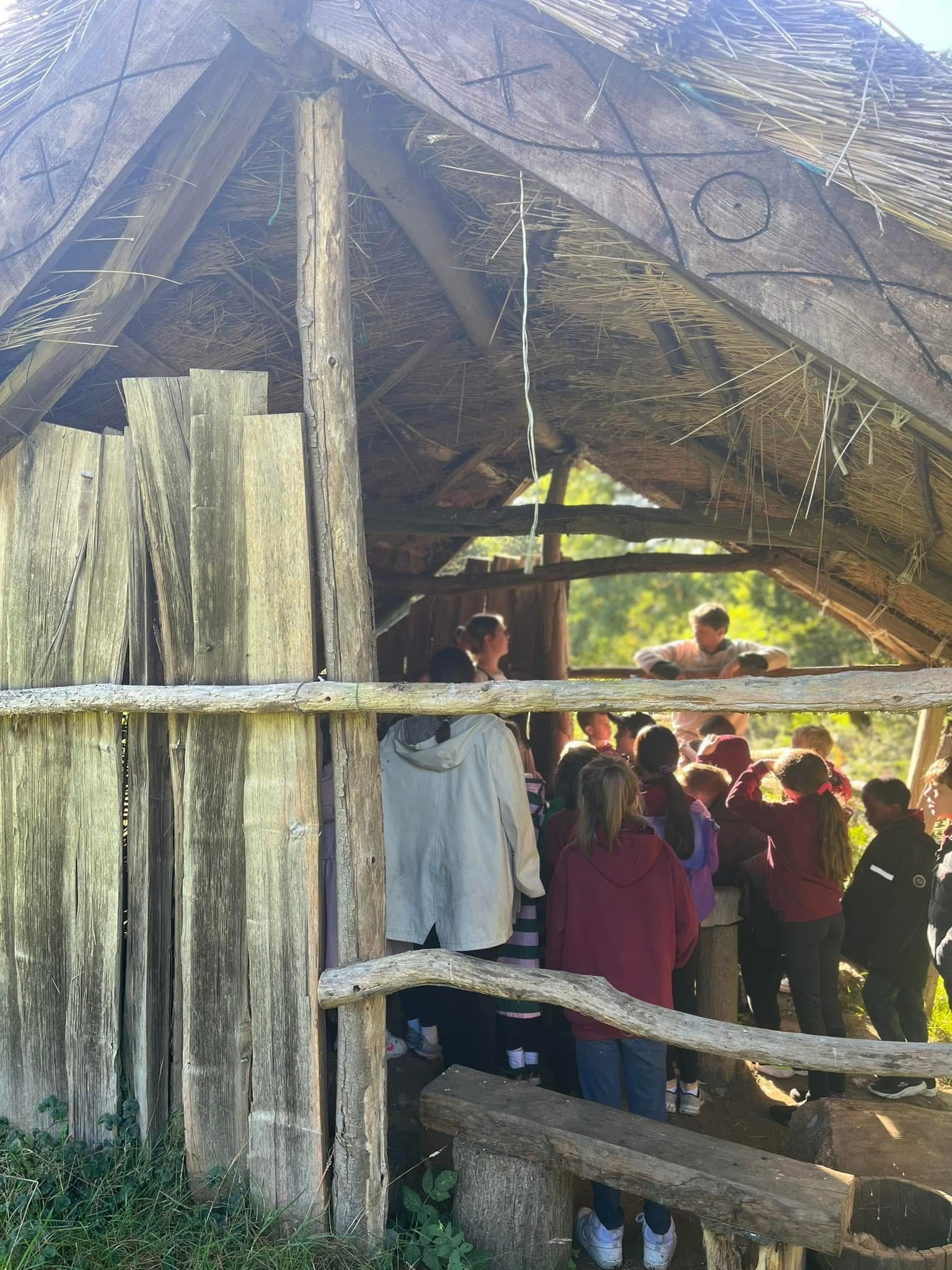
Year 5 and 5 trip to Ufton Court
-