Art and Design at St Michael’s CE Primary School
Intent
At St Michael’s CE Primary School, our vision is to “Create a community where we learn together through respect, kindness, curiosity and faith.” Art and Design makes an important contribution to this vision by encouraging children to explore their creativity, express themselves and develop an appreciation of the world around them.
We want every child to develop a love of Art and Design, feel confident in their creative abilities and be inspired to achieve their full potential. We believe that every child has the capacity to create, imagine and respond to the world in their own unique way. Through our ambitious Art and Design curriculum, pupils develop the knowledge, skills and techniques needed to communicate ideas, explore different materials and produce their own creative work.
Curiosity is at the heart of our approach. Children are encouraged to experiment, ask questions, explore possibilities and take creative risks. They learn about a diverse range of artists, designers and craftspeople, developing an understanding of how art reflects different cultures, experiences, beliefs and perspectives. Through looking at and discussing artwork, pupils learn to respond thoughtfully, express their opinions and appreciate the ideas and achievements of others.
Our values of respect and kindness are reflected in the way children share ideas, respond to one another’s work and celebrate different approaches to creativity. We encourage pupils to value the creative process as much as the finished outcome, recognising that mistakes and experimentation are important parts of learning.
As a church school, we also recognise the opportunities Art and Design provides for wonder, reflection and an appreciation of beauty. Children are encouraged to notice the detail and beauty of the natural world and to consider how art can help us express our feelings, explore ideas and make personal connections with the world around us.
We believe that Art and Design is an essential part of a broad and balanced curriculum, supporting children’s confidence, wellbeing and personal development alongside their academic learning. Our curriculum follows the Kapow Primary scheme, with carefully sequenced learning that builds progressively from the Early Years Foundation Stage through to Year 6.
Implementation
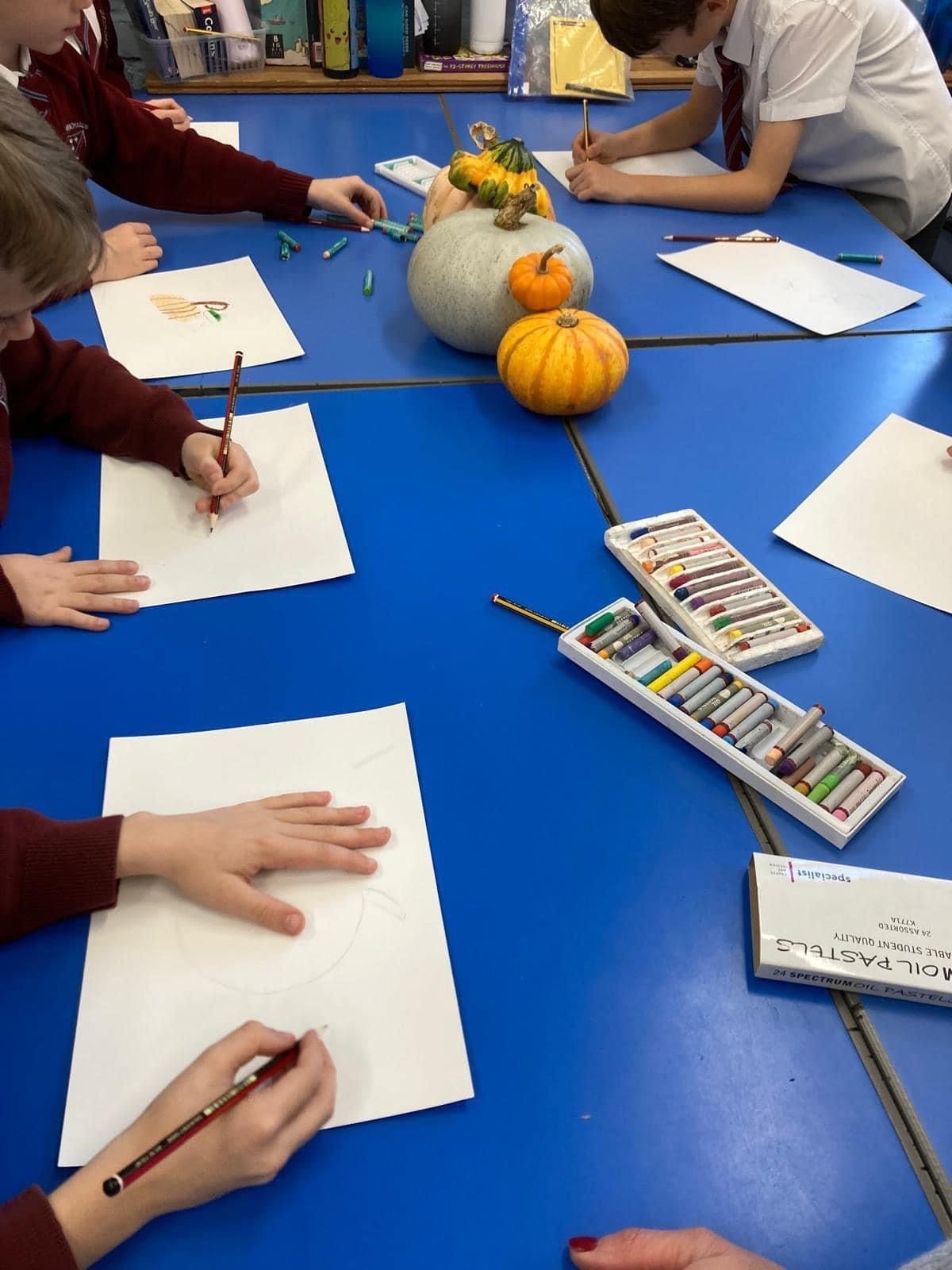
Art and Design is taught through a progressive curriculum that enables pupils to develop and revisit their knowledge, skills and techniques as they move through the school. In the Early Years Foundation Stage, creativity is encouraged through Expressive Arts and Design, with opportunities for children to explore materials, experiment with different media and develop their ideas through child-initiated and adult-supported experiences.
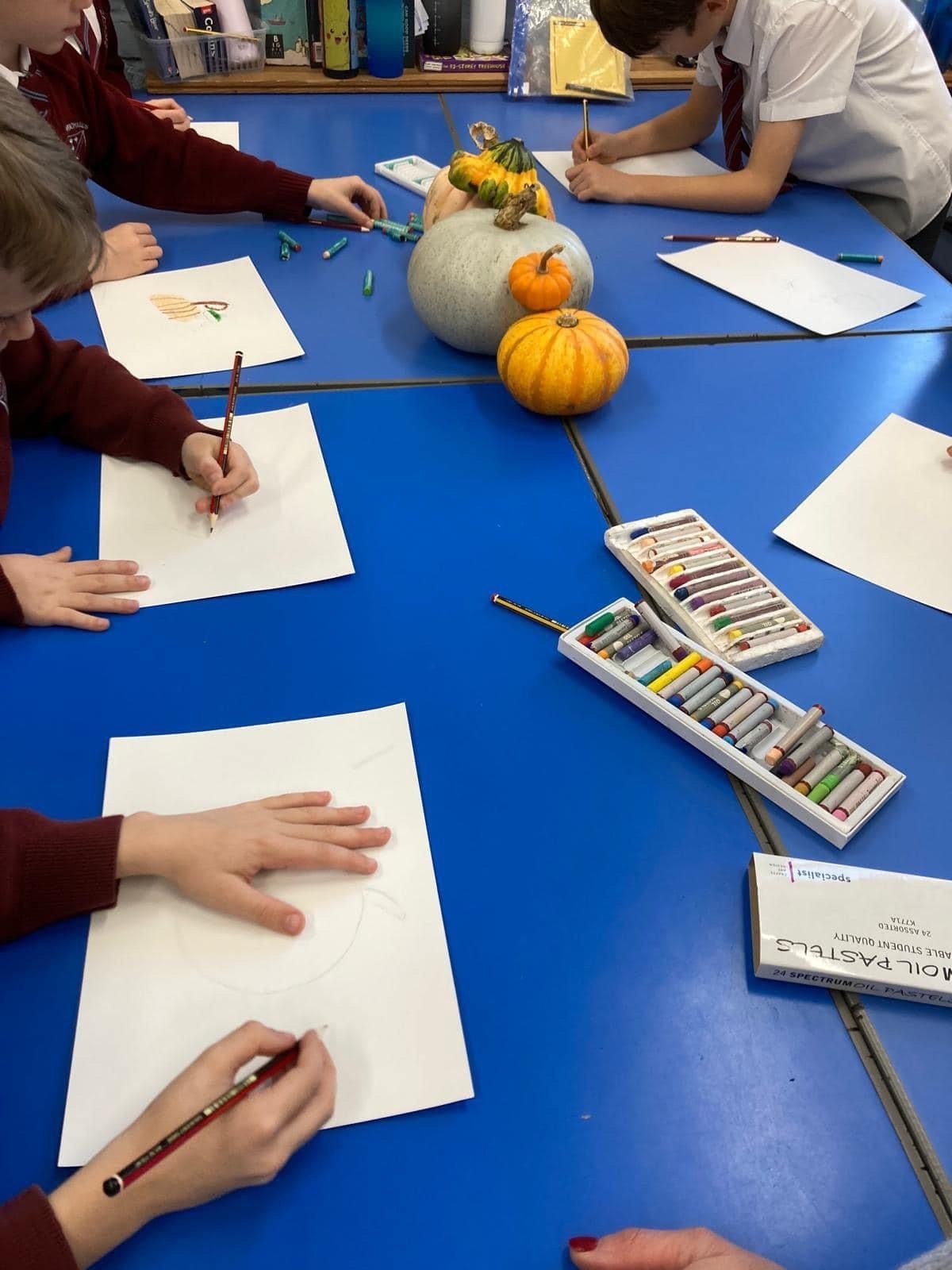
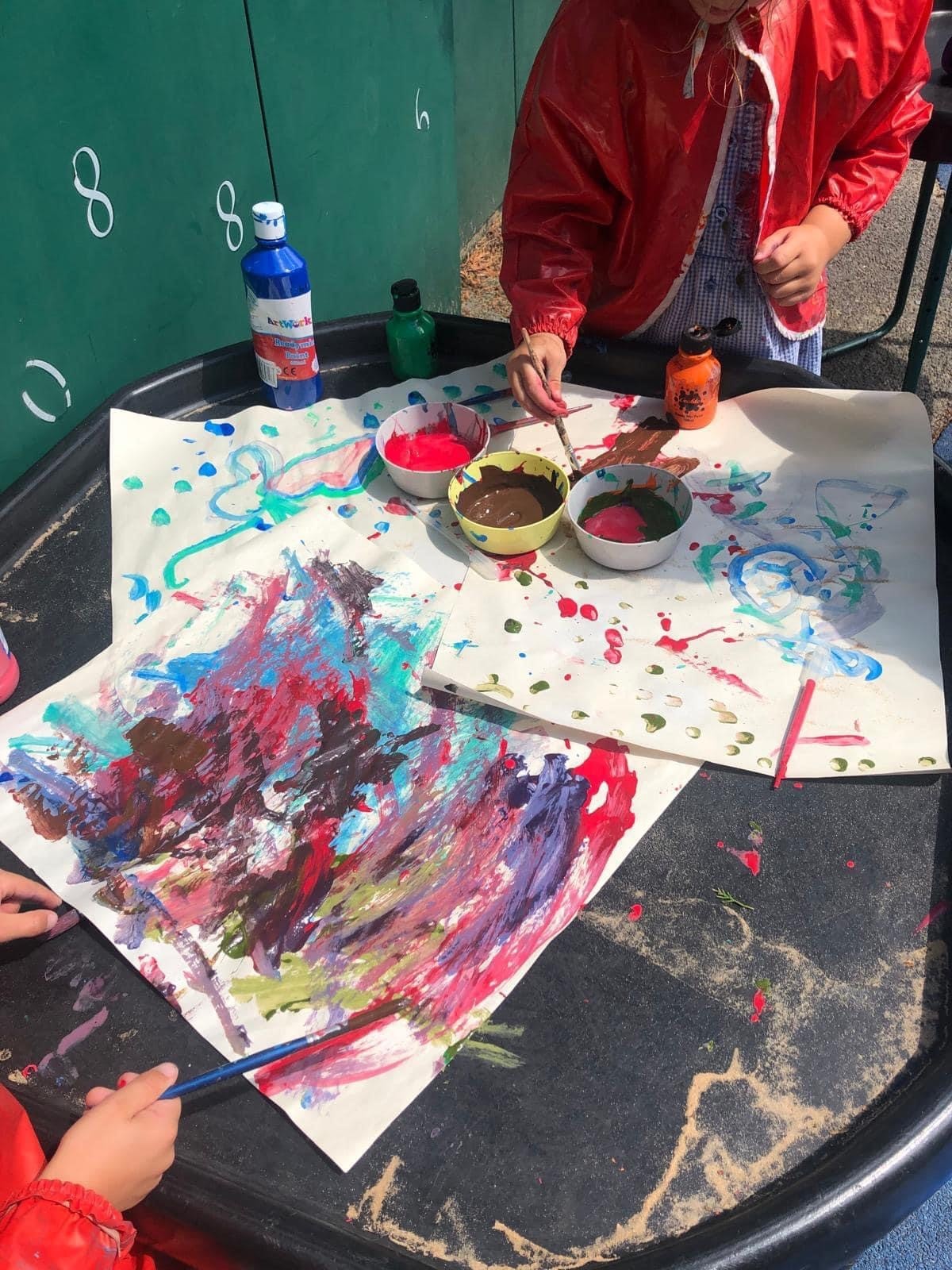
Throughout Key Stages 1 and 2, pupils explore a wide range of artistic processes and materials, including drawing, painting, printing, collage, textiles, sculpture, three-dimensional work and digital art. Skills are revisited with increasing complexity, enabling children to build on prior learning, develop confidence and apply their knowledge in increasingly independent ways.
Our curriculum is structured around five key strands:
-
Generating ideas
-
Using sketchbooks
-
Making skills, including the formal elements of line, shape, tone, texture, pattern and colour
-
Knowledge of artists
-
Evaluating and analysing
These strands are developed through units covering drawing, painting and mixed media, sculpture and three-dimensional work, and craft and design. Lessons are sequenced to help pupils develop technical skills, understand artistic processes and apply their learning to their own creative outcomes.
Children study a diverse range of artists and craftspeople, exploring their work, influences and techniques. They are encouraged to ask questions, make comparisons, discuss their interpretations and recognise that art can communicate different ideas and experiences. Through these opportunities, pupils develop curiosity, broaden their cultural understanding and learn to respect different perspectives.
Sketchbooks provide a valuable space for pupils to record observations, generate ideas, experiment with techniques and reflect on their progress. Children are encouraged to take creative risks, learn from experimentation and make thoughtful decisions about how to develop their work.
Discussion and evaluation are important parts of our teaching. Pupils learn to use appropriate artistic vocabulary to describe, analyse and evaluate their own work and that of others. They are taught to offer constructive feedback, listen respectfully to different opinions and recognise that there can be many successful approaches to a creative challenge.
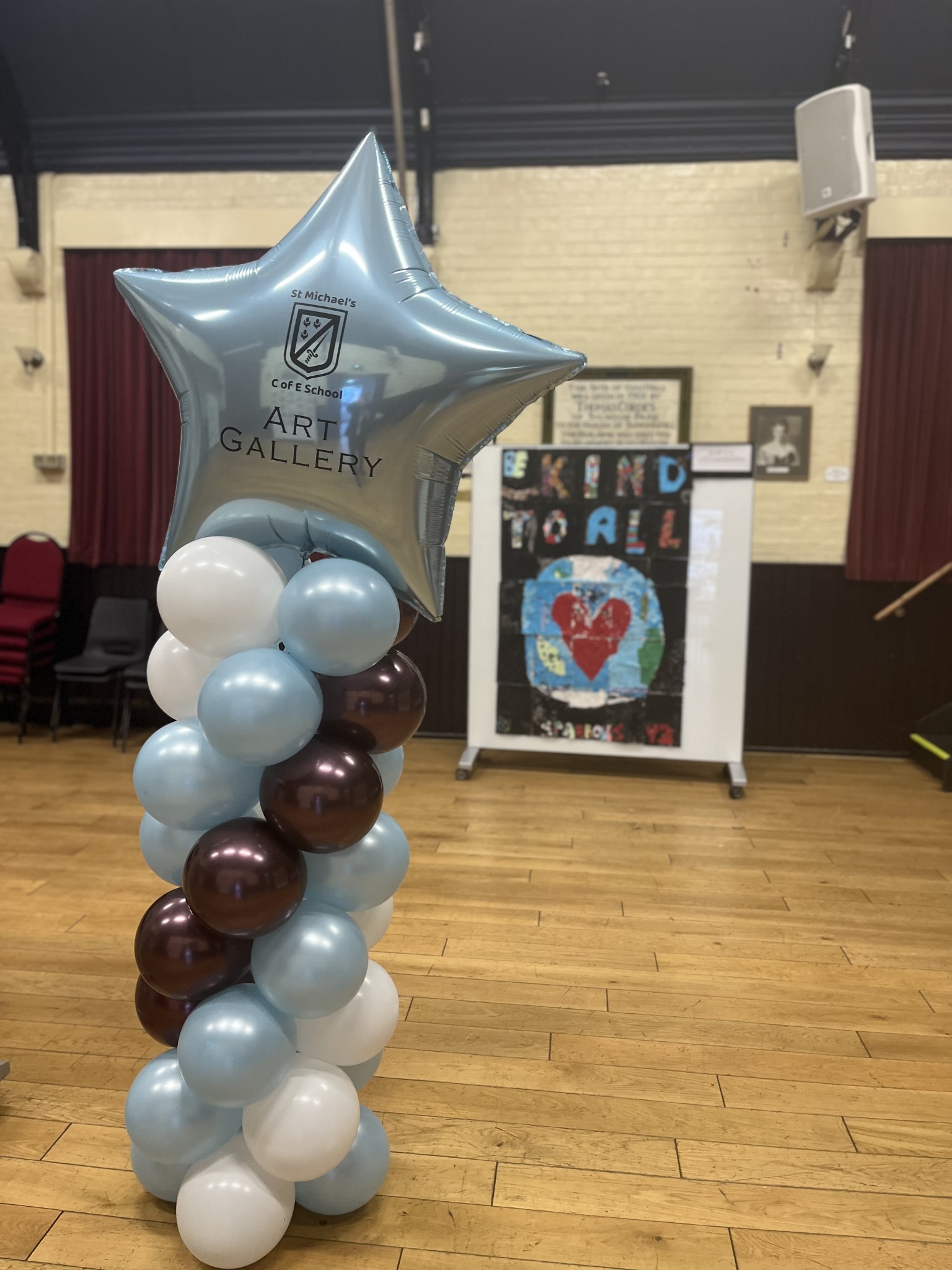
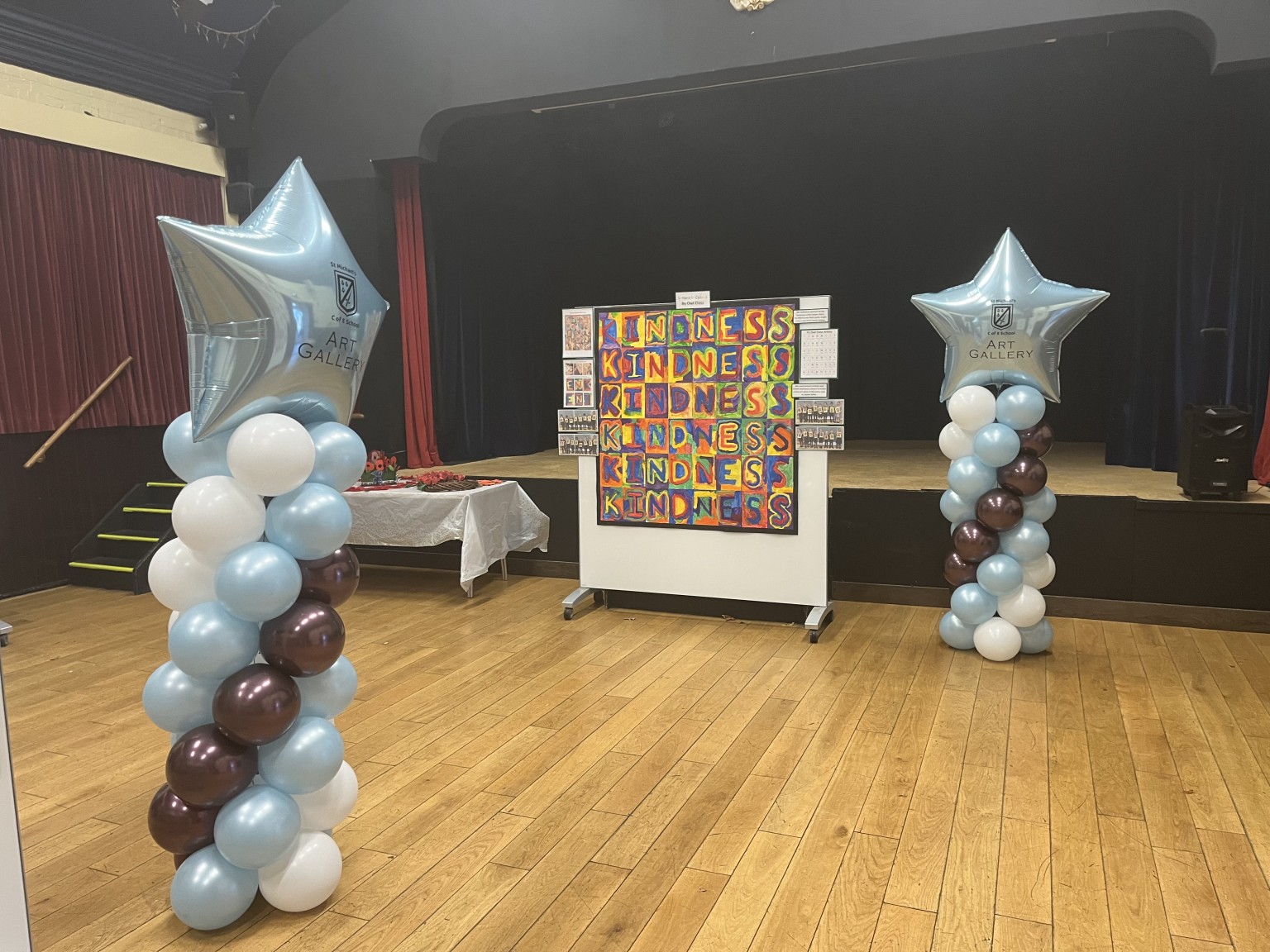
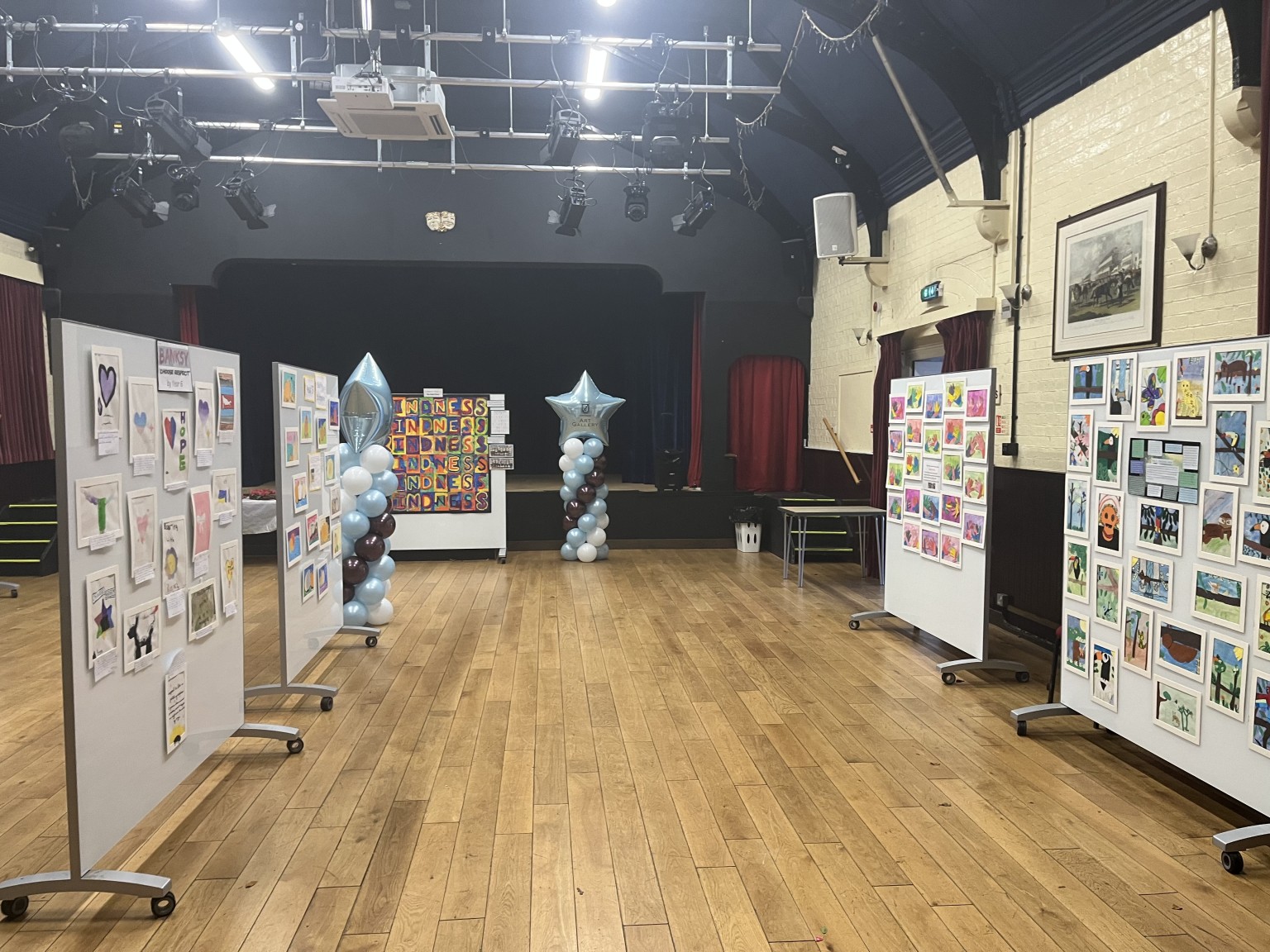
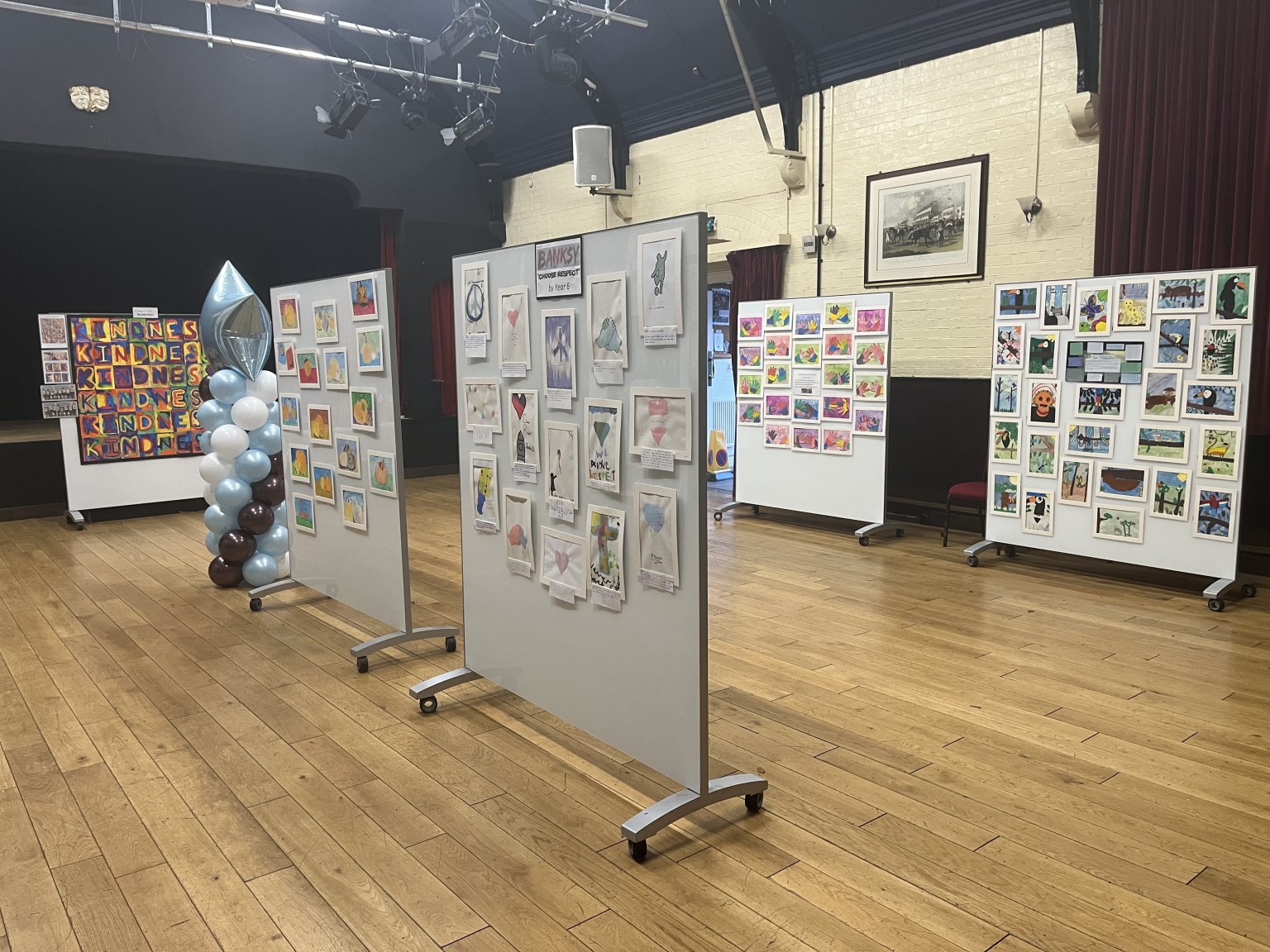
We celebrate pupils’ work through displays and opportunities to share their achievements across the school and with the wider community. In doing so, we aim to develop pride, confidence and a sense of belonging, ensuring that every child’s creativity is valued.
Impact
By the end of their time at St Michael’s, we want pupils to have developed a secure foundation of artistic knowledge and skills, alongside a lasting appreciation of creativity and the role art plays in our lives.
Pupils will be able to:
-
Use a range of artistic materials, techniques and processes with increasing confidence, skill and independence.
-
Apply their understanding of the formal elements of art to create purposeful and imaginative work.
-
Generate, develop and communicate their ideas through observation, experimentation and the use of sketchbooks.
-
Demonstrate knowledge of a diverse range of artists, designers and craftspeople, discussing their work and recognising different influences and perspectives.
-
Evaluate and analyse artwork using appropriate artistic vocabulary, responding thoughtfully and respectfully to the ideas of others.
-
Show curiosity, resilience and a willingness to experiment, take creative risks and learn from mistakes.
-
Appreciate the beauty and diversity of the world around them and recognise how art can be used to express ideas, feelings and experiences.
-
Take pride in their achievements, respect the creativity of others and contribute positively to our school community.
We want our pupils to leave St Michael’s understanding that success in Art and Design is not simply about producing a finished piece of work. It is also about the ideas explored, the skills developed, the questions asked and the confidence gained along the way.
Ultimately, we want every child to feel that their creativity has value, that their ideas deserve to be expressed and that they can flourish as curious, confident and thoughtful young artists.
Assessment
The impact of our Art and Design curriculum is assessed through a range of approaches, including:
-
Assessing pupils’ understanding and use of subject-specific vocabulary before, during and after each unit.
-
Observing pupils’ practical skills, experimentation and application of techniques.
-
Reviewing sketchbooks and completed work to monitor progression in knowledge, skills and creative decision-making.
-
Using discussions and pupil voice to explore pupils’ understanding, confidence and ability to explain their artistic choices.
-
Evaluating pupils’ ability to analyse artwork and respond constructively to their own work and that of others.
-
Celebrating pupils’ work through displays and opportunities to share their learning with the wider school community.
These approaches help us evaluate the effectiveness of our curriculum, identify next steps in learning and ensure that all pupils are supported and challenged to develop as artists.
Art & Design at St. Michael's CE Primary School
-
Bi-annual art gallery
-
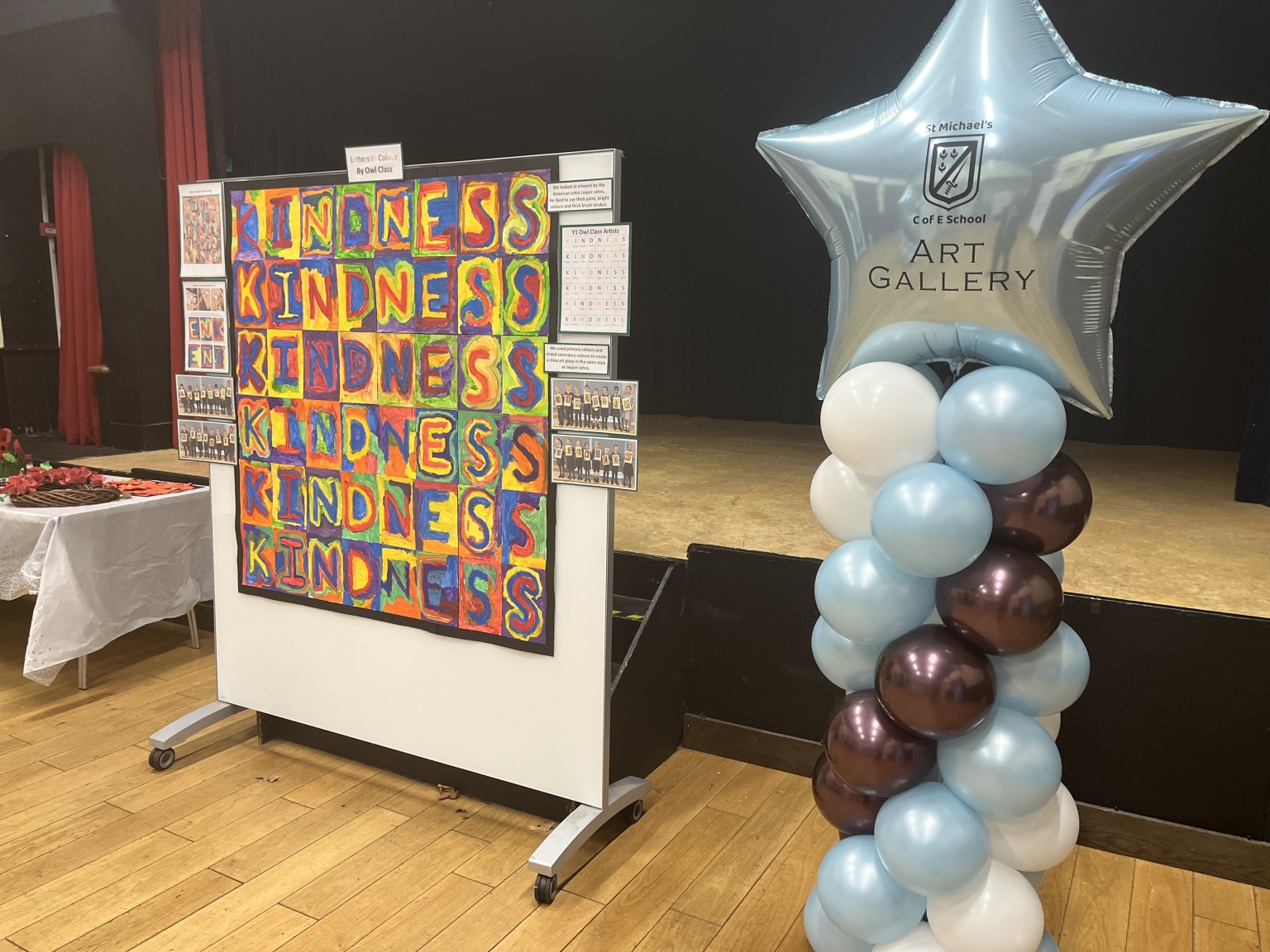
Bi-annual art gallery
-
Bi-annual art gallery
-
Bi-annual art gallery
-
Bi-annual art gallery
-
Bi-annual art gallery
-
-
-
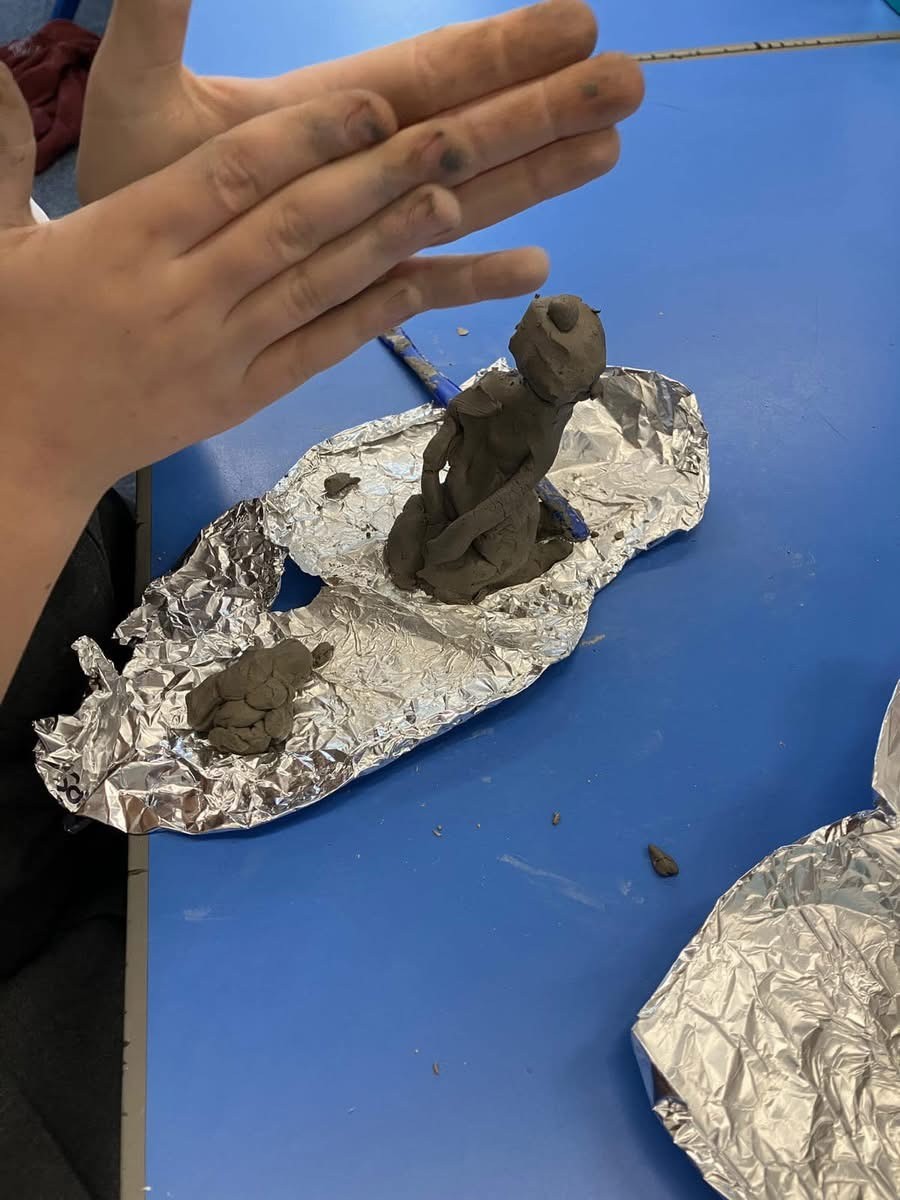
Year 3 sculpture
-
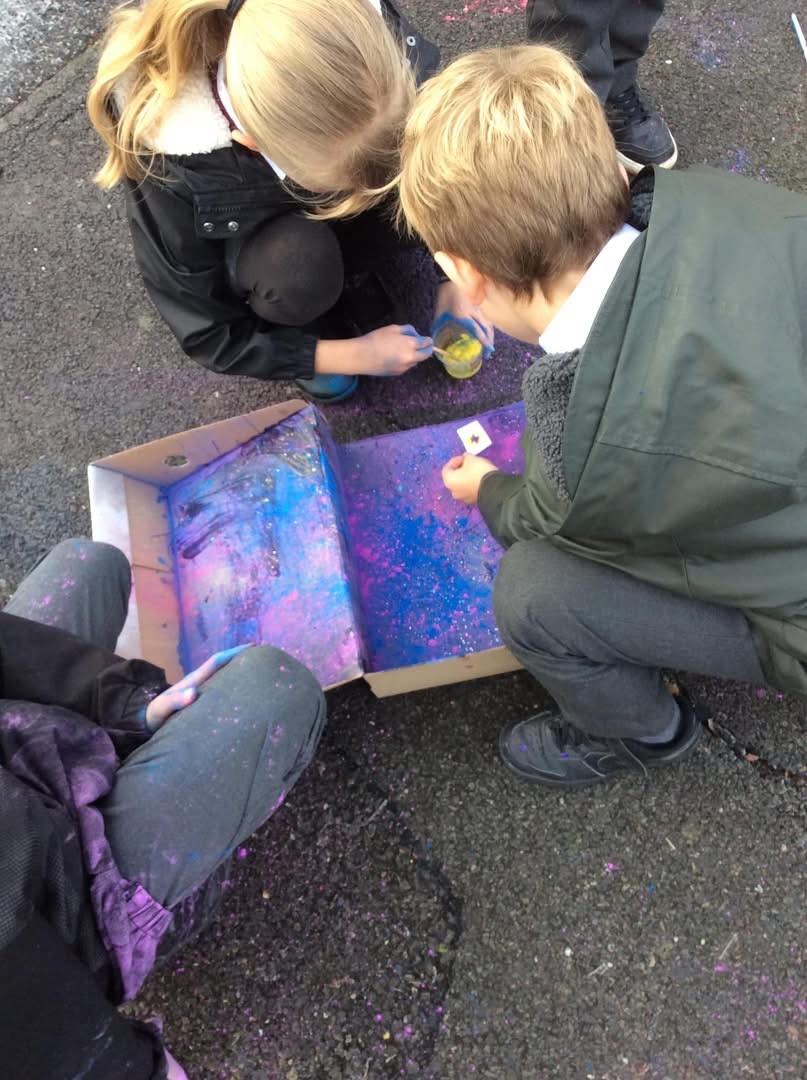
Year 5 installation art